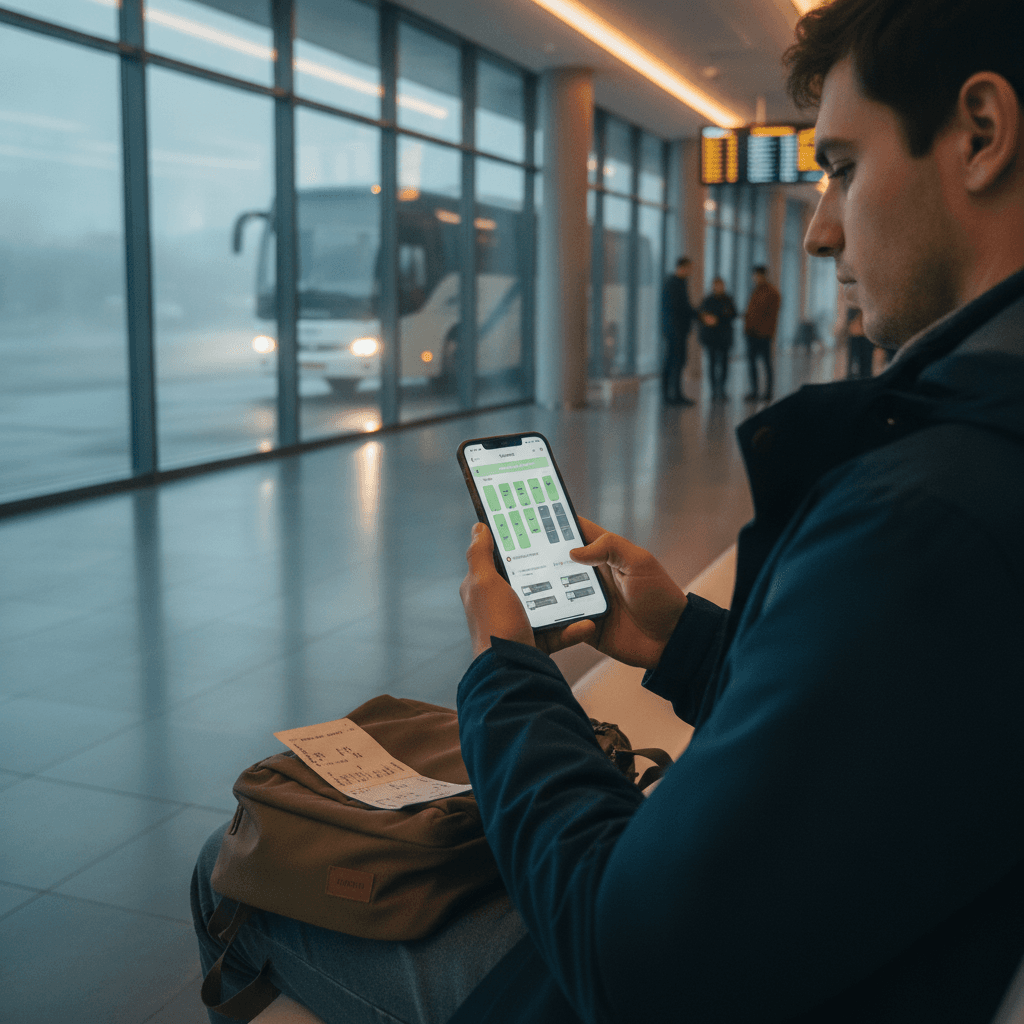

Honestly, if someone asked me which bus booking platform to use, my first question back would be — what matters more to you, price or reliability? Because that's usually where the trade-off is. Most bus booking platforms look pretty similar on the surface — same routes, similar fares, clean enough interfaces — but the differences show up the moment something goes wrong. A payment fails. A bus gets cancelled. You need a refund. That's when real user reviews stop being just star ratings and start telling you something actually useful.
So let's talk about what people are actually saying about these platforms, and more importantly, what you should be looking for before you trust one with your travel plans.
What Real Users Are Actually Complaining About
Scroll through any honest review thread — Reddit, Google Play, app store comments — and a few patterns come up constantly. Payment failures rank near the top. Money gets debited, ticket doesn't come through, and suddenly you're stuck chasing customer support. This is probably the most common frustration users mention, and it happens across platforms, not just one or two.
The second big one is last-minute cancellations — either by the operator or the platform — with refunds that take anywhere from 5 to 15 business days. That's genuinely annoying when you've already planned around a departure. And then there's seat allocation. You book a window seat, end up in the middle aisle. The platform says it's the operator's call. The operator says it's the platform. Classic.
None of this means you should avoid booking online — it's still way more convenient than queuing at a counter. But going in with realistic expectations helps. Check the popular bus routes for your journey first, and see if multiple operators serve that corridor. More competition usually means better accountability.
How to Actually Read Platform Ratings (Without Being Fooled)
Here's the thing about star ratings: a 4.2 on the app store might mean nothing if 80% of the reviews are one-liners saying