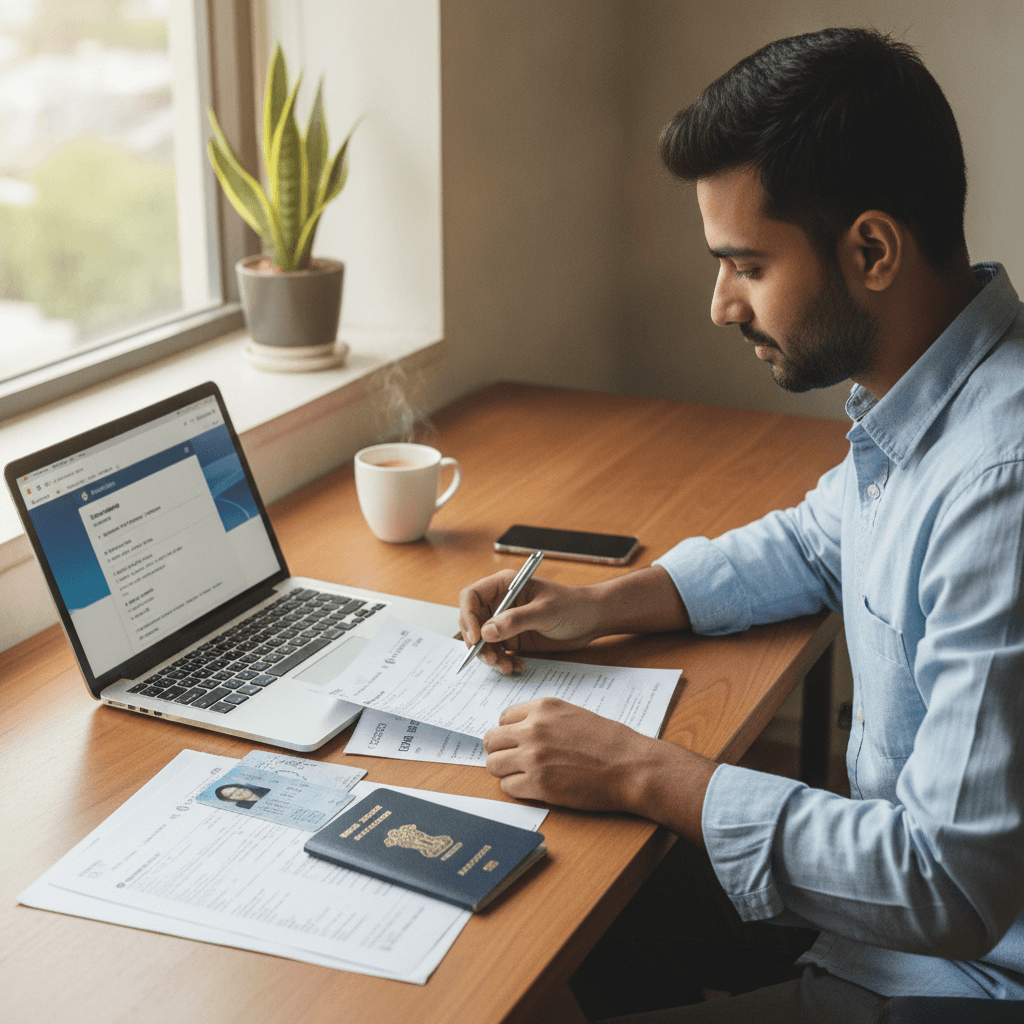

Short answer: for domestic flights, you just need a valid government-issued photo ID. For international flights, your passport is non-negotiable — and depending on where you're going, a visa too. That's the core of it. But let me walk you through the details because there are a few things that trip people up, especially first-time flyers or anyone booking for someone else.
When you're doing a flight booking, the platform typically asks for passenger details at checkout — full name, age, gender, and an ID number. You don't always need to upload a scan of your documents at this stage. But you will need the physical ID at the airport, so whatever you enter during booking has to match exactly what's printed on your ID. That mismatch is one of the most common reasons people get stuck at check-in.
For Domestic Flights: What Actually Works at the Airport
India's domestic airline rules are fairly flexible about which ID you show at the airport. The BCAS (Bureau of Civil Aviation Security) has an approved list, and it's pretty broad. Here's what's generally accepted:
- Aadhaar card (physical or mAadhaar app)
- PAN card
- Voter ID
- Driving license
- Passport
- Employee ID issued by central or state government
- Student ID (for children, usually)
Practically speaking, most people just carry their Aadhaar or PAN. That's fine. The one thing I'd flag: the name on your ticket must match the name on your ID exactly. If your Aadhaar says "Rahul Kumar Sharma" and you booked as "R. K. Sharma", that could be a problem depending on how strict the airline staff is that day. Better to just book with your full name.
For kids under 2 travelling as infants (on a parent's lap), you'll need their birth certificate at the airport. For children between 2 and 12, most airlines want some age proof — again, birth certificate works, or their school ID.
For International Flights: This Is Where It Gets More Involved
Your passport is the foundation for any international trip. It needs to be valid — and not just technically valid. Most countries require your passport to have at least 6 months of validity beyond your travel date. So if your passport expires in 4 months, renew it before you book anything. Seriously, don't assume you'll be fine.
Beyond the passport, here's what you'll likely need depending on your destination:
- Visa — either a sticker visa in your passport, an e-Visa, or a visa-on-arrival approval. This depends entirely on where you're going. Countries like Thailand and Sri Lanka offer visa on arrival or e-Visa for Indians; places like the UK and USA require you to apply in advance.
- Return ticket or onward travel proof — immigration officers in many countries want to see that you're not planning to overstay. Having your return booking confirmation helps.
- Hotel booking confirmation — especially for Schengen countries, the US, and several Southeast Asian destinations, you'll often need to show where you're staying. If you're exploring hotels abroad, keep that confirmation email handy.
- Travel insurance — not always mandatory, but Schengen countries legally require it with a minimum coverage of €30,000. Even where it's optional, I'd strongly recommend getting travel insurance before any international trip.
When you're actually filling out your booking form for an international flight, you'll also be asked for your passport number, date of issue, expiry date, and country of issue. Have your passport open in front of you when you're doing this — it speeds things up and prevents typos.
Booking for Someone Else? Here's What You Need
This comes up a lot — booking tickets for parents, for kids, or for a group. The process is straightforward, but you'll need their ID details, not yours. So before you sit down to complete a plane tickets booking, collect the following from each passenger:
- Full name (exactly as on their ID)
- Date of birth
- Gender
- ID type and number (for domestic) or passport details (for international)
- Contact number and email (usually yours is fine, since you're managing the booking)
For senior citizens flying domestically, the same ID rules apply — Aadhaar works perfectly. Some airlines offer discounted fares for seniors, so it's worth checking that box during booking if the option shows up.
At the Airport: Don't Forget These
Once you've booked, you'll get a confirmation email with your PNR (Passenger Name Record) or booking reference. Print it out or screenshot it — not all airports have great connectivity if you're trying to pull it up at the last minute. Web check-in usually opens 48 hours before departure and closes a couple of hours before the flight, so do that early if you want to pick your seats without paying extra.
At the security checkpoint, you'll need to show your boarding pass and your photo ID. That's it for domestic. For international departures, it's your boarding pass, passport, and visa (if it's a physical sticker). Some countries now have e-Gates with biometric scanning, so the process is faster — but your documents still need to be in order.
One thing people miss: if you've booked a holiday package that includes flights, your package confirmation might serve as your booking reference. Check what format the confirmation comes in and whether it includes individual PNRs for each flight segment.
A Few Other Things Worth Knowing
If you're flying out of India and have a connecting flight, you may need to clear immigration and re-check your bags at the transit point. For some routes, you'll need a transit visa even if you're not technically entering the country — this applies to Indian passport holders transiting through the UK, for instance. Worth checking before you book a layover-heavy itinerary.
And honestly, the documentation side of flight booking is pretty manageable once you've done it once. The bigger headaches — finding good fares, figuring out baggage rules, sorting out accommodation — those take more effort. If you're still planning the trip, browsing travel ideas might help you figure out the full picture before you commit to dates. And once you're sorted on flights, don't leave the hotel search too late — decent options tend to fill up fast, especially during school holidays and long weekends.
Bottom line: domestic flight booking in India needs almost nothing beyond basic ID details. International bookings need more prep — passport, visa, insurance, and hotel confirmation at minimum. Get those sorted before you start filling out the booking form, and the actual booking process will take you under ten minutes.