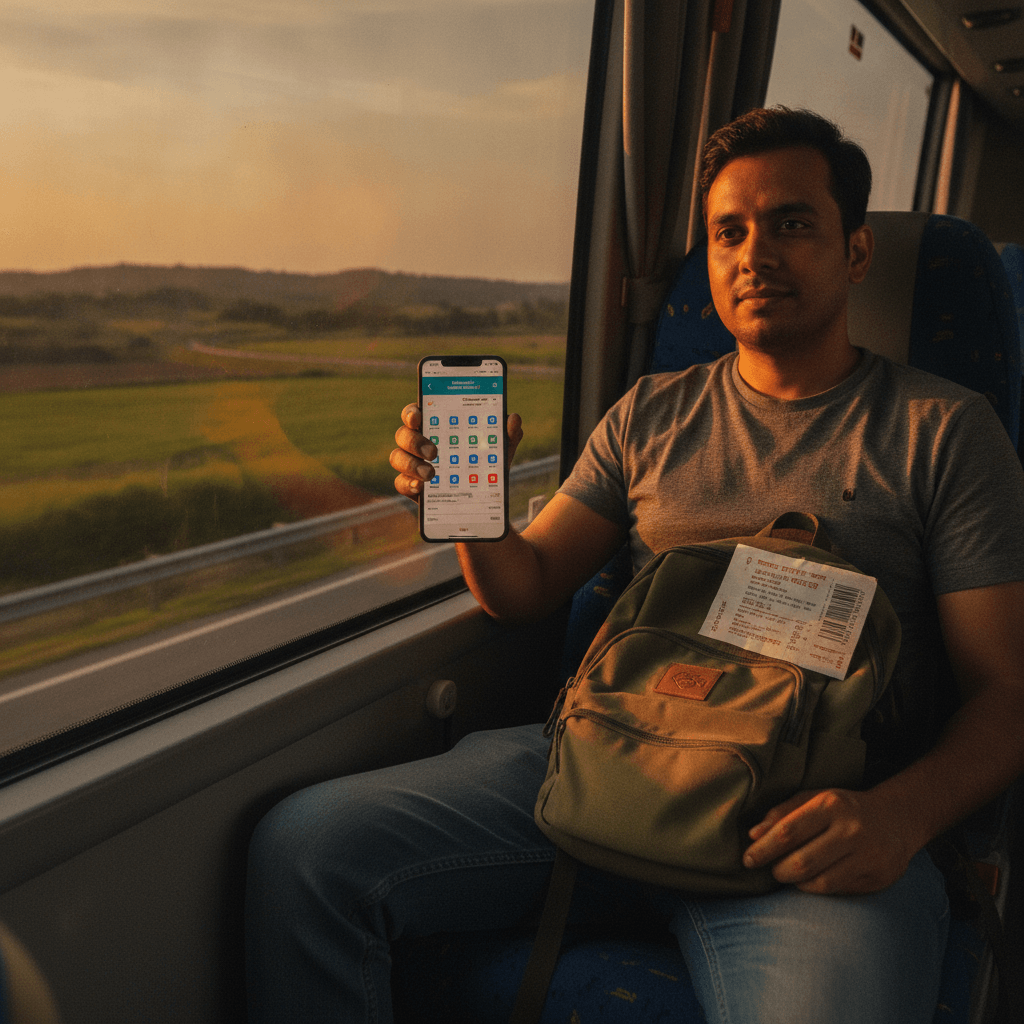

Honestly, booking a bus in India used to be a nightmare — standing in queues, hoping a seat was available, dealing with agents who'd charge you extra just for the privilege. These days though, bus booking has gotten genuinely good. A few solid apps have changed how most people travel by road, and once you know which ones actually work, you'll never go back to booking at a counter. So here's the real breakdown — no fluff, just what's worth your time.
The short answer: redBus is still the most popular, but it's not always the best choice depending on where you're headed. AbhiBus, MakeMyTrip's bus section, and even some state transport portals have their own strengths. And if you're mixing bus travel with longer trips, booking through a platform that bundles everything together — like checking holiday packages that include surface transport — can save you serious coordination headache. But let's go app by app.
redBus — The One Everyone Knows
redBus is the name that comes up first in almost every conversation about bus reservation apps, and for good reason. Their inventory is massive — they've partnered with thousands of operators across India, covering routes from the obvious (Mumbai to Pune, Bangalore to Hyderabad) to some surprisingly remote connections. The seat selection interface is clean, the filters actually work, and the cancellation policy is usually transparent upfront.
That said, I've had mixed experiences with their customer support when things go wrong — a last-minute cancellation from an operator can leave you scrambling. And their surge pricing during peak seasons (Diwali, summer holidays) is real. Worth comparing fares on at least one other app before you confirm. Also, their wallet system (redCash) sounds like a perk but can get annoying if you don't use it quickly enough.
Still, for sheer route coverage and ease of use, it's hard to beat. Especially for overnight sleeper buses on popular bus routes like Chennai–Bangalore or Pune–Goa.
AbhiBus — The Underdog Worth Using
Here's the thing about AbhiBus — most people overlook it, but it often throws up better prices on the same routes. It aggregates from a lot of the same operators as redBus but sometimes with lower service fees. I've found it particularly useful for Andhra Pradesh and Telangana routes, where APSRTC buses are listed and you can book state transport directly.
The interface isn't as polished, and the app can feel a little clunky compared to redBus, but it gets the job done. If you're price-sensitive and don't mind spending an extra minute comparing, AbhiBus should definitely be in your rotation. Their discounts via UPI payments have been genuinely good in my experience.
MakeMyTrip and Goibibo — When You're Booking More Than Just a Bus
Both MakeMyTrip and Goibibo have bus booking built into their apps, and they're most useful when you're already planning a bigger trip — say, you've booked your flight and now you need a bus from the city to a hill station, or you want to compare whether taking a cab makes more sense. Having everything in one app is convenient, even if the bus inventory isn't always as deep as redBus.
Goibibo in particular has solid cashback deals through its GoCash system if you're already using it for hotels or flights. MakeMyTrip sometimes runs bus-specific promo codes during sale seasons. Neither would be my first choice purely for bus travel, but if you're already on the platform for other bookings, the bus section is worth checking.
Speaking of which — if you're planning a road trip that involves multiple stops and want your stays sorted too, browsing villa and property stays alongside your bus tickets makes the whole thing feel less like juggling five tabs at once.
State Transport Portals — Annoying But Sometimes Essential
KSRTC, MSRTC, APSRTC, UPSRTC — almost every state has its own bus corporation, and many have their own booking portals or apps. Are they beautiful? No. Do they sometimes crash at the worst moment? Also yes. But here's why you can't ignore them: state buses are often significantly cheaper, more reliable on certain routes, and the only option in areas where private operators don't go.
KSRTC's Vajra or Airavat Club Class buses between Bangalore and other Karnataka cities, for example, are genuinely comfortable and priced fairly. MSRTC's Shivshahi buses are a solid option in Maharashtra. If you're travelling on a budget or heading somewhere off the beaten tourist trail, it's worth spending five minutes checking the state portal even if the experience is frustrating.
One tip: if the state portal won't load or the payment keeps failing, check if redBus or AbhiBus has listed those state buses — they often do, and you get a smoother booking experience for the same ticket.
What to Actually Look For When Comparing Apps
Beyond which app you use, there are a few things worth paying attention to every time you book a bus in India:
- Operator ratings and reviews — not all bus operators are equal. Check the rating before you book a sleeper on an unknown operator for a 12-hour journey. You'll thank yourself later.
- Boarding and dropping points — this matters more than people realise. The bus might be listed as going to your city, but the boarding point could be 20km from where you actually are. Always check both points on a map.
- Cancellation terms — some operators are flexible, others will charge you 50% if you cancel a day before. Read the fine print, especially during peak travel windows.
- Seat type — sleeper, semi-sleeper, seater, AC, non-AC. The price difference between categories can be significant, and so can the comfort difference on a long overnight route.
And honestly, once you've got the bus sorted, don't forget about where you're staying. If you're exploring a new city, a quick look at hotels in Indian cities or even some of the more unique stay experiences can make the trip feel a lot more intentional rather than just transit-to-transit.
A Few Practical Tips Before You Book
Book at least 2–3 days ahead for popular routes, especially on weekends or around long weekends. Prices do creep up closer to travel date, same as flights. For routes like Manali, Shimla, or any hill destination during peak summer — book even earlier, because those seats genuinely sell out.
If you're a frequent bus traveller, it's worth creating accounts on both redBus and AbhiBus and enabling notifications for fare drops. Some routes fluctuate surprisingly, and catching a price dip can save you a decent amount over time.
Also — and I can't stress this enough — if you're doing a multi-city trip involving bus legs, consider whether a cab booking for shorter stretches might actually make more sense. Sometimes the flexibility and door-to-door convenience of a cab beats a bus that drops you at a point still far from your destination. It depends on the route, but it's worth doing the math.
At the end of the day, there's no single best app for bus travel in India — it really depends on your route, your budget, and how much you value UI vs. price. But between redBus for coverage, AbhiBus for price-checking, and state portals for specific government buses, you've got everything you need. And if you want your entire trip — transport, stays, the works — in one place, explore bus options alongside the rest of your planning and you'll spend less time coordinating and more time actually travelling.