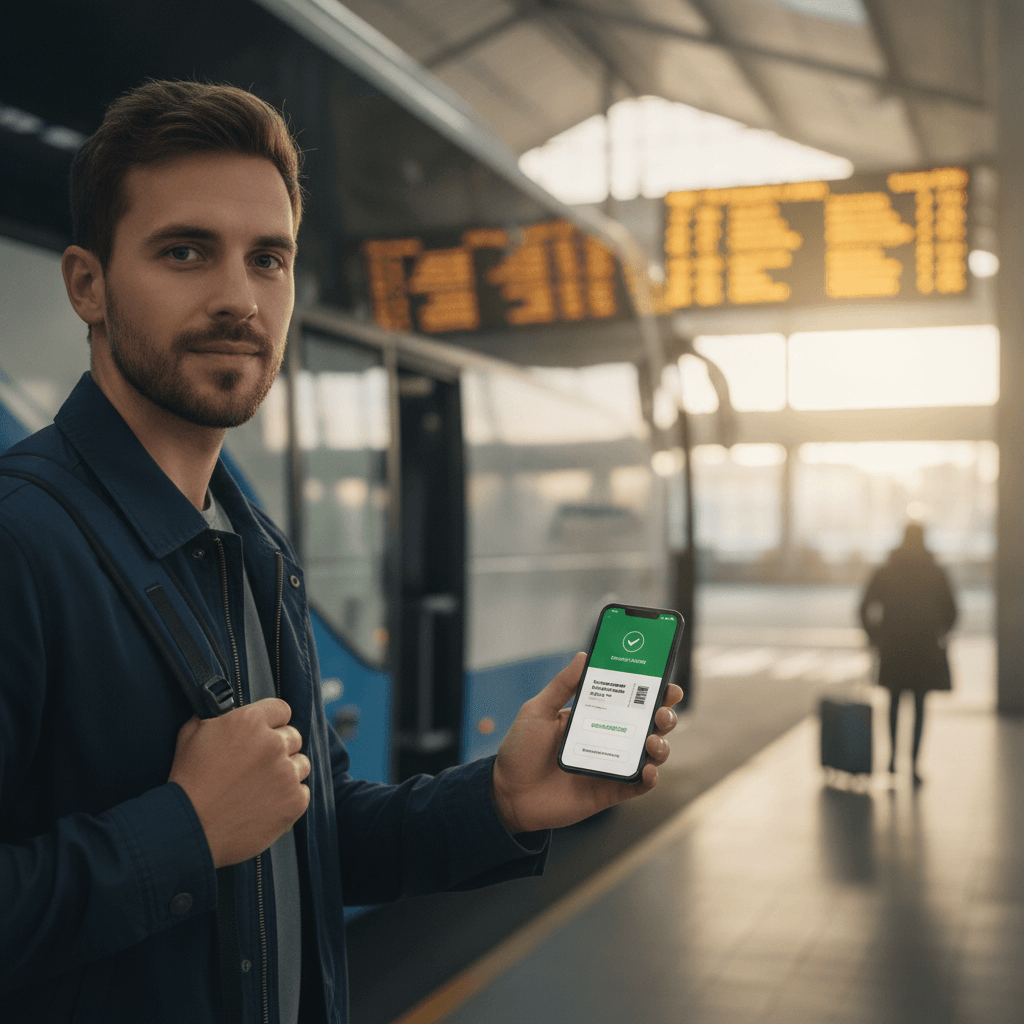

Short answer? Most major bus booking platforms accept UPI, debit and credit cards, net banking, and digital wallets. If you're booking online in India, UPI is almost always the fastest option — it works on nearly every platform and settles instantly. But there are nuances depending on where you're booking, what device you're on, and occasionally, what route or operator you've picked. Let me break it all down so you're not fumbling at checkout when your bus leaves in two hours.
Whether you're grabbing a last-minute ticket on bus booking platforms or planning ahead for a holiday, understanding your payment options upfront saves a lot of headache. And honestly, payment failures at checkout are one of the most common (and annoying) things travelers deal with — usually because of a mismatch between what the platform supports and what you're trying to use.
UPI: The Default Choice for Most People
If you have a UPI-linked bank account, just use that. It's genuinely the smoothest experience across the board — no card details to type, no OTP juggling, just a quick app approval and you're done. Google Pay, PhonePe, Paytm UPI, BHIM, and most bank-specific UPI apps all work fine on major platforms.
One thing worth knowing: some platforms show UPI as a single option, while others let you choose your specific app. If you're on mobile, the redirect to your UPI app is usually seamless. On desktop, you'll often scan a QR code instead — which works, just takes a few extra seconds. Either way, UPI is the most reliable option for avoiding payment failures, especially if your card issuer tends to flag online transactions.
The only real limitation? UPI has a per-transaction limit (usually ₹1 lakh, though some banks cap it lower). For most bus tickets, this won't matter. But if you're booking multiple seats on a long-distance route for a group, it might be worth splitting payments or using a different method.
Cards, Net Banking, and Wallets — What Actually Works
Debit and credit cards are universally accepted — Visa, Mastercard, and RuPay all work. If you're booking on a platform that supports EMI, credit cards are your only real option there, which can be handy for pricier overnight or inter-city routes. Net banking is supported on most platforms too, though it's gotten slower to use over the years as UPI took over. I'd only recommend it as a fallback if your UPI or card isn't working.
Digital wallets are where things get a bit patchier. Paytm Wallet, Amazon Pay, and MobiKwik show up on some platforms but not all. If you happen to have balance sitting in one of these wallets, it's worth checking whether your platform supports it — but I wouldn't count on it as a primary method. Some popular bus routes run through operators with their own booking systems, and those smaller portals sometimes have more limited payment options than the big aggregators.
One thing people don't think about: international cards can be tricky. If you're a foreign traveler booking buses in India, your card might decline due to international transaction blocks or the platform not supporting foreign-issued cards. In that case, ask someone local to book for you, or use a travel-ready card that has international online transactions enabled.
What Happens When a Payment Fails
Payment failures during bus ticket booking are frustrating — especially when you're not sure if money got deducted or not. Here's what actually happens most of the time: if the payment gateway times out or you close the window mid-transaction, the amount gets put on hold by your bank but the ticket isn't issued. In most cases, the hold releases within 24-48 hours automatically.
The tricky part is when the money shows as debited but no ticket confirmation arrives. This happens more than it should. If that's you, check your registered email and SMS first — sometimes the confirmation just takes a few minutes. If nothing shows up after 15-20 minutes, contact the platform's support directly with your transaction ID. Most platforms have a dedicated refund process for this, and you'll usually get your money back within 5-7 working days.
To avoid this altogether: don't use a VPN while booking (it confuses payment gateways), make sure your card's international/online transactions are enabled, and don't close the payment window before you get a confirmation screen. Sounds obvious, but these three things cause most failures.
Booking Bus Tickets as Part of a Larger Trip
A lot of people book buses as one leg of a bigger journey — maybe a bus to the airport, or a scenic overnight bus to a hill station before they check into a villa stay. In those cases, it's worth thinking about your payment setup holistically. Using the same platform for your bus and hotel booking can simplify things, since your saved cards and UPI handles carry over.
If you're putting together a full itinerary, it might actually make more sense to look at holiday packages that bundle transport and accommodation — especially for popular routes where the pricing can be surprisingly competitive compared to booking everything separately. You avoid the per-booking transaction juggling too, which is a small but real convenience.
And if something goes sideways with a booking — wrong date, operator cancellation, whatever — having travel insurance in place is genuinely useful. It's not something most people think about for a bus ticket, but if you're booking for a group or a trip where missing a connection would be a real problem, it's worth considering.
A Few Practical Tips Before You Book
- Keep your bank's UPI app updated — outdated apps cause more payment failures than people realize.
- If you're booking for someone else using your card, make sure the card allows third-party transactions (most do, but some corporate cards don't).
- Save your ticket as a PDF right after booking — don't rely on finding the confirmation email at the boarding gate.
- If you're planning a long-distance overnight journey, check whether the operator accepts digital tickets or needs a printout. Most do accept digital now, but a handful of smaller operators still ask for physical copies.
Honestly, bus booking in India has gotten much smoother in the last few years. The payment infrastructure is solid, UPI has fixed a lot of the friction that used to exist, and most platforms are pretty transparent about what they accept. As long as you go in with a working UPI or card and a stable internet connection, you'll be fine. And if you want to explore routes before you commit, browsing bus routes first gives you a good sense of pricing and operators before you get to the checkout stage.