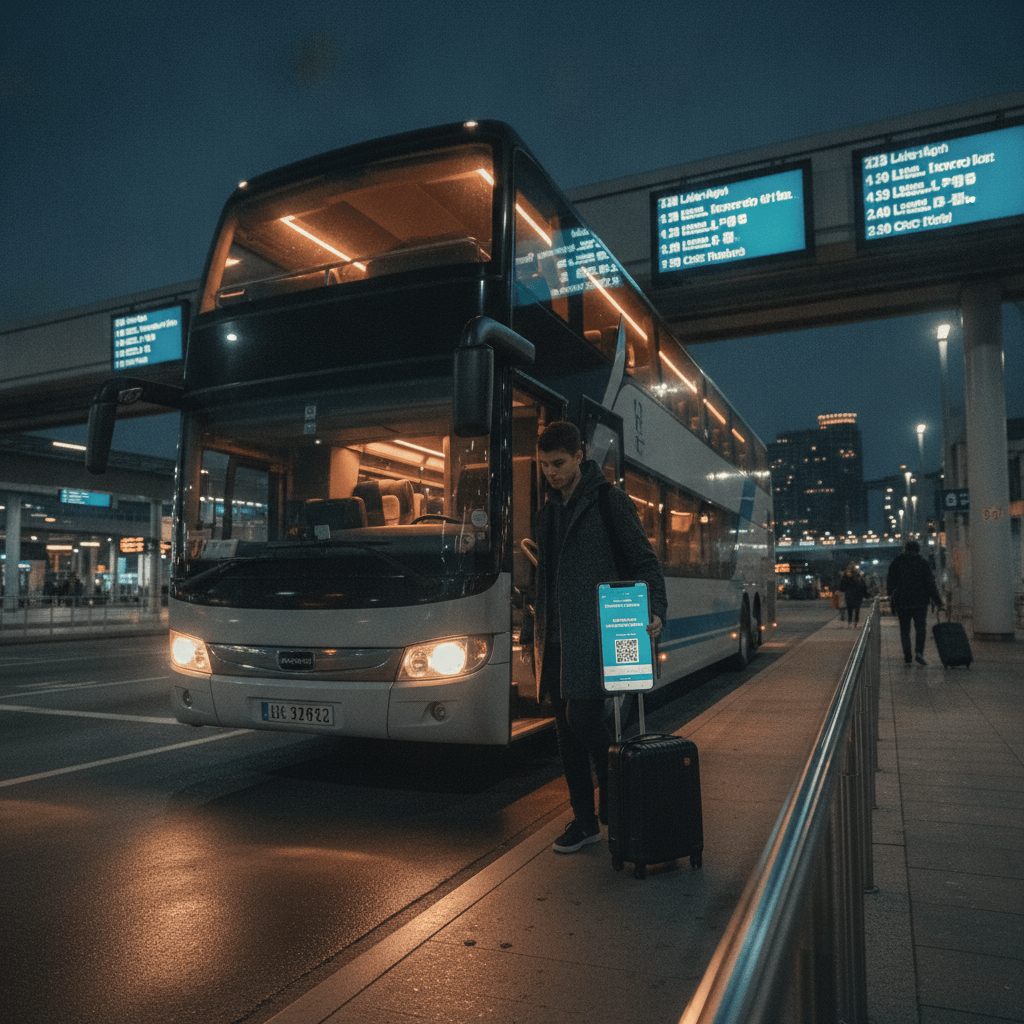

If you're trying to figure out the best way to book an overnight bus — not just any bus, but one where you'll actually sleep and arrive feeling like a human — here's the short answer: it matters a lot which service you pick and how early you book. Sleeper buses aren't all equal, and the difference between a good overnight journey and a miserable one usually comes down to the berth type, the operator's track record, and whether you booked the right seat for your body type. Start by browsing bus booking options to compare operators, timings, and passenger ratings before you commit to anything.
Now, the longer answer — because there's genuinely a lot to know here if you want to get this right.
What Makes an Overnight Bus Actually Worth It
The whole point of taking a night bus is to save a hotel night and arrive at your destination in the morning, ready to go. That math only works if you actually sleep. And sleeping on a bus depends on a few things most people don't check until it's too late.
First, berth type. Semi-sleeper seats recline but not flat — fine for a 4-hour journey, rough for 10 hours. Full sleeper berths go horizontal (or close to it) and are worth paying extra for anything over 6 hours. Lower berths are more convenient if you need to get up in the night; upper berths are quieter and have fewer people brushing past you. Second, operator quality. Some bus companies are genuinely well-run — punctual, clean, with AC that actually works. Others... aren't. Passenger reviews are your best filter here, not the operator's own marketing. You can check popular routes to see which operators consistently get good ratings on specific corridors.
And honestly, the route matters too. Highway quality, number of stops, and whether the driver treats the journey like a race all affect how well you'll sleep.
Sleeper Bus Classes — What You're Actually Choosing Between
This trips people up a lot. Here's what the labels typically mean in practice:
- Semi-sleeper: Reclining seats, usually 2+2 configuration. Budget-friendly but not ideal for long hauls.
- Sleeper: Flat or near-flat berths, often 2+1 configuration. The standard choice for overnight travel.
- Luxury sleeper / AC sleeper: Same flat berths but with better AC, curtains for privacy, sometimes USB charging and wider berths.
- Volvo multi-axle sleeper: Smoother ride due to the suspension, usually on well-maintained coaches. Worth it on long, bumpy routes.
- Premium sleeper pods: Some newer operators offer fully enclosed pods with individual climate control. Expensive, but closer to a budget flight in terms of comfort.
I think most travelers underestimate how much the berth width matters. If you're taller than average or just not a compact sleeper, pay the extra ₹200–500 for a wider or premium berth. It's worth it every time.
How to Actually Compare and Book Without Getting Burned
Here's where a lot of people go wrong — they book on price alone. That's fine for a 2-hour daytime ride. For overnight bus booking, you need to weight passenger reviews at least as heavily as price. A bus that's ₹300 cheaper but has reviews mentioning "AC broke down" or "arrived 3 hours late" is not a deal.
When you're comparing options, look for these specifically:
- Departure time — 9 PM to 11 PM departures are usually the sweet spot. Too early and you're sitting awake; too late and you lose sleep before you even board.
- Arrival time — you want to arrive after 6 AM ideally, not at 3 AM when nowhere is open and you're just waiting.
- Number of stops — fewer is better for uninterrupted sleep.
- Operator rating — anything below 3.5 stars, I'd skip regardless of price.
- Cancellation policy — overnight trips sometimes need to change. Know before you pay.
If you want to compare all of this in one place without jumping between tabs, the bus booking page lets you filter by berth type, operator rating, and departure time simultaneously. Much easier than doing it manually.
Routes Where Overnight Buses Make the Most Sense
Not every route is worth taking overnight. For routes under 5 hours, honestly, just take a daytime bus or train — the premium for a sleeper berth doesn't pay off if you're barely using it. But for certain distances, overnight buses are genuinely the smart move.
Bangalore to Hyderabad, Mumbai to Goa, Delhi to Manali, Pune to Ahmedabad — these are all classic overnight corridors where the journey time is right (8–14 hours), multiple good operators run regularly, and you save a full hotel night. The popular bus routes section breaks these down with typical journey times and operator options, which helps you figure out if the overnight option makes sense for your specific trip.
For routes into the mountains or on narrower roads, I'd be more cautious. Night driving on steep terrain is a different risk calculation. Some people are fine with it; others aren't. Worth thinking about before you book.
What to Do When the Bus Isn't Enough (Realistic Alternatives)
Look, overnight buses aren't for everyone. If you have a bad back, travel with young kids, or just genuinely can't sleep in moving vehicles, it's worth knowing your alternatives before you commit.
For the same routes, overnight trains are often comparable in price and significantly more comfortable for sleeping — wider berths, dining options, and you can actually walk around. If budget is less of a concern, check whether there's a short-haul flight instead; sometimes flight options on those corridors are cheaper than you'd expect, especially if you book in advance. And if you're going somewhere remote where neither trains nor flights reach well, cab booking for a shared or private transfer might actually make more sense than a bus that stops twelve times.
If you're building a full trip around this, it's also worth checking holiday packages — some of them bundle transport and accommodation in ways that end up cheaper than booking each piece separately, and they handle the overnight logistics for you.
Little Things That Make a Big Difference on the Night
Assuming you've booked a decent bus on a good route — here's the stuff that actually improves the experience on the night itself.
Bring a travel pillow. The ones they provide (if any) are usually thin and plasticky. A small inflatable neck pillow takes up almost no space and makes a real difference. Layers matter too — buses get cold, then warm, then cold again, and you can't control the AC from your berth. A light jacket or shawl is non-negotiable.
Earplugs or noise-cancelling headphones if you're a light sleeper. The bus will make noise, other passengers will make noise, the driver sometimes plays radio at 2 AM. Plan for it. Download something to watch or listen to for the first hour while you're settling in — trying to sleep immediately on a bus rarely works.
And practically: use the bathroom before you board, not just after you get on. Most buses have one stop mid-journey, but that's not guaranteed timing. Carry some snacks and water because the roadside stops can be hit or miss, and you don't want to be choosing between a dodgy dhaba at midnight or going hungry.
If you're still figuring out your whole trip — where to stay once you arrive, what else to do around your destination — villa and property stays can be a good option at the other end, especially if you're arriving early morning and a standard hotel check-in won't happen until noon. Some stay properties are much more flexible about early arrivals. And for broader trip inspiration once you've sorted the transport, travel ideas and guides are worth a look to make sure you're getting the most out of wherever you're headed.
The overnight bus, done right, is genuinely one of the more efficient ways to travel — you cover distance, save money, and wake up somewhere new. It just takes a bit more thought upfront than booking a daytime ride.