Vaishno Devi Yatra Guide: Katra Pilgrimage & Temple Darshan
Overview of Vaishno Devi
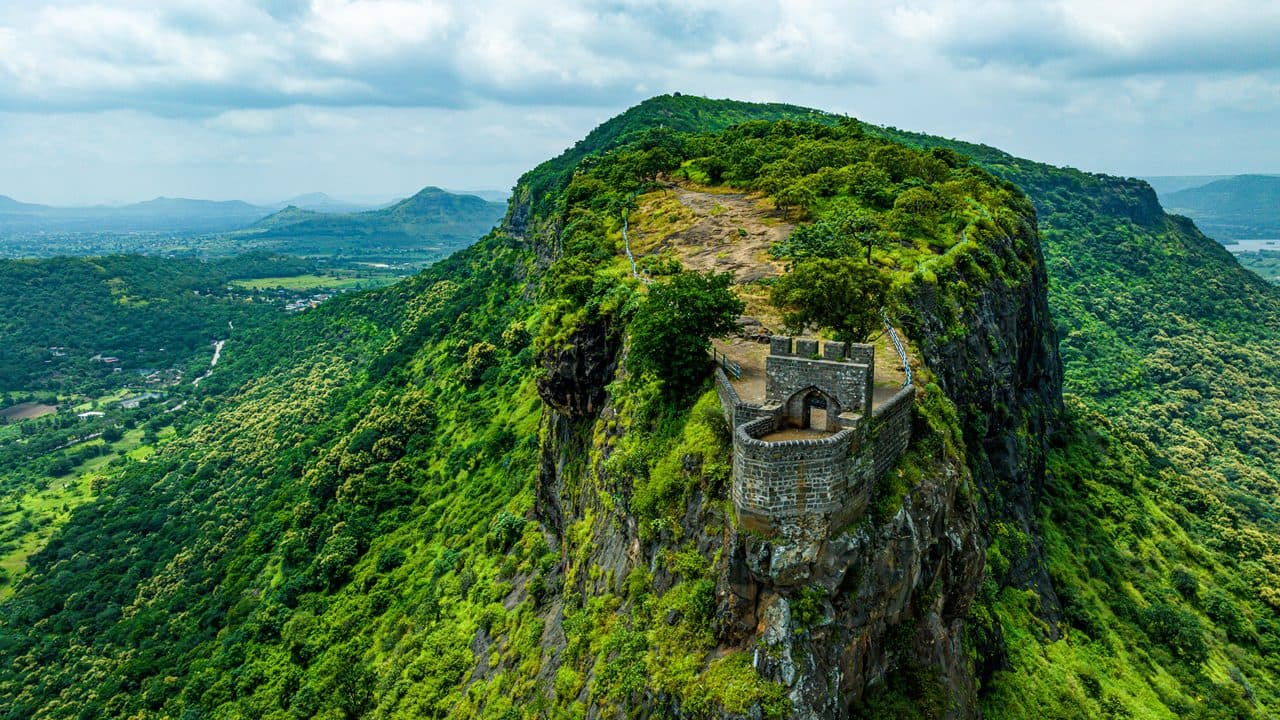
Vaishno Devi is a very special holy shrine. It is high up in the Trikuta Mountains. The views of the hills are very nice.
This place is in Jammu and Kashmir. Millions of people come here each year. They walk a long path to the holy cave.
Devotees come for blessings from the goddess. The journey is a test of faith and strength. This guide will help you plan your visit.
Entry Details and Timing for Vaishno Devi
The path to Vaishno Devi is always open. It is open 24 hours a day. It is open all year for everyone.
There is no entry fee to visit the shrine. But you must get a Yatra slip. This slip is free and very important.
You can get the slip at the Yatra Registration Counter. You can also get it online. Keep it safe with you during your trip.
A full visit takes a lot of time. The walk up and down can take about 12 to 14 hours. It depends on your speed and the crowd. So, plan for at least a full day and night.
Special prayer times are called Aarti. They happen twice a day. The cave is closed for a short time during Aarti. Check the timings before you go.
What To Expect at Vaishno Devi?
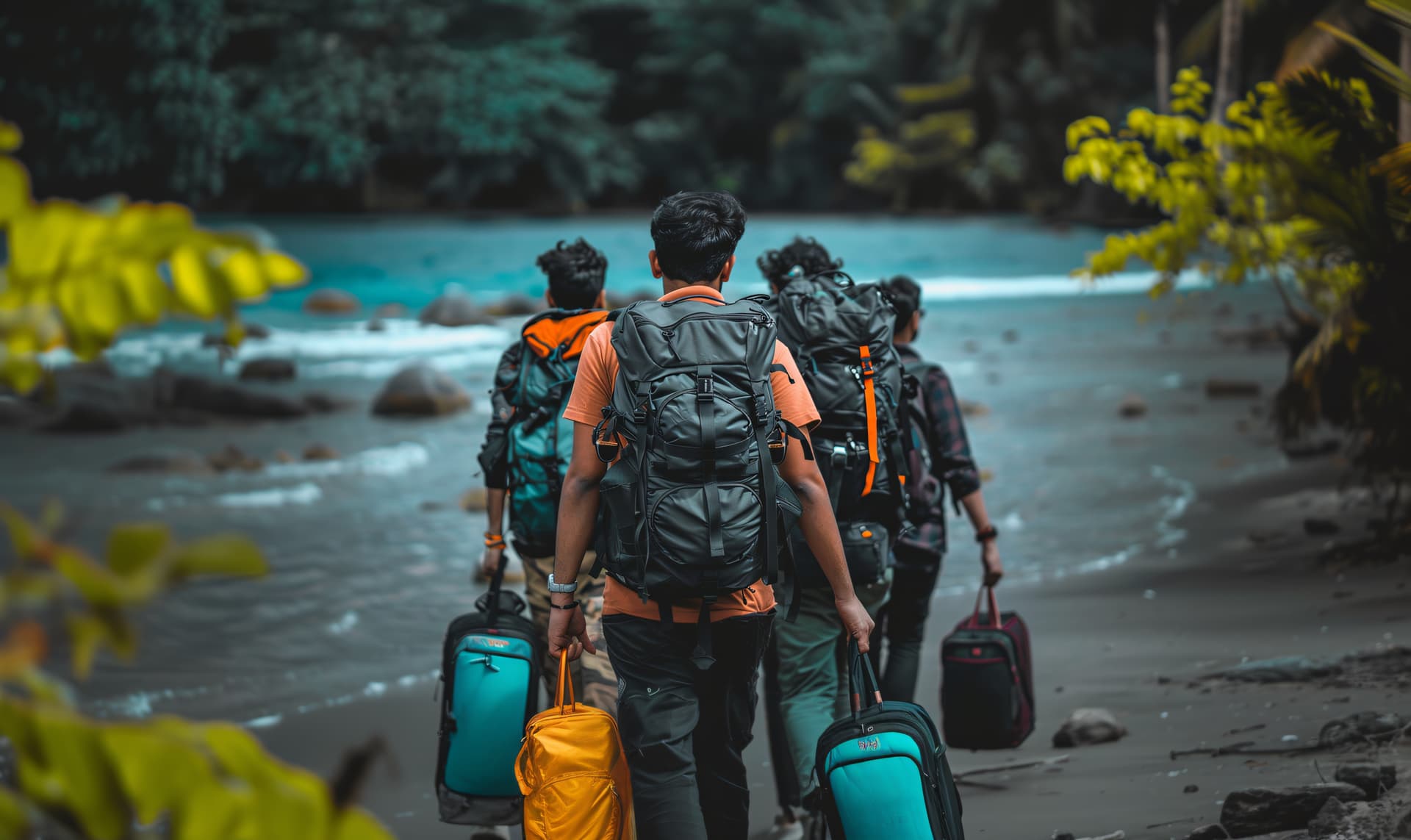
Your journey to Vaishno Devi starts in the town of Katra. The walk to the top is about 13 kilometers long. The path is paved and well-lit at night. You will feel a strong sense of peace here. Many people chant and sing holy songs.
The air is filled with devotion. You will see many shops along the way. They sell food, water, and religious items. There are many things to do on the path. You can stop and rest at many spots.
You can also find drinking water and toilets. The path has shelters to protect you from sun and rain. The main tourist attraction is the holy cave itself. This is where the goddess is worshipped. You will feel very calm and happy inside. You can relax and pray here. The whole experience is about your inner journey.
History of Vaishno Devi
The story of Vaishno Devi is very old. It is about a holy man named Pandit Shridhar. He was a great devotee of the goddess.
The goddess appeared to him as a young girl. She asked him to hold a big feast. He was poor but had strong faith.
He invited everyone from his village and nearby areas. With the goddess's grace, there was enough food for all. This is why the shrine is so special today. It is a famous Hindu holy site. The cave has three natural rock forms called Pindis. They represent the three forms of the goddess.
Why Vaishno Devi is Known For
- The spiritual journey to Vaishno Devi brings peace and blessings.
- The challenging but rewarding trek through the mountains.
- The holy cave with the sacred Pindis of the goddess.
- The strong faith that pulls millions of visitors every year.
More About Vaishno Devi Scenery
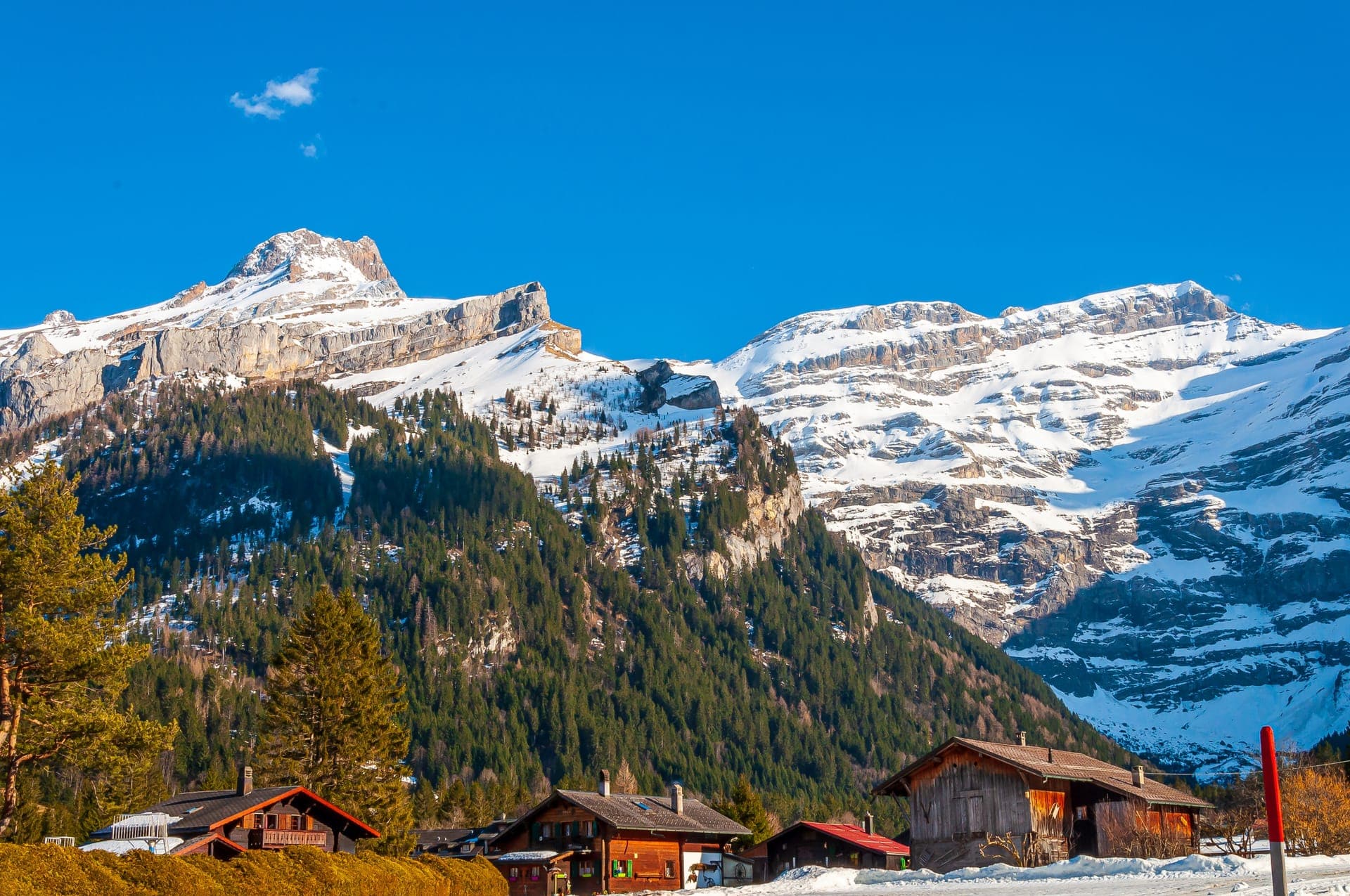
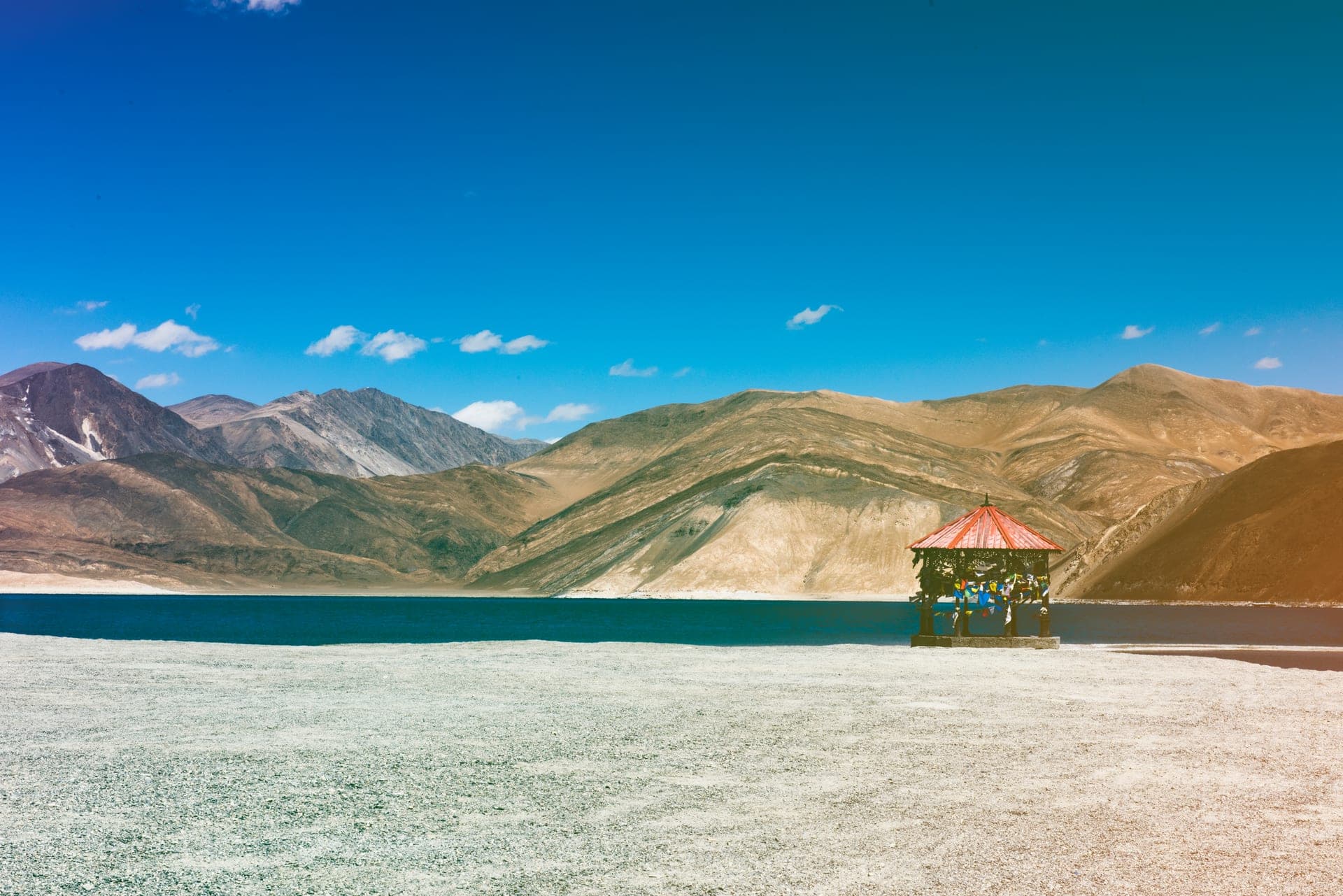
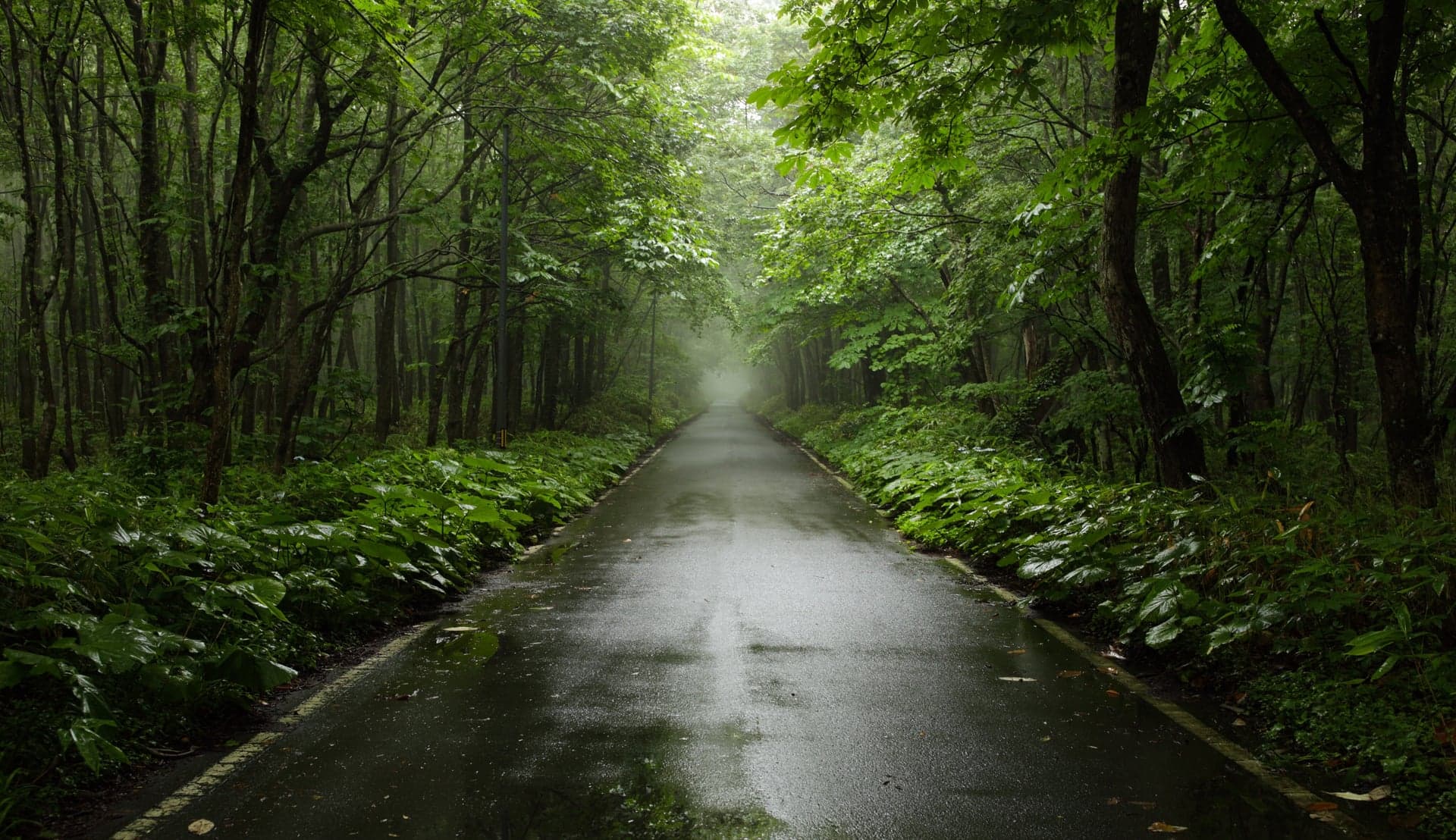
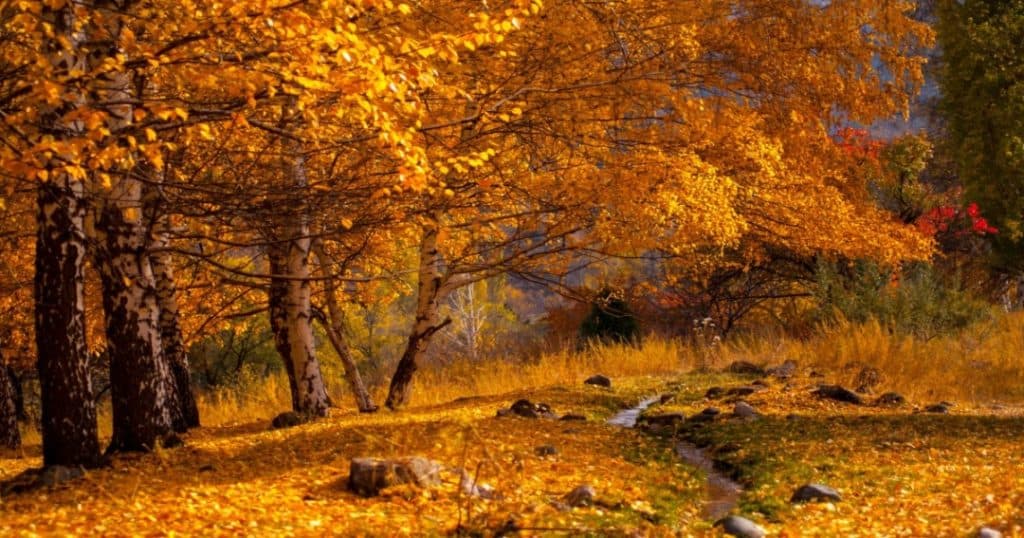
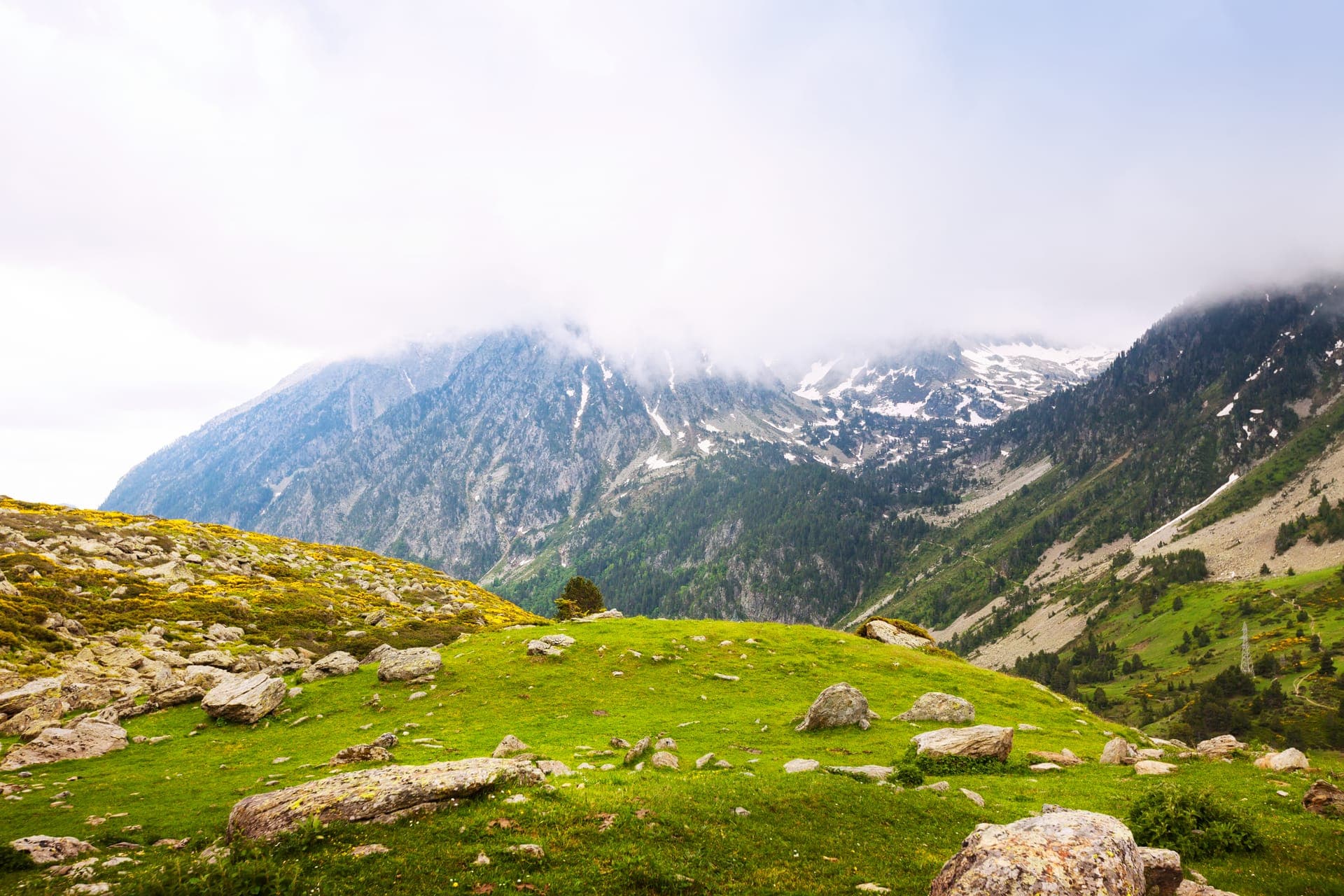
The scenery on the way to the shrine is very nice. You walk through green hills and valleys. The path gives you great views of the mountains.
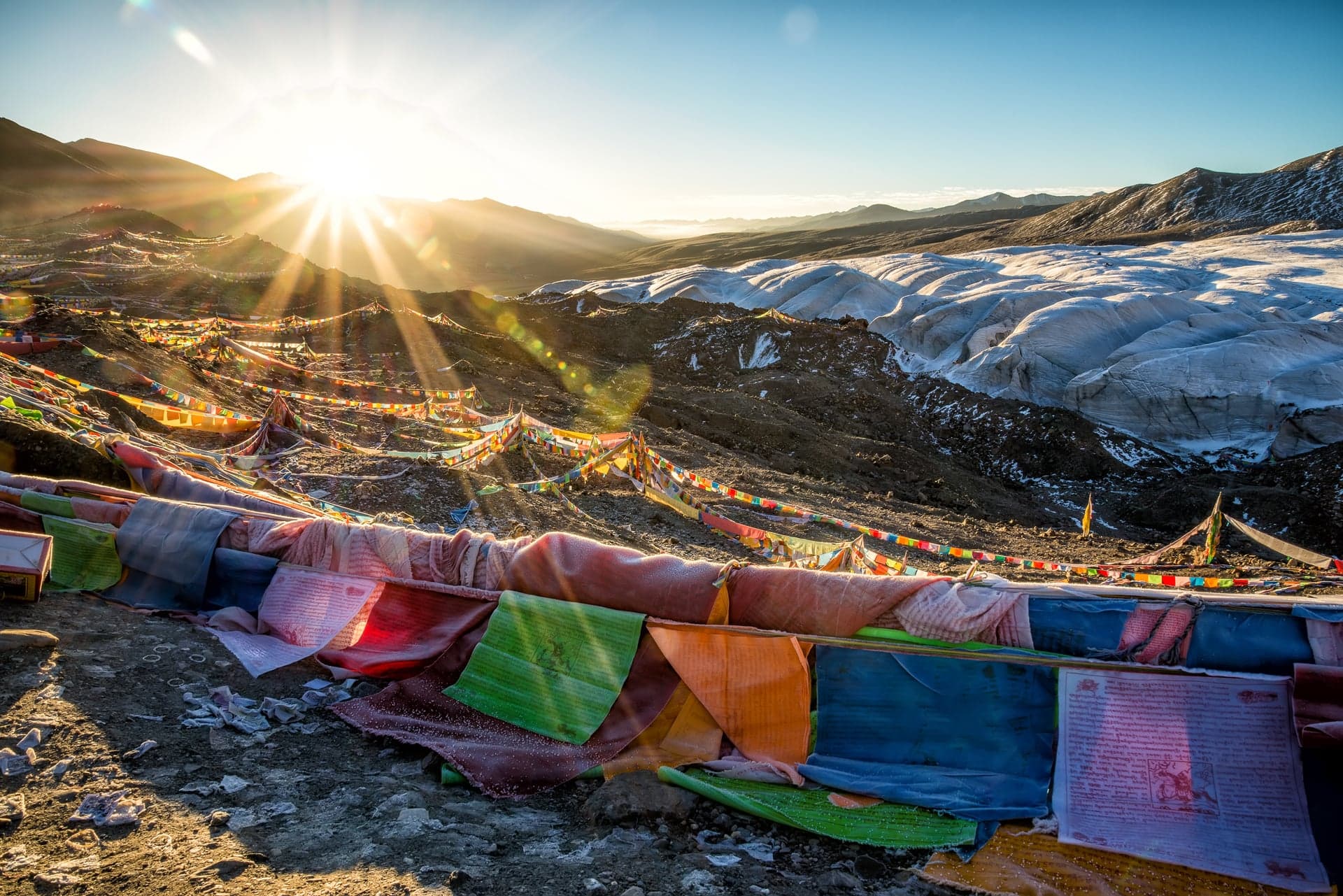
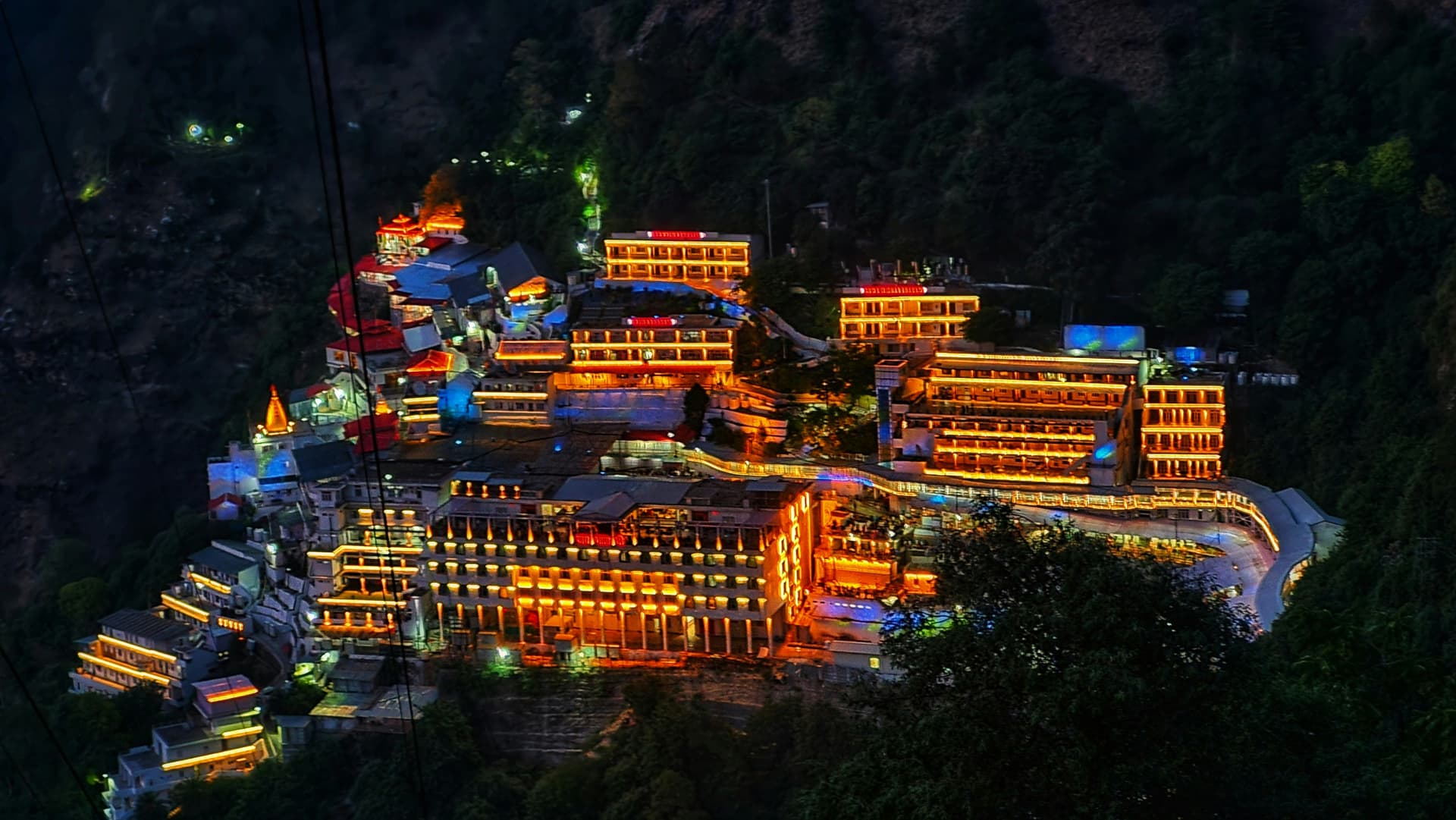
The sunrise looks beautiful from the high points. The sky fills with soft orange and pink colors. At night, the lights from Katra town look like stars on the ground. The path to Vaishno Devi is also lit up. It looks like a bright ribbon on the dark mountain.
The Trikuta mountains trek is full of natural beauty. You can hear birds singing in the morning. The fresh mountain air feels clean and cool. This lovely setting makes the walk feel very special. Many people stop to look at the view.
Architecture and Style of Vaishno Devi
The main shrine of Vaishno Devi is inside a natural cave. The cave is not man-made. It is a work of nature. The style is simple and pure.
Inside, there are no big statues. There are three natural rock forms. These are called the Holy Pindis. Devotees worship these rocks. The cave is narrow in some parts.
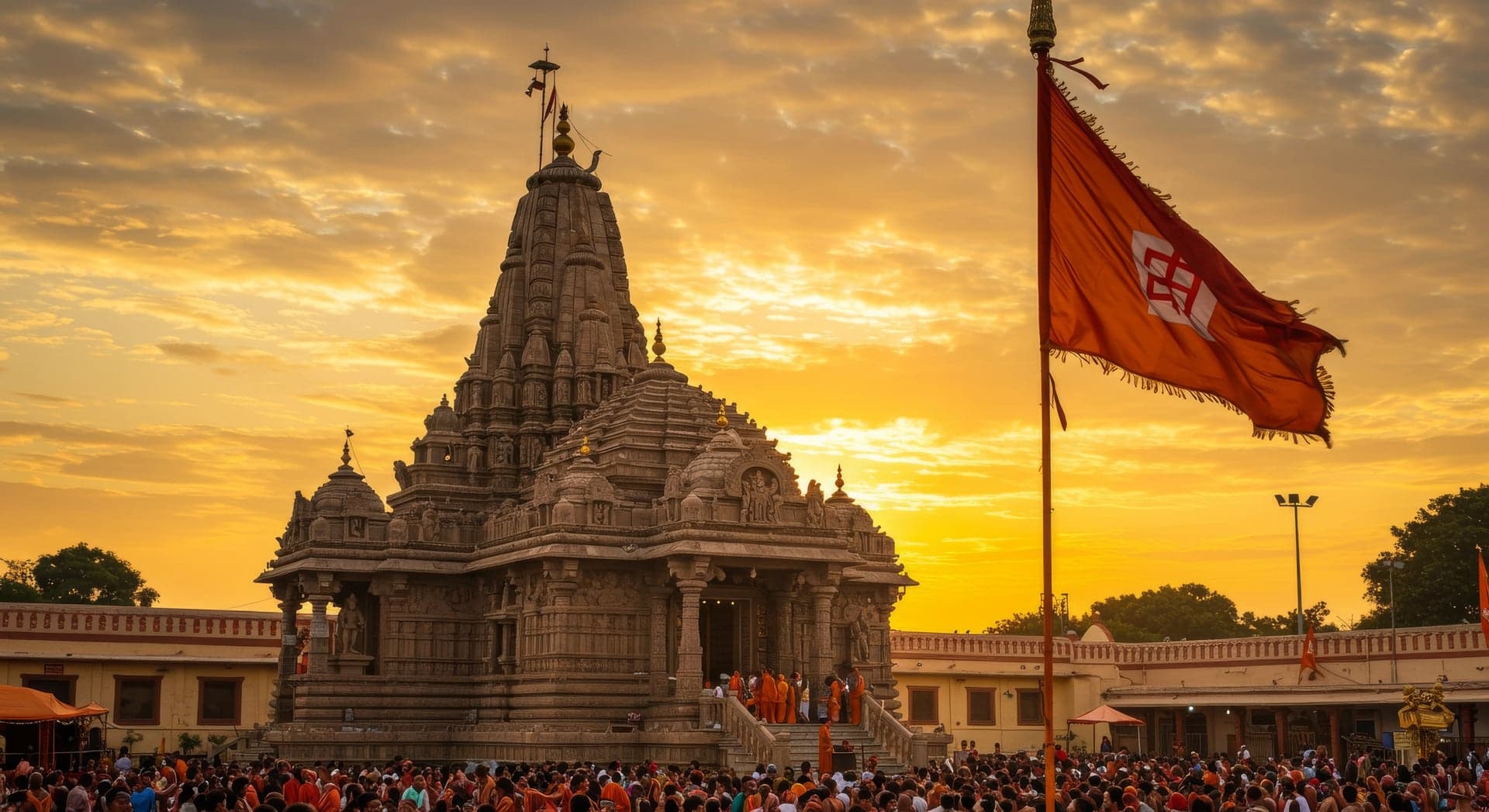
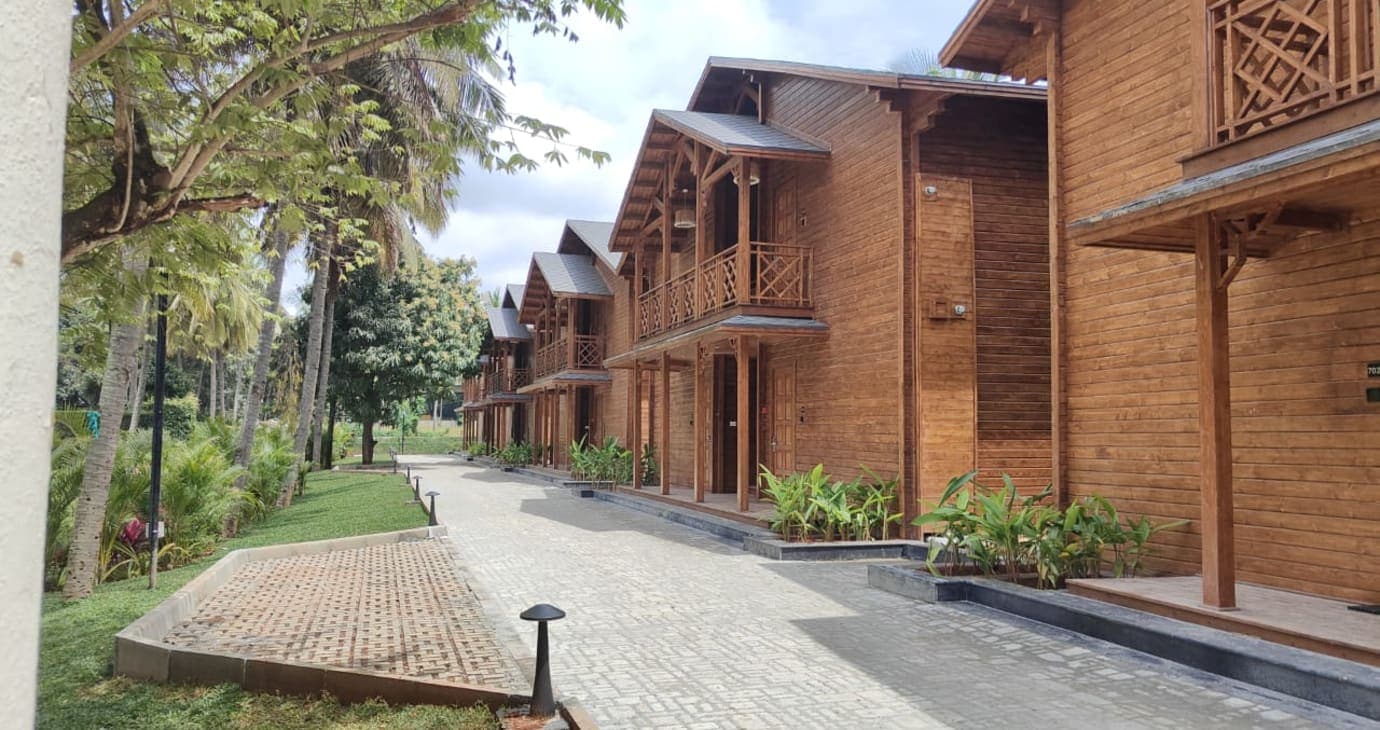
Over the years, many new buildings have been made. These are for the comfort of the pilgrims. The path is wide and has railings for safety. The Mata Vaishno Devi temple complex now has many modern facilities. But the heart of the shrine remains the ancient holy cave.
Best Time to Visit Vaishno Devi
The best time to visit Vaishno Devi is from March to October. The weather during these months is pleasant. It is not too cold, so the walk is easier.
Summer is a good time to visit. But it can be crowded due to school holidays. The monsoon season is from July to September. The path can be slippery, so be careful.
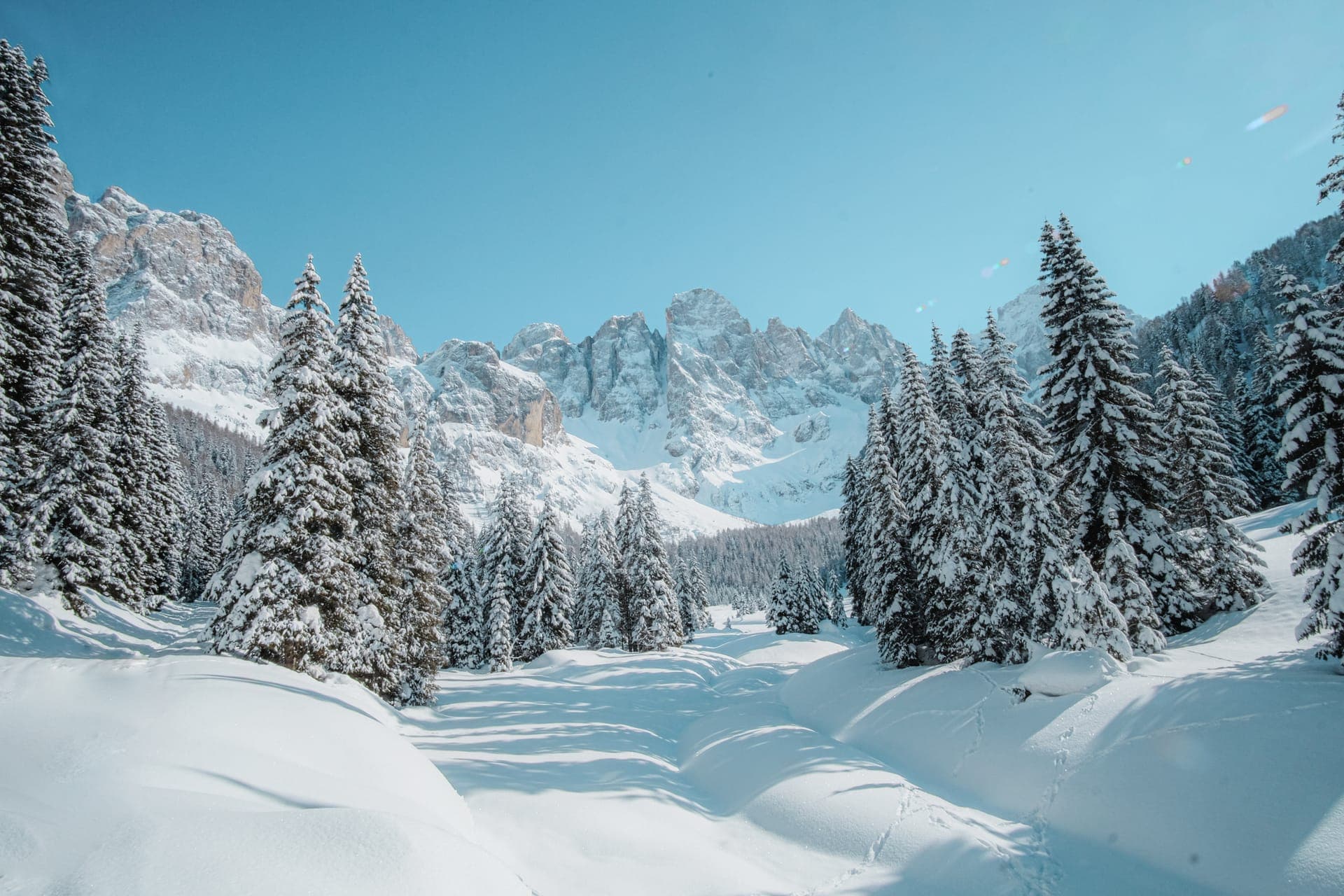
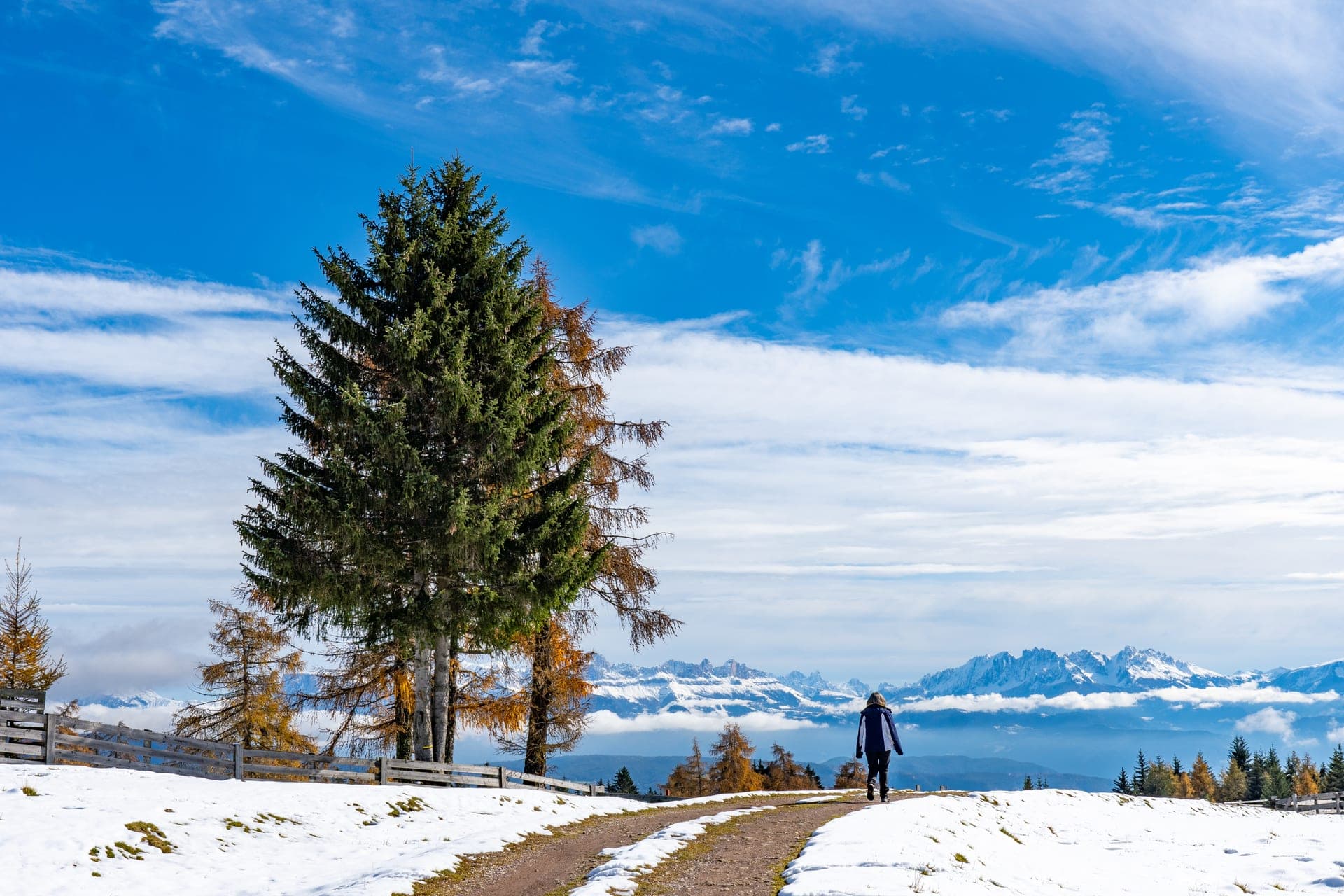
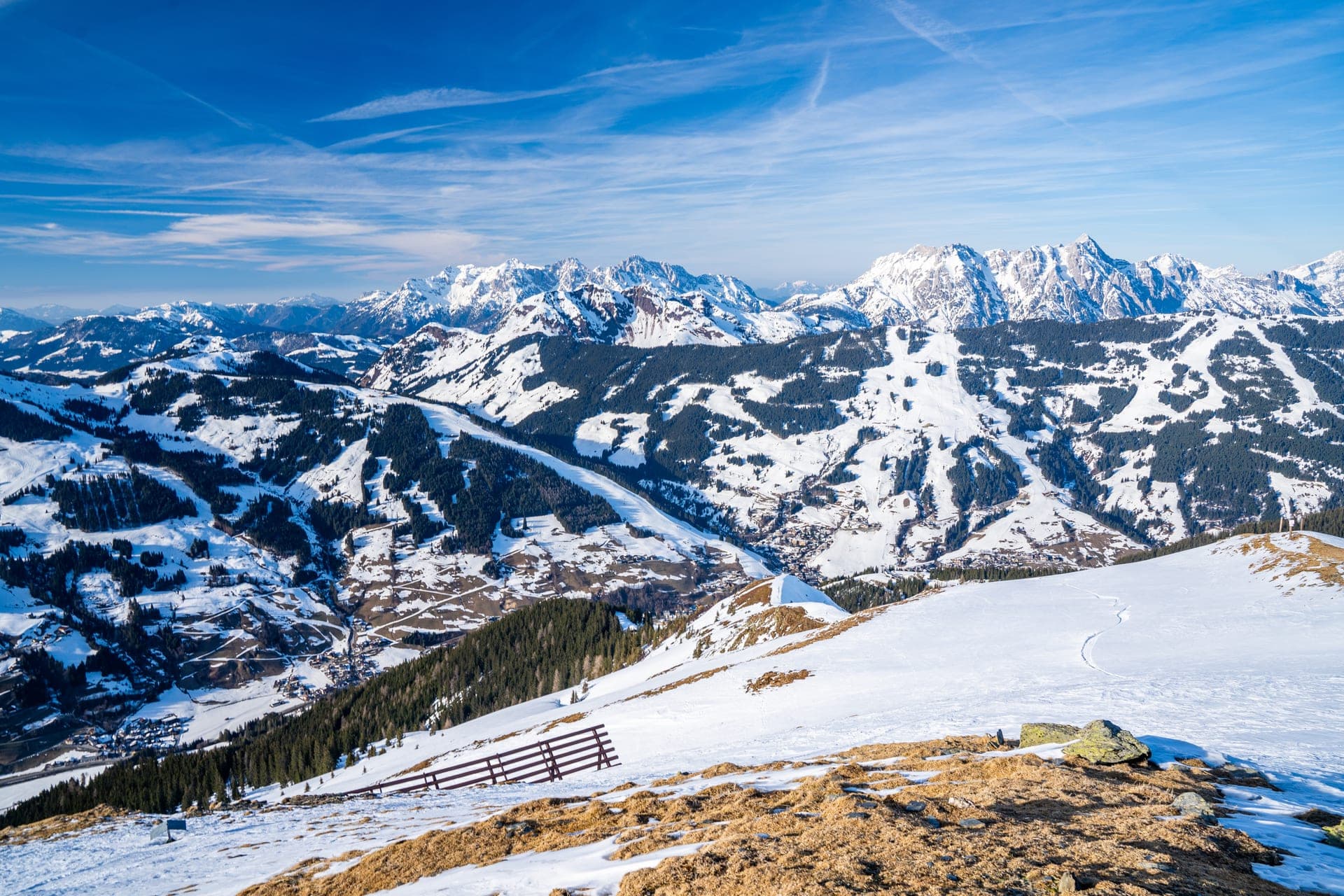
Winter can be very cold. Sometimes there is snowfall on the high peaks. If you like the cold, you can visit then. To avoid big crowds, do not visit during major festivals like Navratri. The wait time can be very long during these periods.
How to Reach Vaishno Devi
You must first reach the town of Katra. This is the base camp for the journey. Katra is well-connected.
By Air: The nearest airport is Jammu Airport (IXJ). It is about 50 kilometers from Katra. You can take a taxi or bus from the airport.
By Train: The nearest railway station is in Katra. The station name is Shri Mata Vaishno Devi Katra (SVDK). Many trains from major cities come here directly. This is a very easy way to start your Katra pilgrimage.
By Road: Many buses go to Katra from nearby cities like Jammu. A Jammu shrine tour often starts by road. The roads are good and the journey is safe. From Katra, you start your walk to the shrine.
Travel Tips for Visiting Vaishno Devi
- Wear comfortable shoes for walking.
- Carry water bottles to stay hydrated.
- Follow the local rules and be respectful.
- Stay safe on the path, especially at night.
- Respect the holy shrine of Vaishno Devi.
- Bring good warm clothes, as it can get cold.
- Do not bring banned items like cameras inside the cave.
- This religious travel guide advises you to book your stay in advance.
- You must complete the Vaishno Devi Yatra registration.
Top Attractions In or Near Vaishno Devi
- Ardhkuwari Cave: This spot is near Vaishno Devi and has a narrow cave that devotees crawl through.
- Bhairon Ghati: This spot is near Vaishno Devi and has a temple dedicated to Bhairon Nath.
- Sanjichhat: This spot is near Vaishno Devi and has a helipad and amazing valley views.
- Charan Paduka: This spot is near Vaishno Devi and has the holy footprints of the goddess.
- Banganga Temple: This spot is near Vaishno Devi and has a sacred river where pilgrims take a holy dip.
- Shiv Khori: This spot is a bit far from Vaishno Devi and has a famous cave shrine for Lord Shiva.