
Your Guide to Jhunjhunu: Rajasthan's Unsung Hero
Okay, so you're planning a trip to Rajasthan. You've probably got the big names on your list: Jaipur, Jodhpur, Udaipur. And they're great, don't get me wrong. But what if I told you there's a whole region most tourists fly right over, a place that feels like stepping into a forgotten, beautiful storybook? Let's talk about Jhunjhunu.
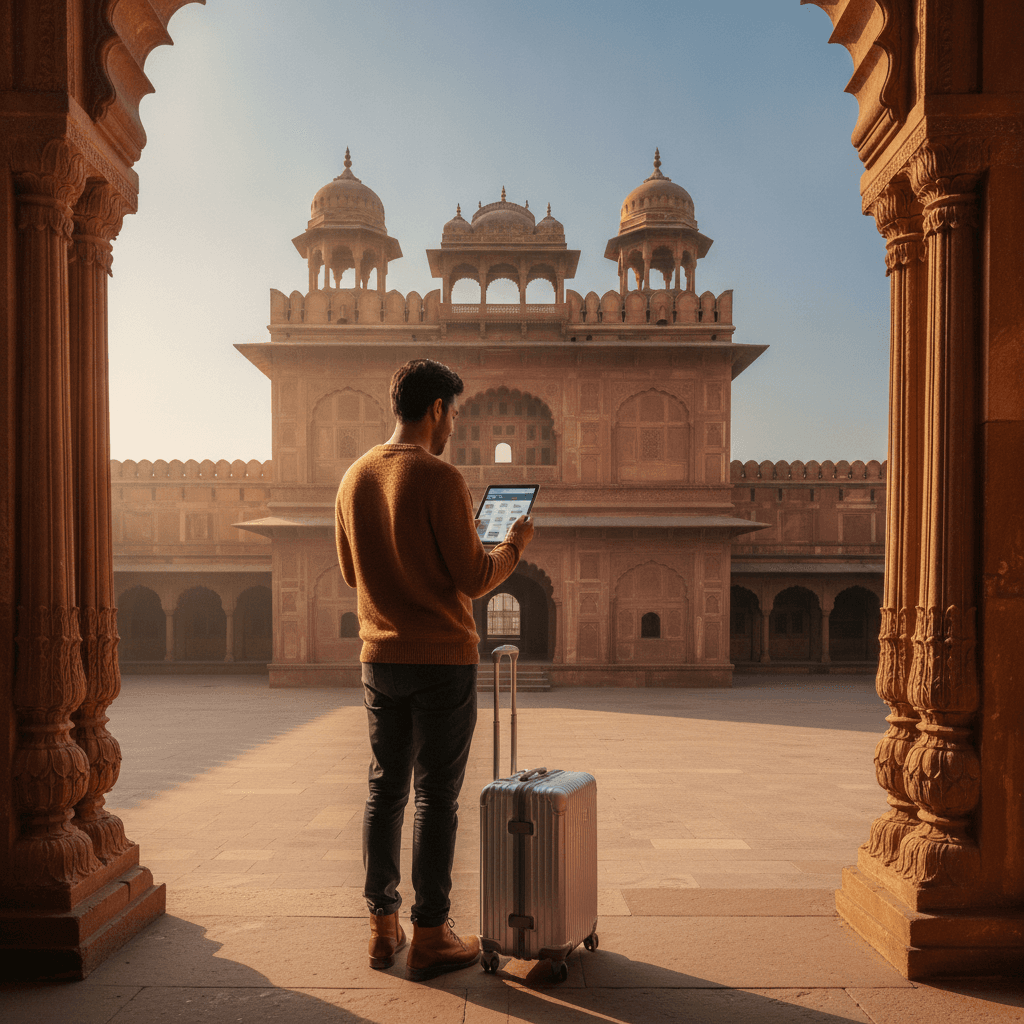
Look, Jhunjhunu isn't about grand palaces or five-star hotels. It's the district headquarters of the Shekhawati region, an area famous for being an 'open-air art gallery'. Why? Here's why. A couple of centuries ago, this was a major stop on the caravan trade routes. The local Marwari merchants became incredibly wealthy, and to show off their status, they built these magnificent houses called 'havelis'. But they didn't just build big houses; they hired artists to cover every square inch, inside and out, with intricate paintings called frescoes. And these paintings are what make this entire region, and Jhunjhunu in particular, so special.
The Real Stars: The Painted Havelis
This is the main reason you come here. Exploring Jhunjhunu is basically a treasure hunt for these incredible works of art. You'll want to set aside a good amount of time to just wander through the narrow, dusty lanes of the old town. You'll turn a corner and suddenly be face-to-face with a wall that tells a whole story.
One of the top spots you have to see is the Modi and Tibrewala Haveli. These are two standout examples and a perfect introduction to Shekhawati art. The detail is just mind-boggling. The artists used natural pigments, which is why so many of the colors still look so good today. You'll see depictions of gods like Krishna and Rama, scenes from epic tales, and portraits of the merchants themselves. But what's really fascinating is the mix of old and new. Right next to a mythological scene, you might see a painting of a steam train, a gramophone, or even a British officer in a pith helmet. It was the merchants' way of showing they were worldly and modern. It's a visual history lesson on a wall, and a must on any list of jhunjhunu famous place attractions.
Khetri Mahal: The Original Wind Palace
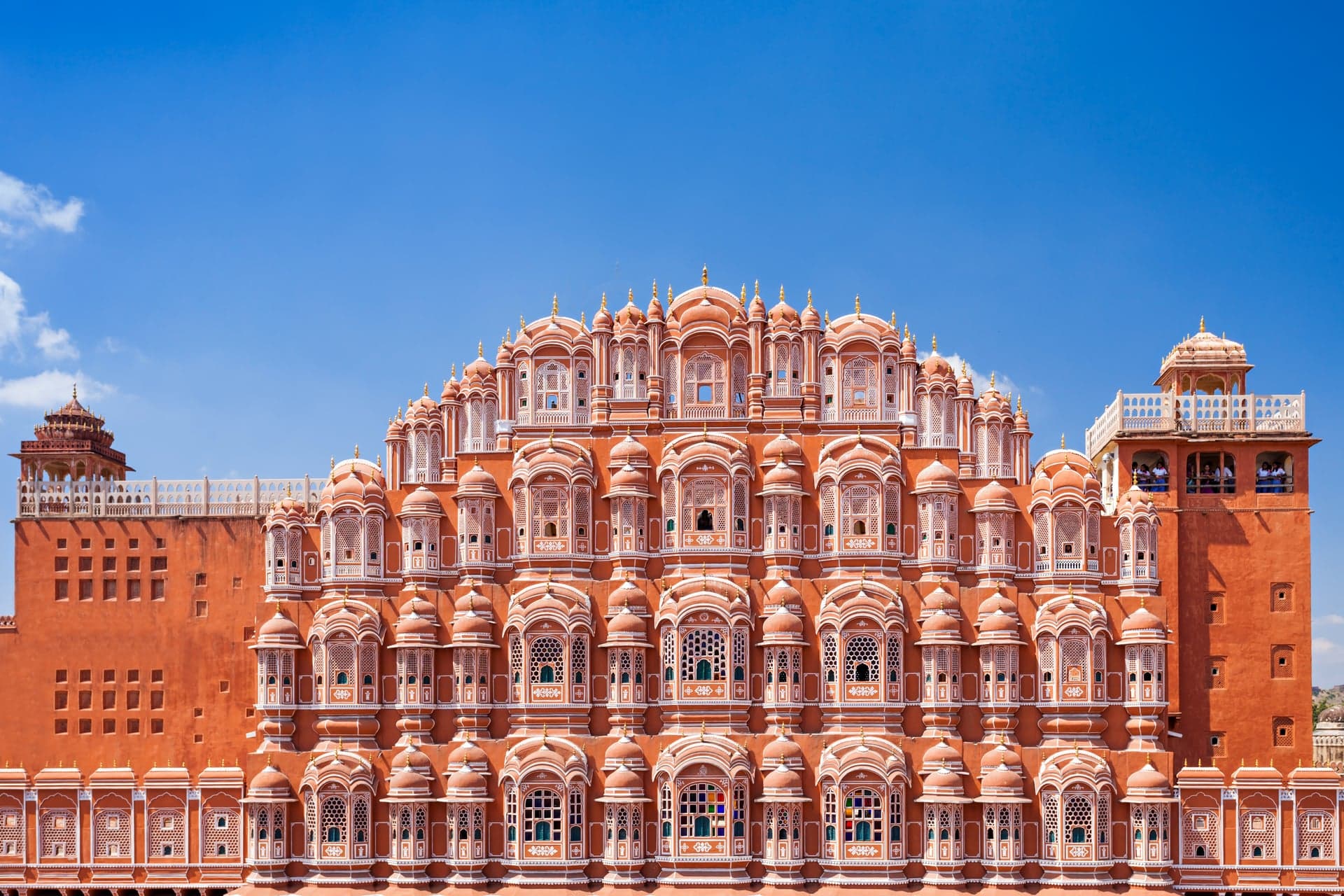
Before Jaipur had its famous Hawa Mahal (Palace of Winds), Jhunjhunu had the Khetri Mahal. Built around 1770, it's a masterpiece of clever, climate-friendly architecture. From the outside, it looks like a fort, but inside, it's a whole different story. The entire structure is built on a series of pillars and arches, with almost no solid walls or doors connecting the different sections. What does that mean? It means the wind can flow through the entire building completely unobstructed. It's a natural air conditioner!
You can walk through its interconnected courtyards and feel the breeze. It's a really unique experience. Plus, you can climb up to the roof for a pretty amazing panoramic view of the town. It’s one of those jhunjhunu tourist places that really surprises you. It’s less about ornate decoration and more about brilliant design.
A Glimpse into Royal History: Badalgarh Fort
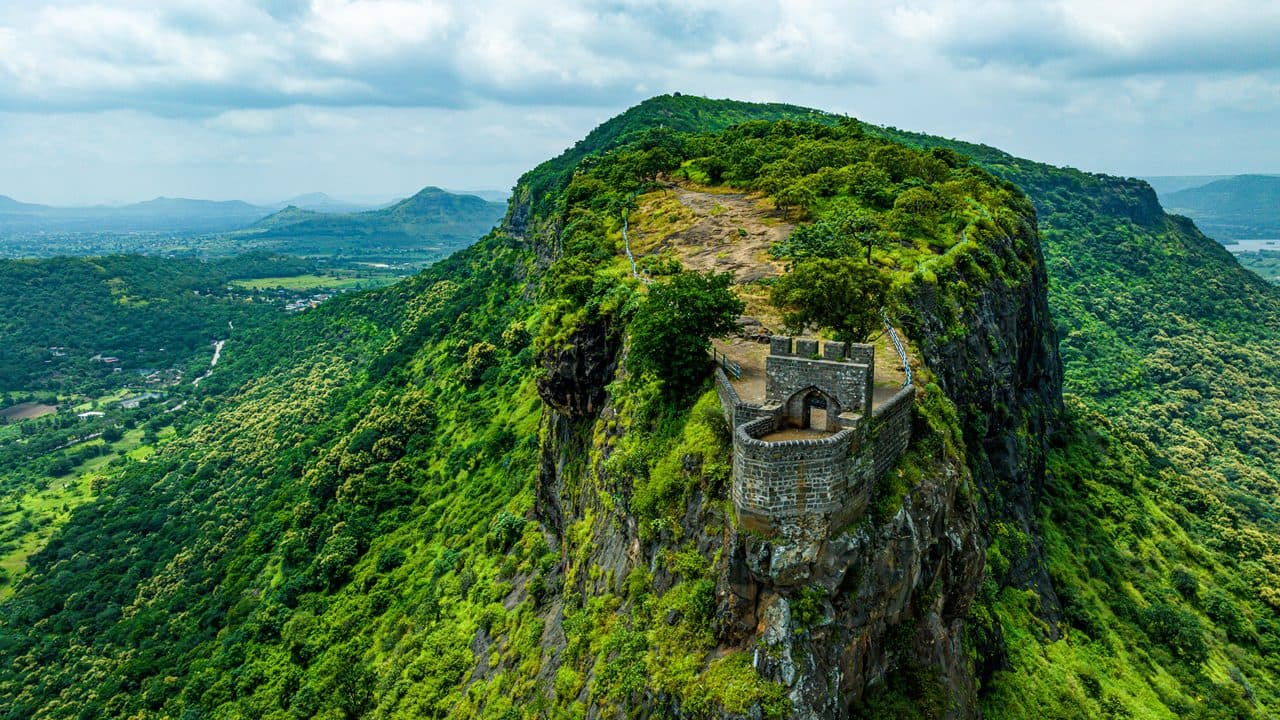
Standing on a hill overlooking the town is the Badalgarh Fort Jhunjhunu. Built in the 16th century by the local Kayamkhani rulers, it's a solid, sturdy fort that reminds you of the area's pre-merchant history. It's not as sprawling as the forts in Jodhpur or Jaipur, but it has a rugged charm.
The fort houses a few interesting structures, including stables for camels and horses, and you can still see the remnants of its defensive walls. The main reason to make the climb up, though, is for the view. You get a real sense of the town's layout from up there. It’s a quiet spot, perfect for an afternoon when you want to escape the streets and just take it all in. This is a key part of any good jhunjhunu travel guide.
Faith and Splendor: The Rani Sati Temple
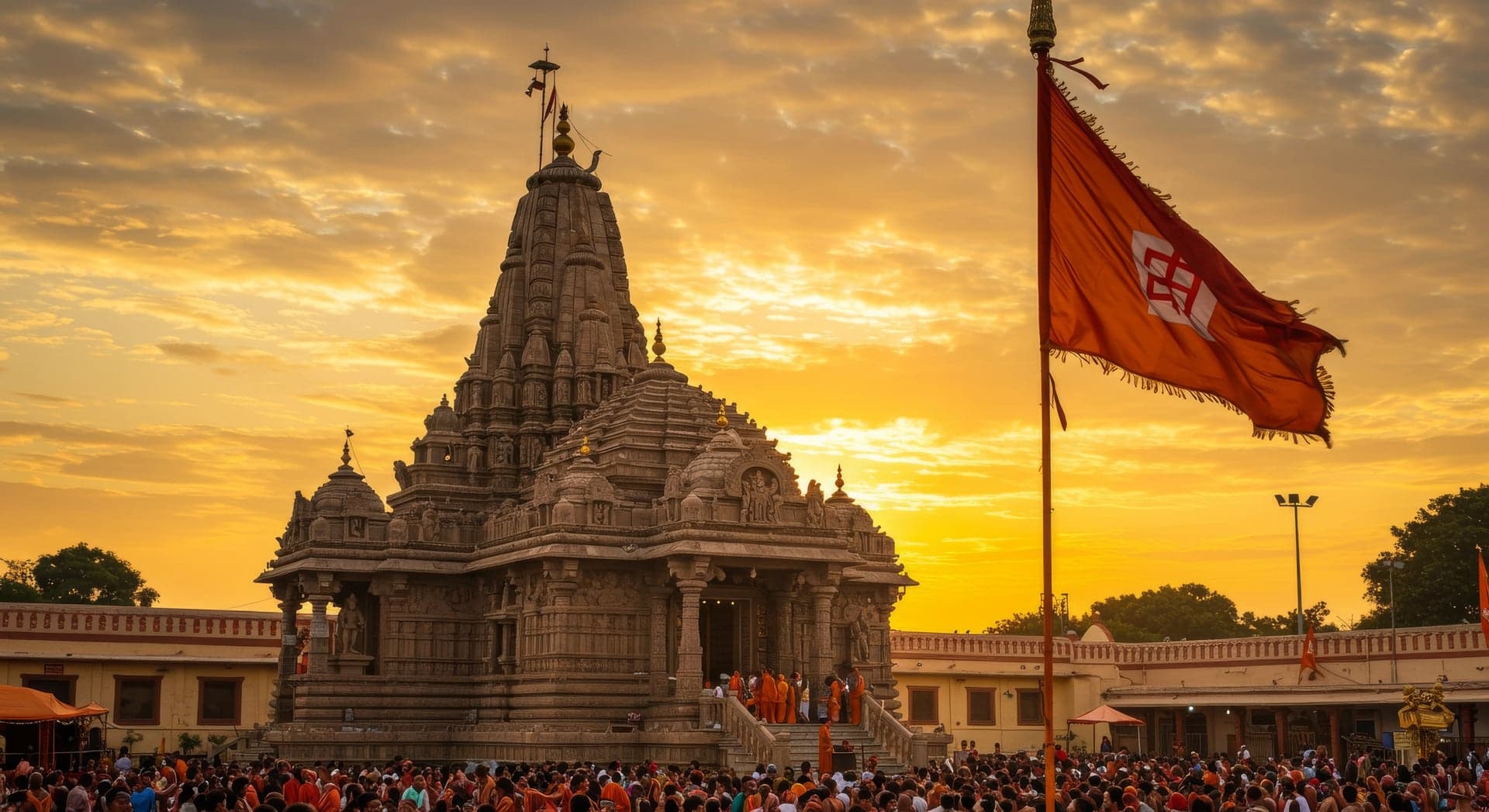
One of the most prominent landmarks in the city is the Rani Sati Temple Jhunjhunu. It's a massive, sprawling complex dedicated to Rani Sati, a figure revered by many in the Marwari community. The entire temple is built from gleaming white marble and is incredibly well-maintained. It's a huge pilgrimage site, and you'll see families from all over the country visiting.
Regardless of your own beliefs, it's an impressive place to see from an architectural standpoint. The courtyards are huge, the carvings are detailed, and there are smaller temples and paintings within the complex. It's a very active, living place of worship, which gives it a completely different energy from the quiet, empty havelis.
Practical Tips for Your Trip
So, how do you make this offbeat Rajasthan trip happen?
- Getting Around: The best way to explore the old city and its havelis is on foot. For longer distances, like getting to the temple or the fort, auto-rickshaws are cheap and easy to find.
- When to Go: Like the rest of Rajasthan, the best time is during the winter months, from October to March. The weather is pleasant and perfect for walking around. Summers are brutally hot, so it's best to avoid them.
- Extend Your Trip: Jhunjhunu is a fantastic base for exploring Jhunjhunu and the surrounding Shekhawati region. There are so many other fascinating places to visit near Jhunjhunu. The town of Mandawa, often used for Bollywood film shoots, is just an hour away (about 25 km). Nawalgarh is another town famous for its havelis. You could easily spend 3-4 days just hopping between these towns.
Ultimately, a visit to Jhunjhunu is for the curious traveler. It’s for the person who loves history, art, and the thrill of discovery. It’s about slowing down, looking closely, and appreciating the stories that are painted on the walls of a town that time seems to have gracefully passed by.