
So you're planning a wildlife safari in India for October? Since you're looking at 2026, you actually have plenty of time to plan this out. And honestly, you're going to need it.
Booking a safari in India isn't like booking a regular beach vacation. You can't just grab a flight and a hotel a few weeks out. The permit system here is intense. The logistics can be a headache. And where you decide to sleep actually makes or breaks the whole trip.
October is a really interesting time for the jungle. The monsoon usually wraps up in September. After being closed all summer, the gates finally unlock. It's absolutely stunning. The forest is electric green and washed clean of all the summer dust.
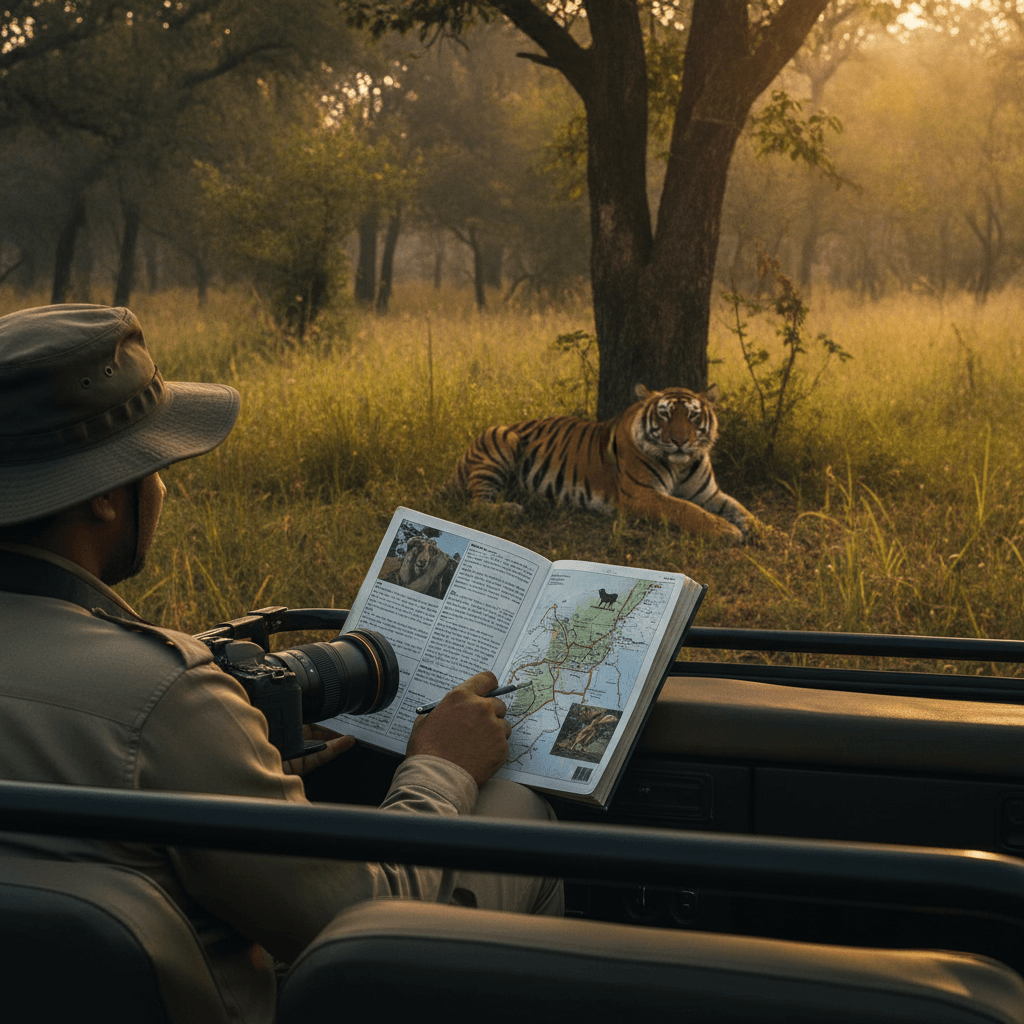
But here's the thing no one tells you on social media: all that thick, green vegetation makes spotting wildlife a lot harder. If you're coming solely to see a tiger and will be crushed if you don't, you need to set your expectations right. Tigers blend perfectly into that tall post-monsoon grass.
But I actually love going this time of year. The weather is transitioning. The mornings have a nice chill to them. And the massive winter crowds haven't hit yet.
Let's break down how to actually pull this off without losing your mind.
The Reality of When Things Actually Open
You have to check the exact dates for when the national parks open in October in India. It's not a universal thing. Some parks open on October 1st. Others, especially in central India, wait until October 15th.
And even then, sometimes the core zones stay closed if the monsoon ran late and washed out the dirt tracks. The forest department doesn't mess around with safety. If the roads are mud pits, they won't let jeeps in. Always plan your trip for late October just to be safe.
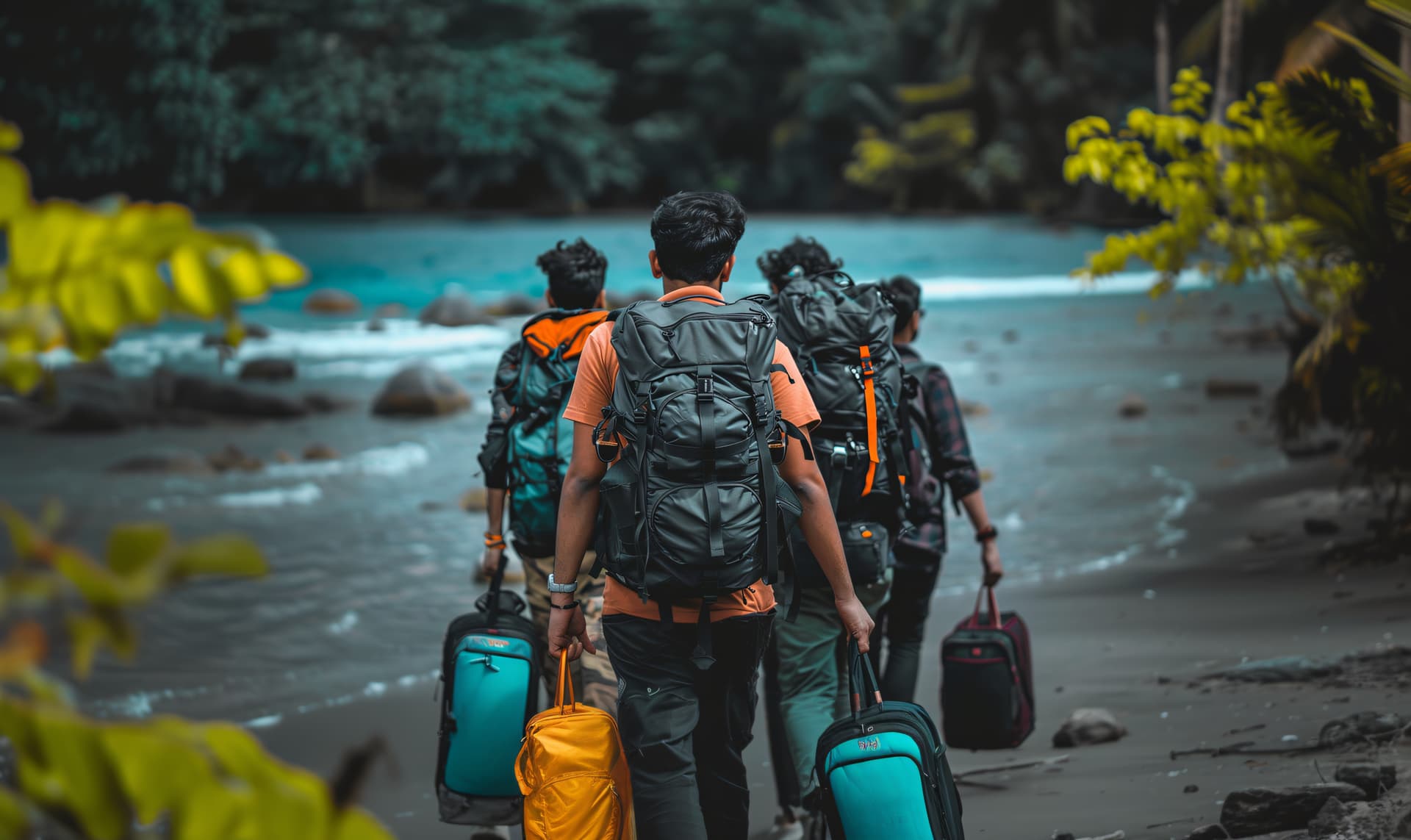
Getting to these parks is half the adventure. I use the word "adventure" loosely, because sometimes it's just exhausting. Most tiger reserves are literally in the middle of nowhere. You can't just fly directly into the jungle.
Ranthambore: The Easiest One to Get To
If you don't want to spend two days just in transit, Ranthambore in October is probably your best bet. It's in Rajasthan, which makes the logistics so much easier. You can fly into Jaipur, grab a cab, and be at your hotel in about three to four hours.
The roads are generally decent. Though you should definitely book a larger cab, like an Innova, rather than a small sedan. The post-monsoon potholes are real, and your back will thank you for the better suspension.
You can also take the train, which is my personal favorite way to do it. Indian Railways has gotten a lot better lately. You can catch a train from Delhi directly to Sawai Madhopur station, which is just minutes from the park gates. Taking the train saves you from traffic, and it's just a fun experience.
When it comes to places to stay in Ranthambore, the options are wild. This place has some of the most ridiculous ultra luxury hotels you'll ever see. We're talking massive private tents that look like something out of a 1920s royal hunting expedition, complete with personal butlers and sunken bathtubs.
If you have the budget, it's incredible. But if you don't, there are tons of solid budget hotels along the main road. Just know that the cheaper you go, the more you compromise on things like reliable hot water. And you will definitely want that after a freezing 5 AM safari.
Central India: For the Hardcore Wildlife Fans
If you want the best tiger safari October has to offer, and don't mind a rough commute, you need to look at Madhya Pradesh. Parks like Bandhavgarh, Kanha, and Pench have the highest tiger densities. The landscape is that classic Jungle Book vibe, with towering Sal trees and wide open meadows.
But getting there? It's a mission. You usually have to book a flight to a regional airport like Nagpur, Jabalpur, or Raipur. From there, you're looking at a three to five hour cab ride.
I cannot stress this enough: pre-book a reliable cab through your hotel or a trusted platform. Do not just land at the Jabalpur airport and expect to negotiate a three-hour intercity taxi ride in the dark. I did that once. I ended up in a dusty minivan with broken AC, and thought I was going to be stranded on the highway.
The accommodation scene in central India is very lodge-focused. This is where you really want to look for family friendly hotels if you're bringing kids. Safari schedules are weird. You wake up at 4:30 AM, you're in the park from 6 AM to 10 AM, and then you come back. The afternoon safari doesn't start until 3 PM.
That leaves a massive five-hour gap in the middle of the day. If your hotel doesn't have a pool, a nature library, or activities, you and your kids will be climbing the walls out of sheer boredom. A lot of the mid-range eco-lodges here are brilliant at filling that downtime with nature walks or pottery classes.
The Southern Alternative: Kabini and Nagarhole
If you want to skip the north and central Indian logistics entirely, look at Karnataka down south. The vibe is totally different. You fly into Bangalore, which has great international and domestic flight connections. From there, it's a smooth cab or bus ride down to Mysore and into the Kabini area.
Kabini is famous for leopards and elephants. And yes, that one famous black panther, if he's still around in 2026. The safaris here are unique because you can do them on the water. Taking a boat safari on the river while elephants graze on the banks is something you just can't do in Ranthambore.
Accommodation here is mostly run by the state government (Jungle Lodges & Resorts) or a few high-end private players. The state-run places might sound basic, but they actually hold the monopoly on the best safari timings and zones. It's a bit of a quirk of the system. So if you care more about the wildlife than high-thread-count sheets, book the government lodges.
Let's Talk About Where You're Sleeping
I mentioned this earlier, but I really need to drill it in: your hotel is your entire world on a safari trip. There is no "going into town for dinner." You are isolated in a buffer zone.
If you're using a travel platform to plan this out, don't just filter by price. Look closely at the meal plans. Most good safari lodges operate on an American Plan, meaning all meals are included. You want this. After a dusty, bumpy four-hour drive looking for animals, you do not want to go hunting for a restaurant. You want to walk into your resort's dining hall and find a massive buffet waiting for you.
For those looking at budget hotels, make sure you check reviews specifically from October. Why? Because post-monsoon, the bugs are everywhere. A cheap homestay might look charming in photos, but if they don't have proper window screens or mosquito nets, you are going to get eaten alive. Spend a little more for a place with sealed rooms and decent air conditioning, even if the weather feels cool outside. AC helps dehumidify the room, which is crucial after the rainy season.
If you're going for ultra luxury hotels, you are paying for the naturalists as much as the room. Places like Taj Safaris or the Sujan properties hire incredible wildlife experts who ride in the jeep with you. They spot things a regular guide might miss, like the alarm call of a deer or fresh pugmarks in the mud. I think that alone makes the splurge worth it, if it's a once-in-a-lifetime trip.
A Few Random But Necessary Tips for 2026
Here are some things that usually trip people up when they plan these trips.
First, the booking window for safari permits opens about 120 days in advance, depending on the state. For October 2026, you need to have your accounts set up and be ready to book in June or July. The best zones sell out in literal seconds. It's like buying concert tickets. If your hotel offers a service to book the permits for you, pay the extra fee and let them deal with the headache.
Second, don't take an overnight bus to a safari destination unless you absolutely have to. I know they look cheap and convenient. But the roads leading to national parks are rural and winding. You won't sleep a wink, and you'll arrive for your 6 AM safari feeling like a zombie. Stick to trains or daytime flights.
Lastly, pack layers. Everyone thinks India is just permanently hot. But driving in an open-top gypsy at 6 AM in October? The wind chill is brutal. You'll be shivering in a heavy jacket, and by 9:30 AM, the sun will be blasting and you'll want to be in a t-shirt.
Anyway, that's the reality of a post-monsoon jungle trip. It requires a bit more patience with the logistics and the tall grass. But seeing the forest that vibrant and alive is completely worth it. Just lock in your flights early, pick a hotel that won't bore you to death in the afternoons, and let me know if you need help narrowing down the specific parks!