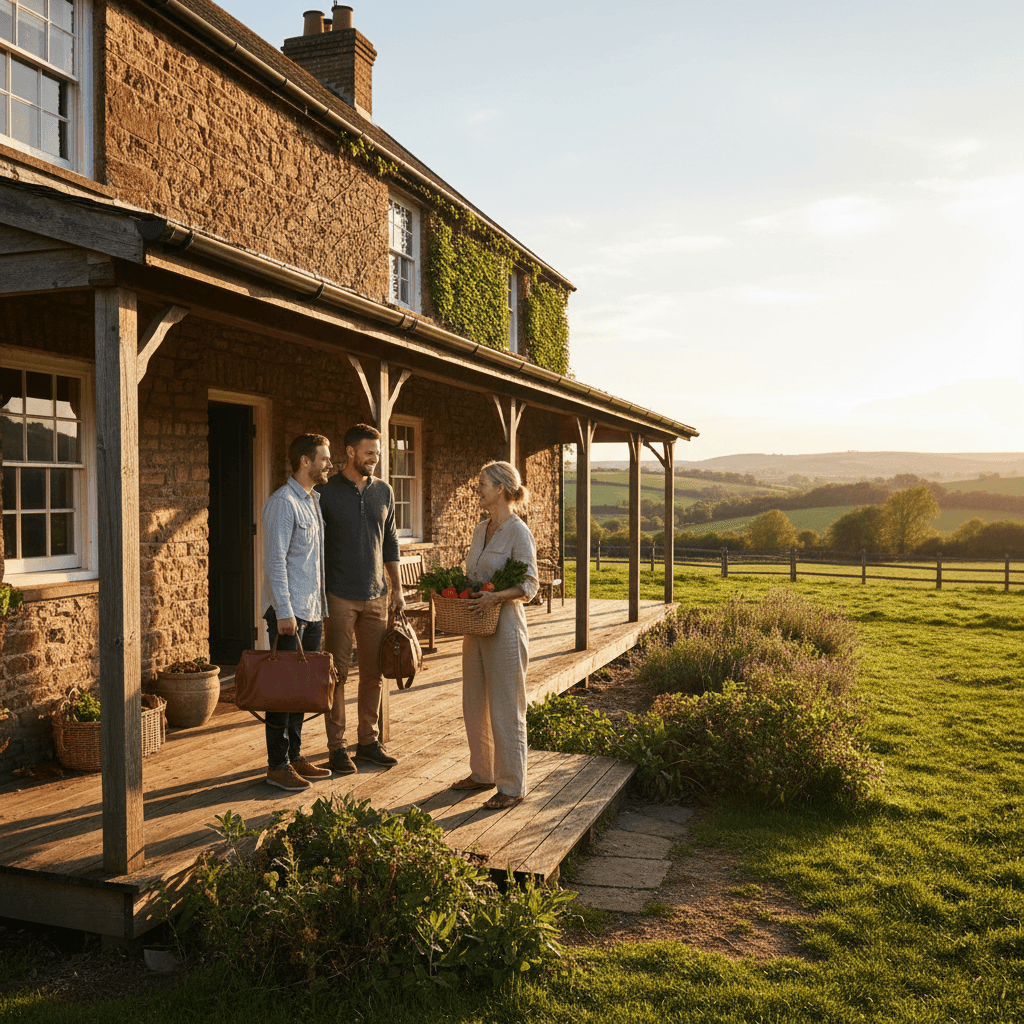

Let's be honest, hotels are starting to feel a bit too familiar. I've spent plenty of nights in perfectly fine, perfectly boring hotel rooms where the only defining feature is whether the carpet is blue or brown. Lately, though? I find myself endlessly scrolling through listings for a good farmhouse stay. There is just something incredibly appealing about waking up, drinking coffee on a wrap-around porch, and not hearing a single car horn.
But booking a rural trip isn't quite the same as grabbing a city center hotel room for the weekend. The reality of staying on a farm involves a lot more variables than most people expect. If you're tired of the usual accommodations and want to trade the concrete jungle for actual dirt roads, I've got some thoughts on how to make it work without ending up in a horror movie setting.
Working farms versus aesthetic farms
Here's the thing a lot of booking platforms don't make obvious right away: there's a massive difference between a working agricultural property and a house that just happens to be built in a modern farmhouse style. When friends ask me how to find a "farm house stay near me," my first question is always about what kind of farm they actually want.
If you book a working farm, you are stepping into someone's active livelihood. That means tractors firing up at 5:30 AM. It means the very distinct, let's call it "earthy," smell of livestock. It means farm dogs that might bark in the middle of the night because a coyote got too close to the fence. For a lot of families, this is exactly the charm they're after. Kids love feeding chickens or watching cows get milked, and hosts of these properties are usually thrilled to show you the ropes.
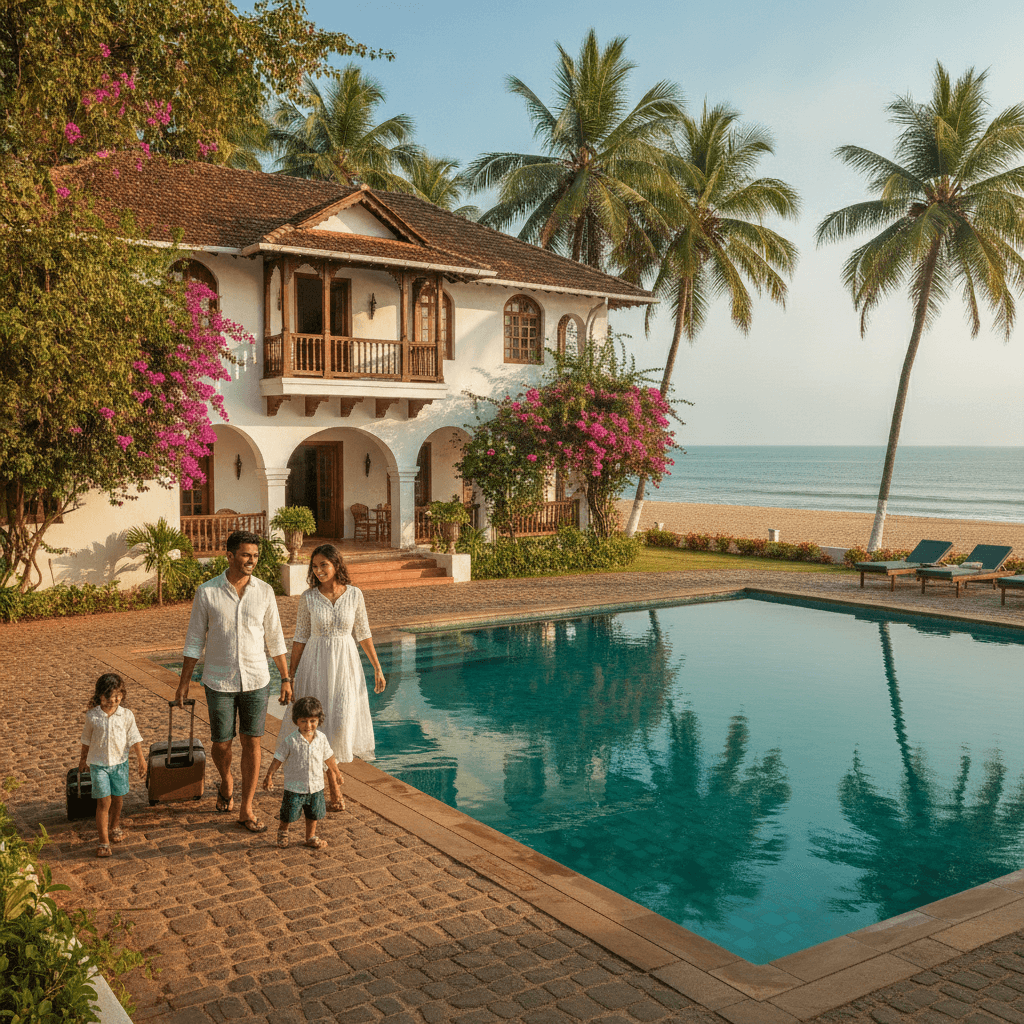
On the flip side, maybe you just want the look of the country without the chores. This is where luxury farm stays come in. These are usually converted barns or historic estates where the only agriculture happening is a neatly manicured vineyard or an ornamental apple orchard. You get the exposed wood beams, the massive stone fireplaces, and the clawfoot tubs, but you also get high-speed WiFi and thread-count sheets that probably cost more than my rent. Neither option is wrong, you just need to know which one you're paying for before you arrive.
The logistics of isolation
Look, I love the idea of being secluded. But seclusion means you can't just order Thai food on an app at 9 PM when you get hungry. When you're looking at farms to stay at, you really have to factor in the geography.
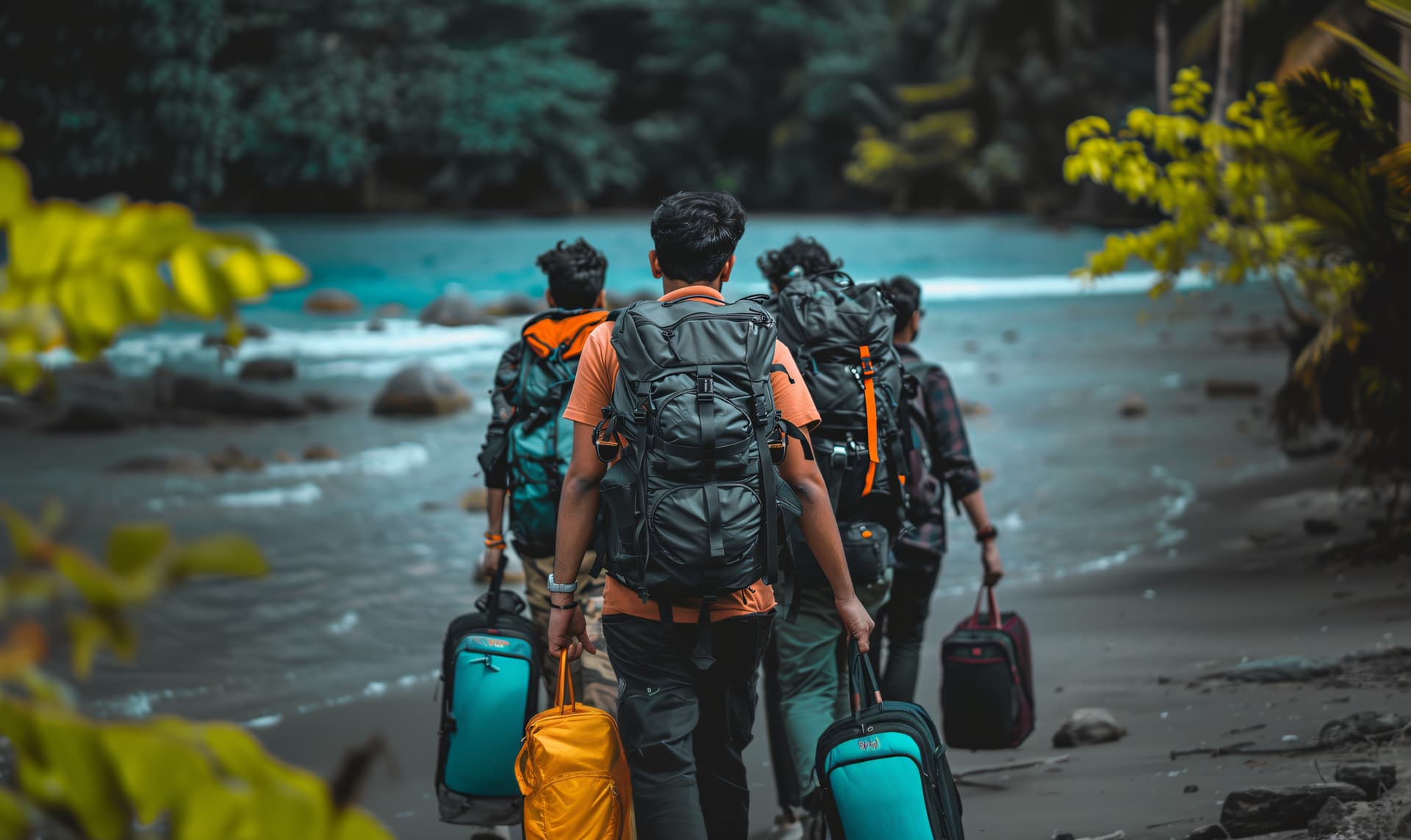
Most genuine rural stays are at least twenty to thirty minutes from a decent grocery store, and even further from a restaurant that serves more than fried food and domestic beer. I always tell people to treat a farm stay like a cabin trip. Bring your groceries with you. And honestly, bring your own spices and cooking oils. Nothing is more frustrating than planning to cook a beautiful local steak in a massive country kitchen only to realize the host hasn't left any salt or olive oil in the pantry.
Also, let's talk about the roads. If you're searching for a farm house for stay near me on a map, switch to the satellite view. Is the road paved? Is your sedan going to handle a heavily rutted dirt driveway if it rains? I once had to abandon a rental car at the end of a long gravel driveway and drag my suitcase through the mud because I didn't think to ask the host about the road conditions after a storm. Learn from my mistakes.
Navigating the booking platforms
Finding the right place can actually be kind of frustrating. You'd think searching for "farm house near me for stay" would yield simple results, but the algorithms on most travel sites are weirdly broad. You'll often end up looking at standard suburban houses that just happen to sit on a half-acre of grass.
If I'm looking for a farmhouse airbnb, I usually skip the standard search bar and go straight to their specialized categories, or I use the map feature to zoom way out of city limits. You have to read the descriptions carefully. The best farm stays usually have hosts who are very upfront about the quirks of their property. If a host mentions that the Wi-Fi is spotty, believe them. If they say the stairs to the loft are steep, assume they mean you'll practically be rock climbing.
Reviews are your best friend here, but you have to read between the lines. A review complaining about "too many bugs" on a farm stay in July is just a city person who didn't understand what they were booking. But a review mentioning that the host's dogs are aggressive or that the well water smells like sulfur? That's the stuff you need to pay attention to.
Who are you traveling with?
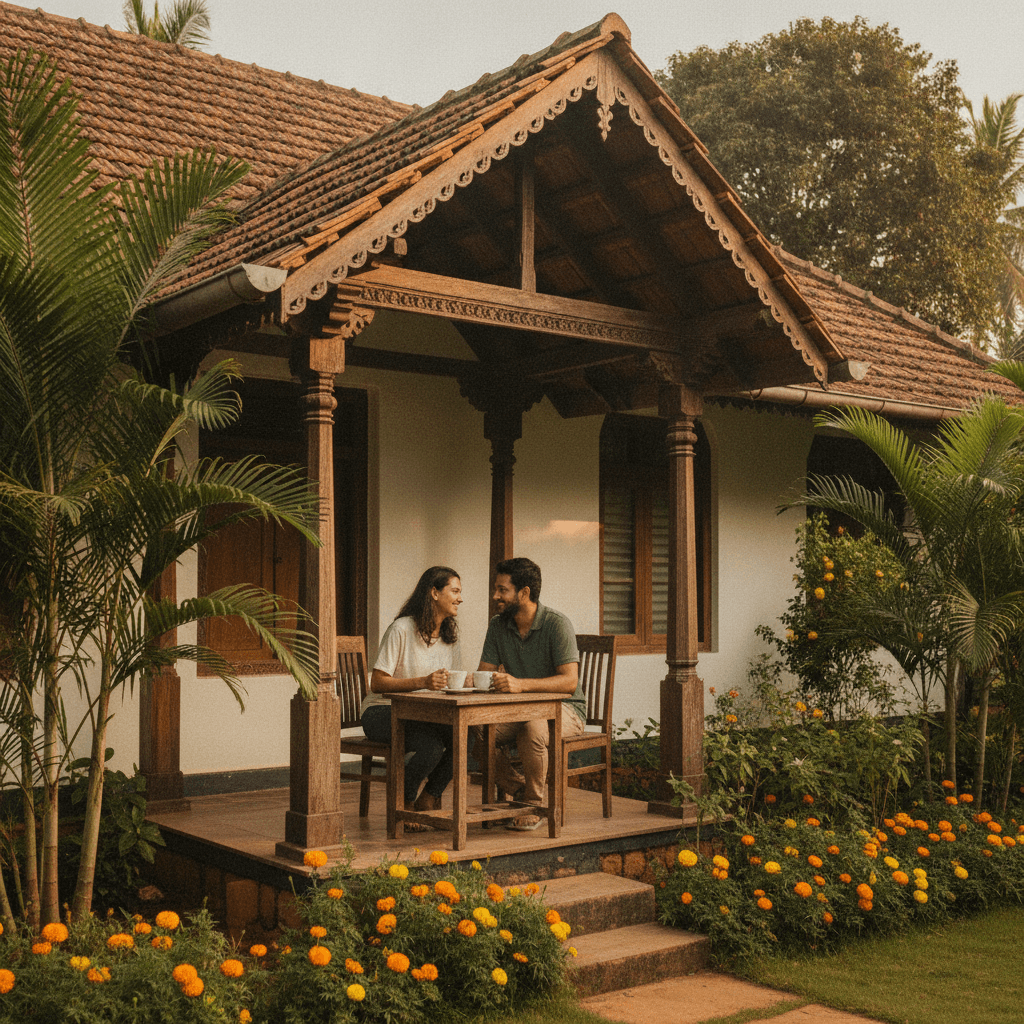
The type of property you book should completely depend on your group. Finding a farmhouse for couples is usually pretty easy. You want a standalone structure, maybe a converted silo or a small shepherd's hut. Privacy is the main goal here. You don't want to share a wall with the main farmhouse if you're trying to have a romantic weekend, because rural houses are notoriously drafty and lack soundproofing.
If you're bringing a group of friends, you need to think about bathrooms. Old farmhouses were not built with modern plumbing ratios in mind. It is incredibly common to find a beautifully restored four-bedroom farmhouse that only has one bathroom tucked under the stairs. Trying to get six adults showered and ready in the morning with a single vintage water heater is a great way to ruin friendships.
Is one night enough?
Sometimes you just hit a wall at work and desperately need to see some trees. The impulse to look for a farm house for one day stay is totally understandable. But I'm going to be perfectly honest with you: one-night rural stays are rarely worth the effort.
By the time you drive out of the city, navigate the back roads, unpack your groceries, and figure out how to operate the antique wood-burning stove, it's basically evening. You sleep, wake up, and suddenly you have to pack, clean up, and check out by 11 AM. You don't actually get the benefit of slowing down.
If you can swing it, always book at least two nights. The magic of a farm stay doesn't usually hit until that first full morning when you don't have anywhere to be. That's when you actually sit on the porch, watch the mist burn off the fields, and realize you haven't looked at your phone in three hours.
Managing your expectations
I think the biggest mistake people make with rural travel is expecting hotel perfection in a natural environment. Old houses creak. Floors are going to be uneven. You might find a spider the size of a golf ball in the bathroom. The hot water might take three full minutes to reach the showerhead on a cold morning.
If you're preparing for a trip, here are a few things I genuinely recommend asking the host before you book:
- Is the water safe for drinking, or is it heavily mineralized well water? (You might need to bring bottled water).
- Are there any active farm operations happening near the guest house during our dates?
- What is the heating/cooling situation? (A lot of historic farmhouses rely on window AC units or wood stoves, which require some manual effort).
None of these things are dealbreakers, they just require a slight shift in mindset. A farmhouse stay isn't about perfectly curated luxury, even when you're paying a premium. It's about stepping out of your normal routine and experiencing a different pace of life.
So the next time you're planning a trip and find yourself yawning at the same standard hotel listings, try looking a little further out on the map. Find a place with a little too much mud, a sky full of stars, and absolutely zero traffic noise. It might just be the best trip you take all year.