
Hey! So You Wanna Go to Coorg?
Okay, so you asked me about Coorg. Specifically, about going during the coffee harvest. My immediate answer? YES. Do it. But, and this is a big but, you gotta do it right. It’s not one of those places you can just show up and expect a perfect trip to fall into your lap. It’s a vibe, you know? It’s slow, it’s green, and it smells incredible. But planning is key.
I’ve been a couple of times, and the trip I took during the harvest was just… different. The whole region comes alive in this really specific, quiet way. It’s less about frantic sightseeing and more about just sinking into the landscape. So yeah, I’m gonna break down everything I’ve learned—the good, the slightly inconvenient, and the absolutely unforgettable. Think of this as the advice I wish I had before my first time there.
First Things First: When and What *Is* the Harvest?
Look, the timing is everything. If you want the full-on Coorg coffee experience, you need to aim for the right window. Generally, you’re looking at November through February. That's when the magic happens. The coffee plants, which are honestly just these pretty green bushes the rest of the year, are suddenly dotted with these bright red, cherry-like fruits. It's beautiful.
This is the coffee picking season in Karnataka, and you’ll see workers out in the fields with their baskets, selectively picking the ripe cherries by hand. It’s a ton of work. The air gets this faint, sweet, fruity smell mixed with the scent of the damp earth and pepper vines that are often grown alongside the coffee. It’s a sensory overload in the best way possible.
Just a heads-up, there are two main types of coffee grown there: Arabica and Robusta. The Arabica harvest is usually a bit earlier, starting around November, while Robusta picking can go all the way into March. So if you go in, say, December or January, you’re pretty much guaranteed to see some action. This whole period is what people mean when they talk about the Coorg harvest season. It’s when the plantations are buzzing.
Where to Stay: The Great Homestay vs. Resort Debate
Okay, this is probably the most important decision you'll make. Where you stay completely defines your trip in Coorg. You’ve basically got two main paths: the cozy, authentic homestay or the polished, full-service resort.
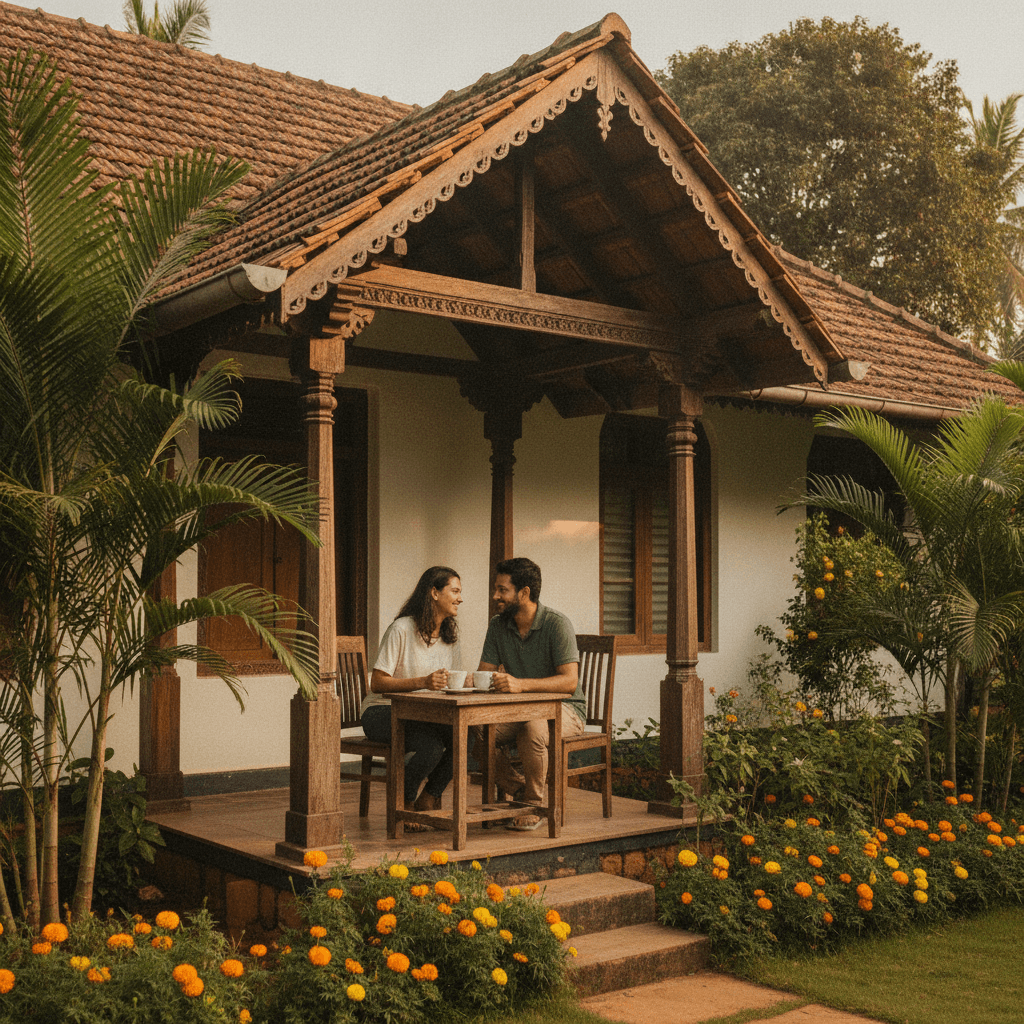
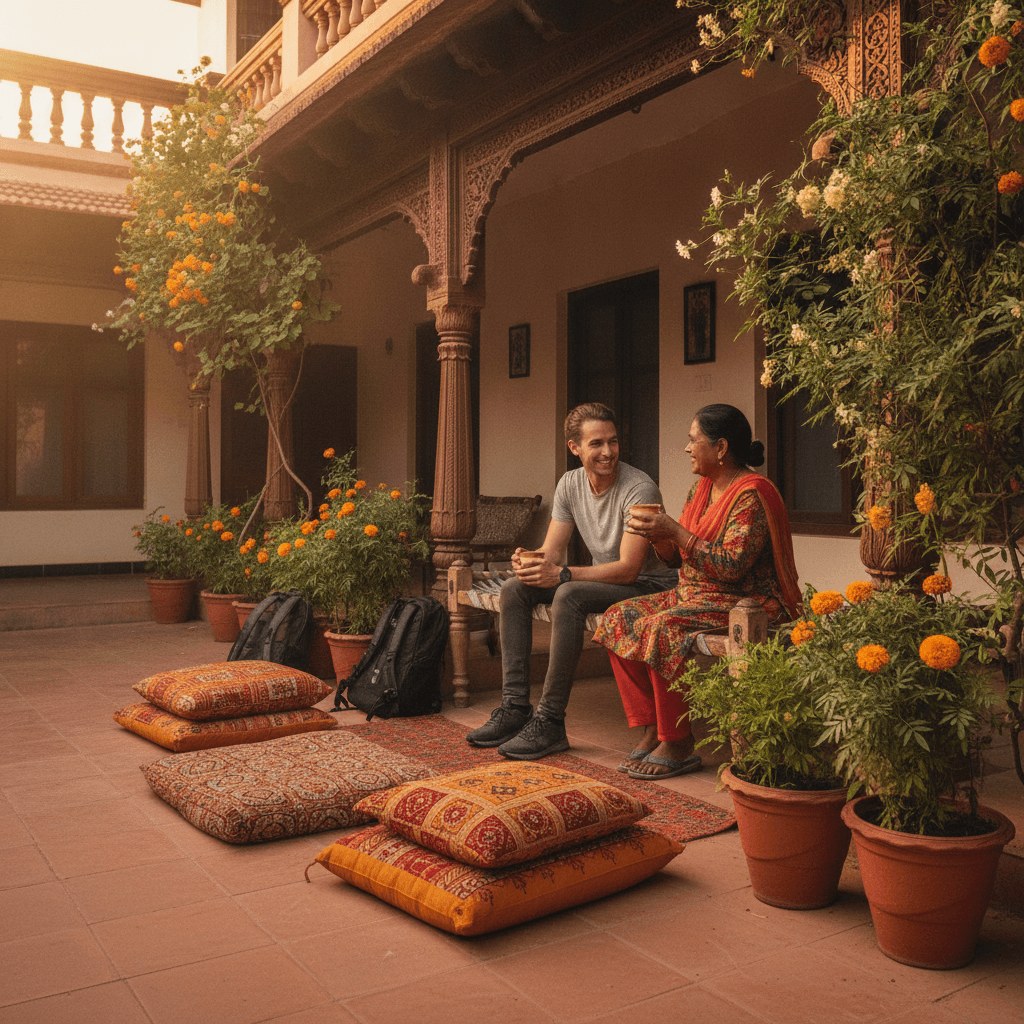
Here’s what works for me: a homestay. Every time. Especially if you’re there for the coffee. Staying at a homestay run by a family of planters means you're not just visiting a coffee plantation; you’re living on one. You wake up, walk out the door, and you are literally surrounded by coffee plants. The hosts are usually third or fourth-generation owners, and their stories are incredible. They’ll walk you through their property, explain the whole process, and you’ll drink coffee made from the beans grown right outside your window. The food is also a huge plus—real, home-cooked Kodava cuisine. It's an experience you just can't get at a hotel.
And honestly? The best coffee plantations in Coorg aren't the big commercial ones; they’re these smaller, family-run estates where you can stay. The downside? It's more rustic. Your Wi-Fi might be sketchy, you probably won't have a pool, and you’re eating what the family is cooking. But for me, that’s the whole point.
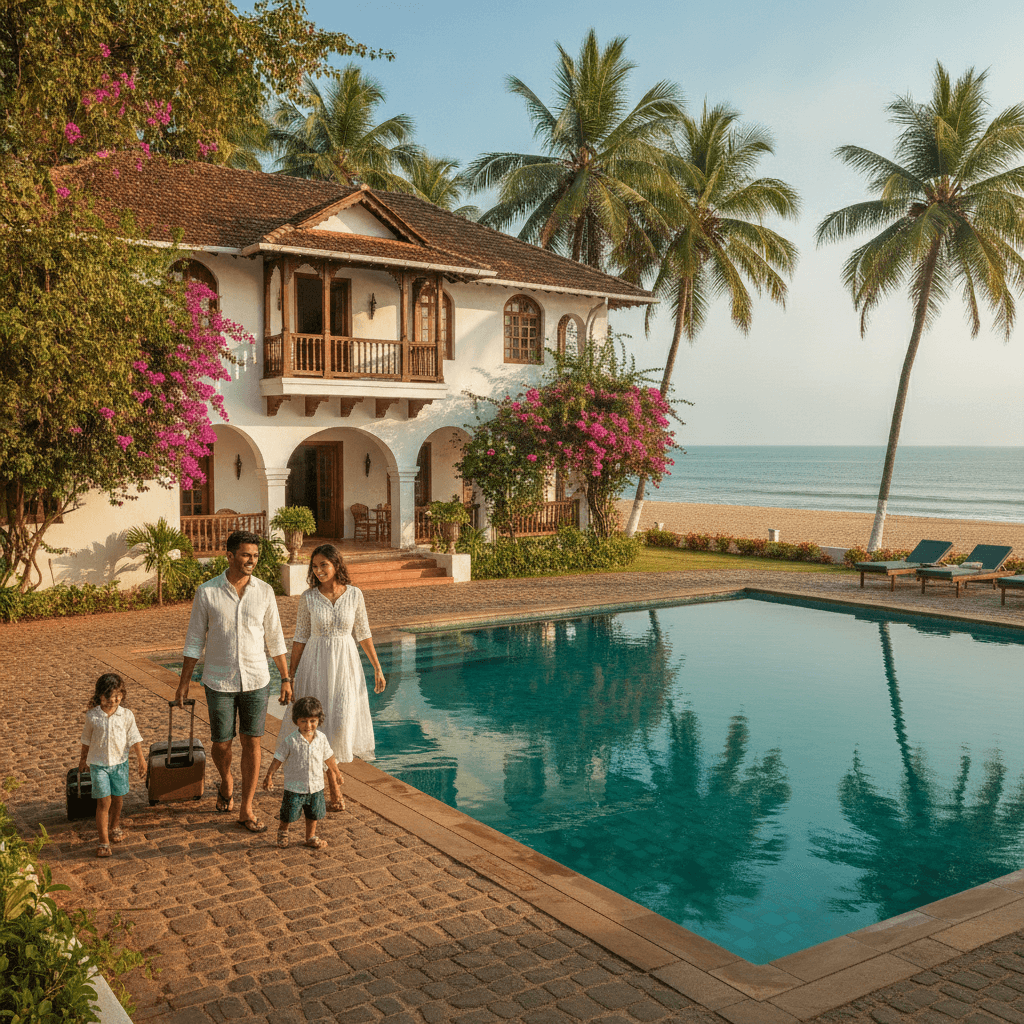
Now, there's nothing wrong with a resort. If you want a more pampered vacation with a spa, a swimming pool, and a multi-cuisine restaurant, go for it. A lot of the big resorts in Coorg have their own little coffee plots and offer curated “plantation tours.” It’s a great option if you’re traveling with family or just want more amenities. It’s a more controlled, polished experience, which is totally fine! It just depends on what you're looking for.
The one non-negotiable piece of advice: book way, way in advance. The best homestays, the ones with rave reviews, get filled up months ahead of time for the coffee harvest season in Coorg. Seriously. Don't wait until the last minute.
So, What Do You Actually *Do* Besides Drink Coffee?
A lot, actually! But it's all pretty chill. Don't expect a packed itinerary.
The main event, obviously, is the plantation tour. If you're at a homestay, this might just be the owner taking you for a long walk. They'll show you how to tell a ripe cherry from an unripe one, explain the difference between their Arabica and Robusta plants, and point out the pepper vines, cardamom, and vanilla that grow in the shade of the larger trees. Some places will even let you try your hand at picking. It's fun for about five minutes, and then you realize how much skill and patience it takes.
After the picking, you get to see the processing. This is the part that totally demystified coffee for me. You see the pulping machines that remove the fruit, the massive patios where the beans are raked and dried in the sun, and the final sorting process. The whole “bean-to-cup” thing stops being a marketing slogan and becomes a real, tangible process. And of course, it usually ends with a coffee tasting session. Freshly roasted, freshly ground coffee made right there… it ruins you for all other coffee.
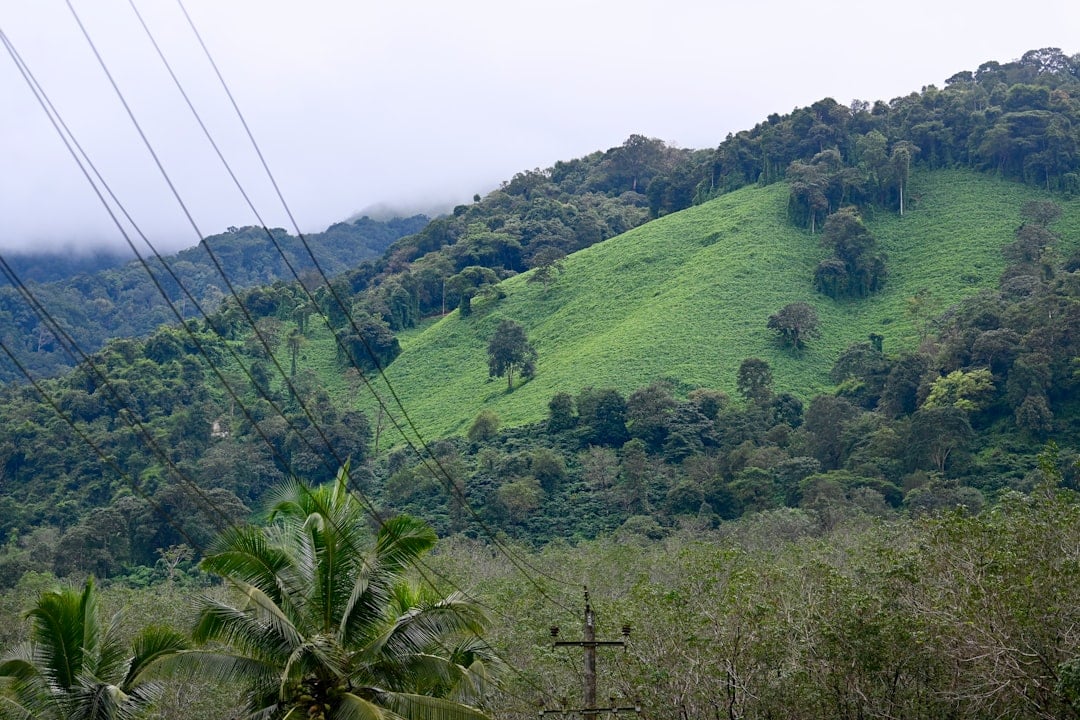
But you should definitely pull yourself away from the plantation for a bit. Check out Abbey Falls, especially after the monsoon when it's really roaring. Go to Raja’s Seat in Madikeri for a killer sunset view over the hills. And if you're a nature person, a drive through the winding roads is an activity in itself. The landscape is just stunning. My advice is to not overschedule. Pick one thing to do each day and spend the rest of your time just relaxing, reading a book on the verandah, and, well, drinking coffee.
The Real Talk: Logistics, Packing, and Other Stuff
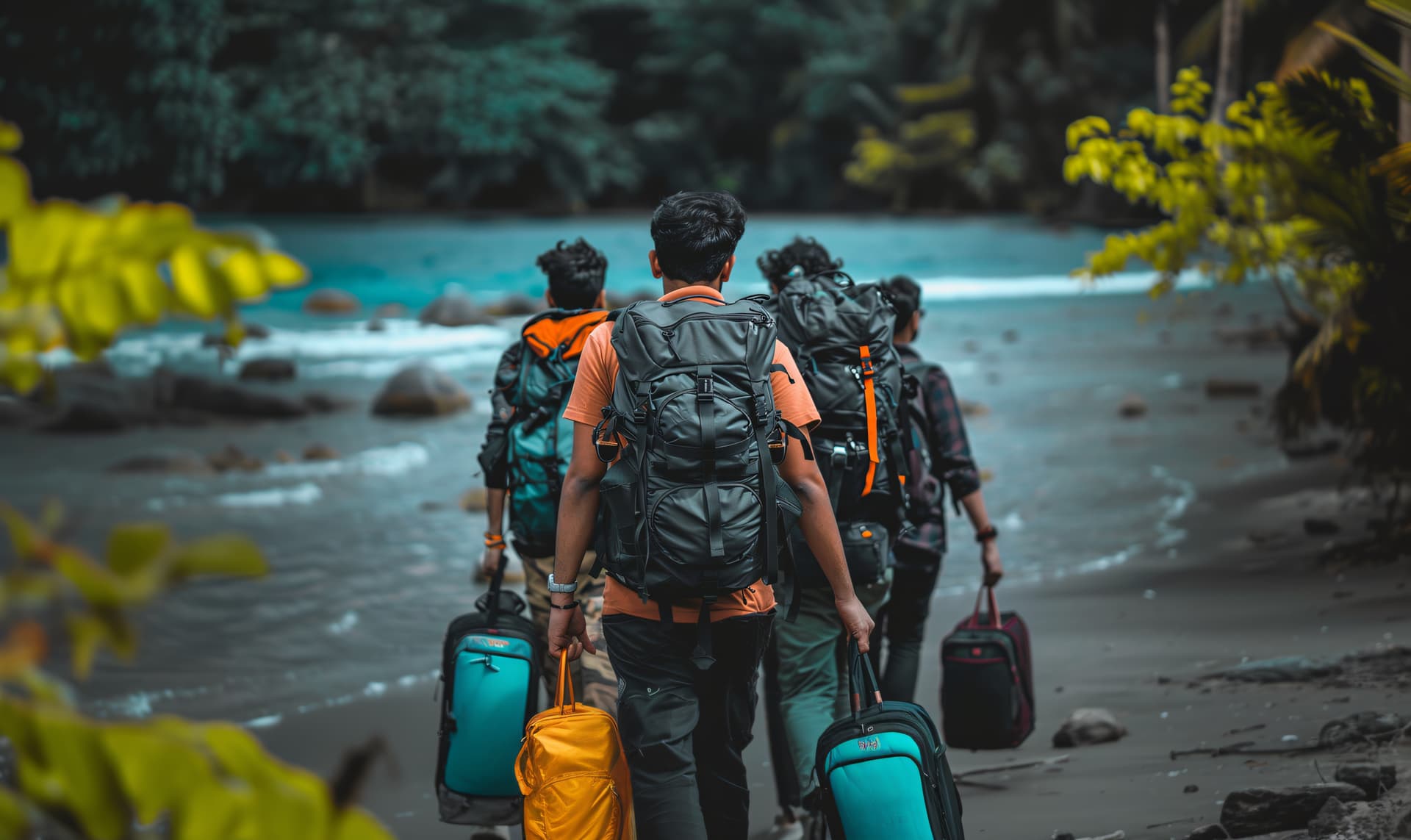
Coorg is a bit of a challenge to get to and get around, so you need a plan. The nearest airports are in Kannur and Mangalore, and the nearest major train station is in Mysore. From any of these places, you’re looking at a 3-4 hour drive. The best bet is to hire a car and driver for your whole trip. It seems like a splurge, but public transport is limited, and the estates can be really remote. Having a driver gives you the freedom to explore without the stress of navigating winding hill roads.
Be prepared to disconnect. Cell service and Wi-Fi can be… temperamental, to put it mildly. I see it as a feature, not a bug. It forces you to actually put your phone down. Just download your maps and music beforehand and let people know you might be off the grid for a bit.
As for packing, think practical. You're not going to a city. Here's a quick list of what I'd consider essential:
- Good walking shoes: Non-negotiable. Plantations are muddy and uneven.
- Layers: The days are pleasant, but the mornings and evenings get genuinely chilly, especially in December and January. A good jacket or fleece is a must.
- Insect repellent: You're in nature. There will be bugs.
- A book: For those quiet evenings when there’s nothing to do but listen to the cicadas.
- Cash: Don't assume every little shop or cafe will have a card machine or reliable GPay.
My Final Two Cents on Making It Worth It
Here's the thing. A trip to Coorg during the harvest season isn't about checking things off a list. It’s about slowing down and paying attention. It’s about the smell of coffee blossoms at night, the taste of food cooked with love, and the sound of silence broken only by birds.
My biggest piece of advice is to talk to people. Ask your homestay host about their family history, ask the plantation workers about their lives (if you can bridge the language gap), just be curious. The stories are what make the place special. This is the heart of the true Coorg coffee experience—it's not a product, it's a culture.
So yeah, go. It’s one of the most peaceful and restorative trips you can take in India. Just book ahead, pack smart, and go in with an open mind and an empty coffee cup. You’ll love it.