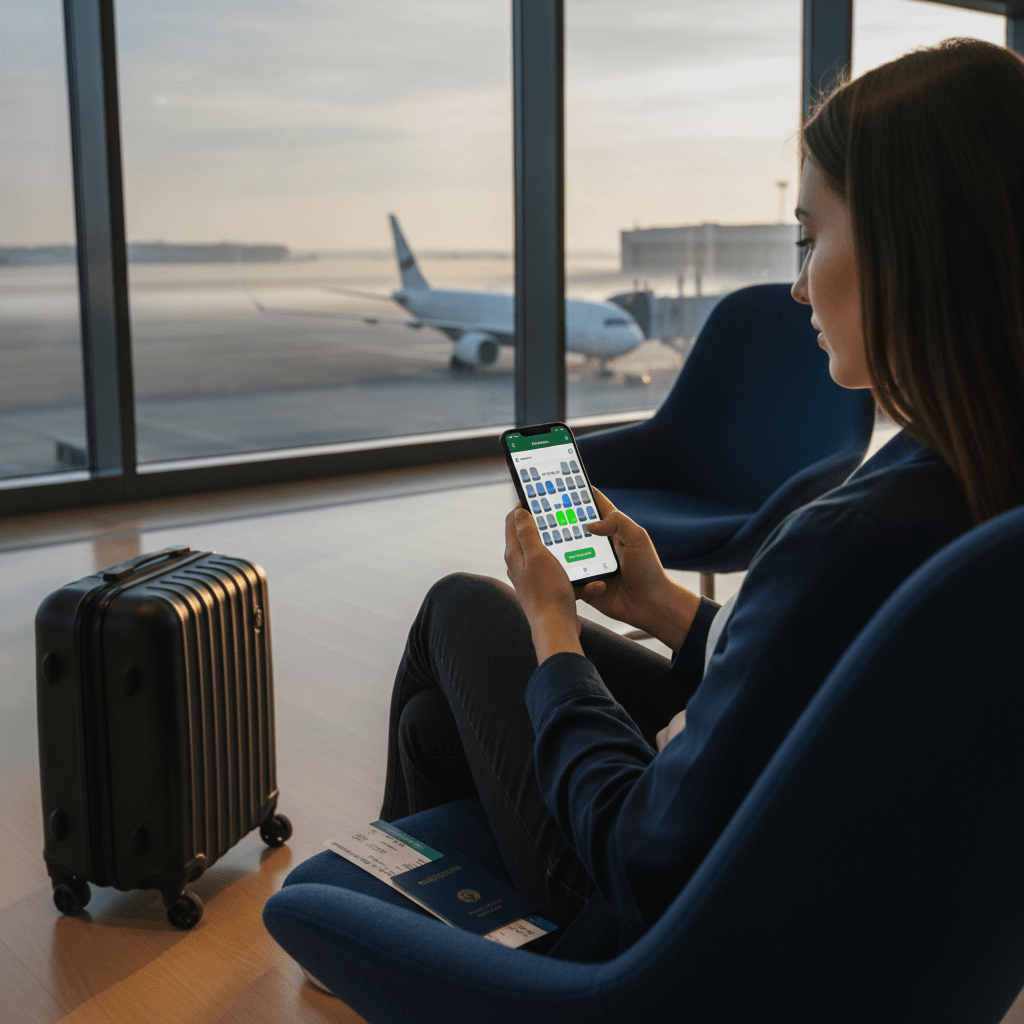

Yes, you can almost always pick your seat after booking. Most people don't realise how easy it is. Go to the airline's website or app, open Manage Booking (sometimes called My Trips), enter your PNR and last name, and look for a Seats or Add-ons option. That opens the seat map, where you pick what you want and pay if there's a charge. If you booked through a travel site rather than directly with the airline, the same PNR still works on the airline's site. Seat selection is controlled by the carrier, not by whoever sold you the ticket.
That's the short version. The longer version matters because seat fees, free web check-in seats, and those annoying "seat unavailable" messages trip people up all the time. If you haven't booked yet, it's worth comparing fares on flights with the seat cost in mind. A cheap fare plus a ₹600 seat isn't always cheaper than a slightly higher fare with seats included.
Where to actually go to select flight seats
You've got three realistic routes, and which one works best depends on how you booked.
The airline's website or app. This is the most reliable option. IndiGo, Air India, Akasa, SpiceJet, Emirates, Singapore Airlines and pretty much everyone else let you add or change seats under Manage Booking. The app is usually smoother than the mobile website, and I'd recommend it if you fly the same airline often.
The booking platform. Some travel sites let you add seats from your booking page. That's convenient, but the seat map sometimes lags behind the airline's real-time availability. If a seat shows as taken on the platform but you suspect it isn't, check directly with the airline.
Web check-in. This usually opens 24 to 48 hours before departure, depending on the airline. If you haven't picked a seat yet, check-in is when you'll be asked to choose one or get one assigned automatically. More on the free-seat situation below.
If your PNR isn't working on the airline's site, the usual causes are a typo in the surname, a booking that hasn't finished ticketing yet, or a codeshare ticket. In the codeshare case, try the operating carrier's site instead. If you're still stuck, reach out through the booking platform's help and support page so they can confirm the airline PNR. Sometimes it's different from the booking reference in your confirmation email.
What airline seat selection actually costs (and when it's free)
Here's the thing nobody tells you clearly: "free seat" and "preferred seat" mean very different things depending on the airline.
On Indian low-cost carriers, almost every seat now has a price attached if you choose it early. Standard middle and back-row seats might run a few hundred rupees. Window and aisle seats near the front cost more. Extra-legroom exit rows and the first couple of rows can go well past ₹1,000 on longer domestic sectors. Prices change by route and demand, so treat these as ballpark figures rather than fixed numbers.
Full-service airlines tend to include standard seat selection in most economy fares. The cheapest "lite" or "saver" fare buckets are the exception, since they often charge for seats or only let you pick at check-in. Premium spots like bulkheads and exit rows usually cost extra regardless.
So when is it actually free? Usually at web check-in, when the airline releases whatever seats are left that don't carry a fee. The catch is that by then the good free seats are mostly gone, and you're likely picking between middle seats. On a 1-hour flight, honestly, I just wait and take what's free. On a 3-hour-plus flight, or a red-eye, I'll pay for an aisle without thinking twice.
One more option to keep in mind: some fare bundles (the "Flexi" or "Plus" style fares) and certain holiday packages include seat selection. If you were going to pay for a seat and a meal anyway, the bundle sometimes works out cheaper than adding them separately as post-booking add-ons.
Reading the airline seat map without getting burned
The seat map looks simple, but a few things catch people out.
- Exit rows come with rules. You need to be 15 or older (exact age rules vary by airline), able-bodied, and willing to help in an emergency. You also can't keep your bag at your feet during takeoff and landing. Many exit-row seats don't recline either, especially the row just in front of the exit.
- The last row often doesn't recline and sits right next to the toilets. It's cheap for a reason.
- Bulkhead seats have legroom but no under-seat storage, and the armrests usually don't lift because the tray table is inside them.
- Window seats sometimes have no window. Some rows line up with a wall panel. If the view matters, check a seat-review site for your exact aircraft type before paying.
Also, aircraft swaps happen. If the airline changes the plane, your seat number might move. Your paid seat should be honoured or refunded, but you'll sometimes have to ask. Check your booking a day or two before you fly so you're not surprised at the gate.
When the seat you want shows as unavailable
This is the most frustrating part of flight seat booking, and there are a few reasons it happens.
Airlines block certain seats for passengers with reduced mobility, families with infants (bassinet rows), crew, or elite frequent flyers. Some of those blocked seats get released closer to departure, usually around check-in time. So if the aisle you wanted is greyed out today, check again 24 hours before the flight. I've grabbed decent seats this way more often than you'd expect.
If you're travelling as a group on separate bookings, the system won't know to keep you together. Either book on one PNR next time, or have everyone pick seats as soon as they book, before the good blocks disappear. Don't count on swapping seats on board. Some people will happily swap, but plenty won't, and the cabin crew can't force anyone.
And if a seat simply won't save, with the payment going through but no seat showing up, take a screenshot and contact the airline before check-in closes. Glitches happen. Sorting them out from the airport counter is far more stressful than doing it the evening before.
Special situations: kids, codeshares, and long-haul trips
Flying with children. In India, DGCA guidelines say airlines should seat children under 12 next to at least one parent or guardian on the same booking without charging extra. In practice, you may need to request this or contact the airline if the system splits you up automatically. Don't just pay for seats to fix it before you've asked.
Codeshare and partner flights. If you booked with one airline but the flight is operated by another, seat selection usually happens on the operating airline's site. This confuses a lot of people on international trips with connections.
Long-haul travel. For anything over six hours, I'd pick seats early, even if it costs a bit. Being stuck in a middle seat for 10 hours is miserable. If you're planning a big international trip, it's also smart to sort out travel insurance at the same time. Paid seats and other add-ons are usually non-refundable if your plans change, and insurance can soften that hit depending on the policy.
A small but useful habit: once your seats are sorted, line up the rest of the trip. If you're landing late, having your hotels booked close to the airport saves a lot of hassle. Families or groups might find a villa or apartment through stays more practical than several hotel rooms.
My honest take on whether paying for a seat is worth it
Look, I don't think you need to pay for a seat on every flight. For short domestic hops, waiting for web check-in and taking the free option is perfectly fine for most solo travellers. You'll probably get a middle seat, and you'll survive.
But I'd pay without hesitation if:
- The flight is over three hours or overnight.
- You're tall and need legroom. Exit rows are worth every rupee here.
- You have a tight connection and need to get off the plane fast.
- You're travelling with someone and actually want to sit together.
The one thing I'd avoid is panic-buying an expensive "preferred" seat the moment you book a short flight. Check the seat map, see what's left, and decide based on how long you'll be sitting there. And always double-check your booking a day before departure. Aircraft changes and seat reassignments are more common than airlines admit.
If you're still in the planning stage, compare fares on flights with the total cost in mind, seats and bags included. For bigger trips, a bundled holiday package can take some of these little decisions off your plate. Want ideas on where to go next? Browse our travel ideas for some inspiration.