
I was trying to book a place in Lisbon last month and honestly, my head started spinning. Ten years ago, finding a place to stay was pretty straightforward. You booked a standard hotel room if you had the budget, grabbed a hostel bunk if you were backpacking, and maybe found a nice bed and breakfast if you were traveling with your grandparents. That was pretty much the whole menu.
Today? The options are endlessly complicated, but also completely fascinating. You've got boutique apart-hotels, glamping pods, luxury hostels, vacation rentals with wildly specific house rules, and traditional hotels desperately trying to act like they aren't traditional hotels. The entire landscape of where we sleep when we leave home is shifting under our feet.
I spend a ridiculous amount of time looking at stays industry trends, partly because it's my job, but mostly because I'm genuinely obsessed with how travel is changing. People don't just want a bed and a tiny bar of soap anymore. We expect our accommodations to solve our specific travel problems. We want them to fit into our lives seamlessly, whether we're traveling for a strict weekend vacation, working remotely for a month, or doing some messy combination of both.
Look, the reality is that the way we travel has fundamentally changed. And because of that, the places we stay have to change, too. Here is what I'm noticing right now about how travel accommodation is actually evolving on the ground, past all the shiny marketing talk.
The Blur Between Living and Visiting
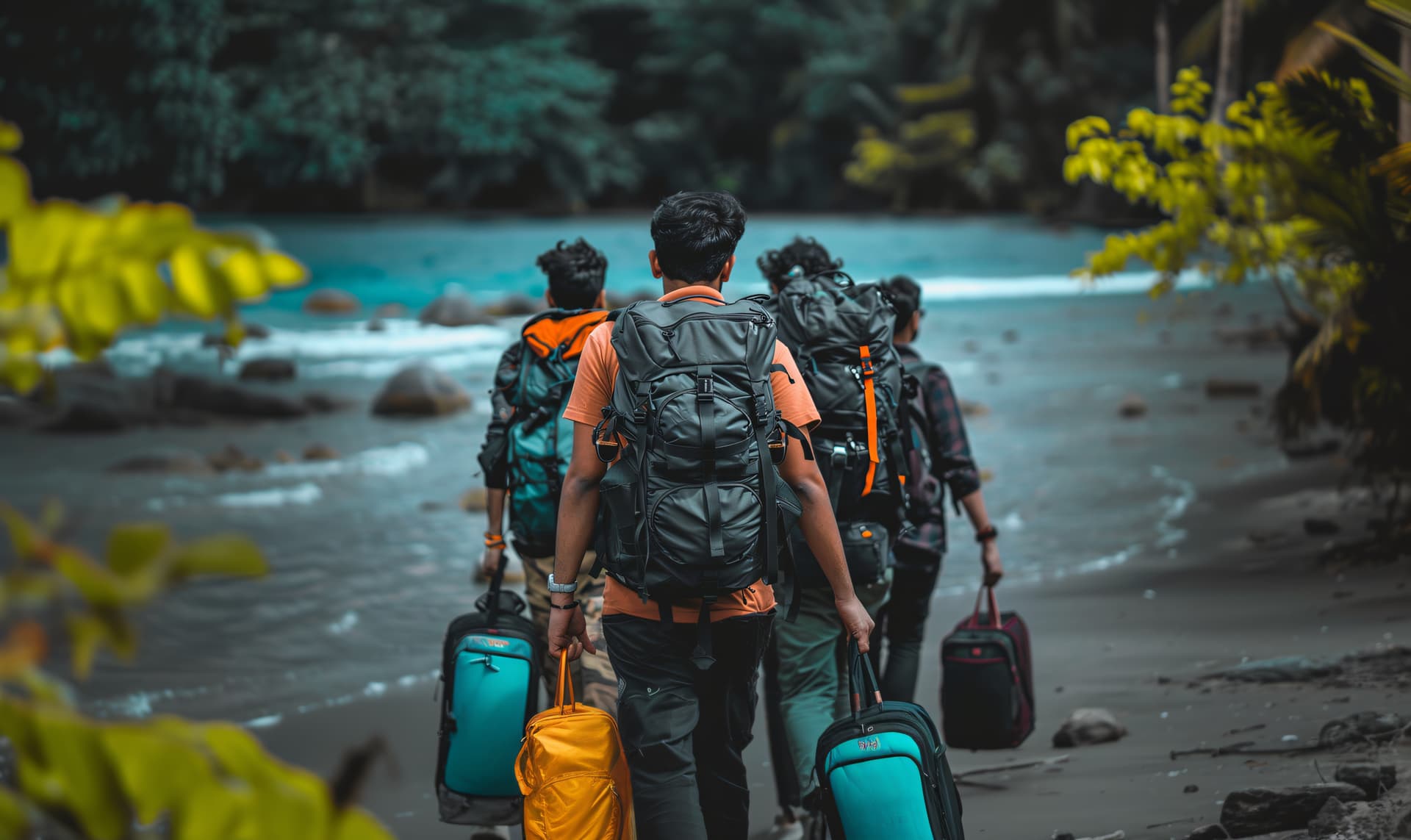
There's an industry buzzword right now called "bleisure"—a mix of business and leisure—and I absolutely hate the word. But the concept behind it is completely real. A massive chunk of the population isn't just taking strict Tuesday-to-Thursday business trips or clean-cut seven-day vacations anymore. We are blending it all together.
Maybe it's just me, but the last few trips I took involved at least one day of logging onto my laptop to put out fires at work. Because of this, one of the biggest accommodation industry trends is the rise of the hybrid stay. We are seeing a massive surge in places that offer the amenities of an apartment with the reliability of a hotel.
Think about the classic vacation rental. A few years ago, we all loved renting someone's quirky apartment. But lately? The chore lists have gotten completely out of hand. I don't want to pay a $150 cleaning fee and still be asked to strip the beds, take out the trash, and run the dishwasher before I catch a 6 AM flight. It's stressful. On the flip side, traditional hotels often lack a proper fridge or a comfortable place to sit that isn't the edge of the mattress.
This frustration is exactly why apart-hotels and extended-stay brands are booming. They are stepping into that middle ground. You get a kitchen and a decent desk, but you also get a front desk, security, and someone else doing the cleaning. If you want to know where the trends in hotel industry 2026 are heading, just look at what remote workers are complaining about today. Accommodations are going to keep morphing to support longer, slower, and more work-integrated trips.
Tech That Actually Fixes Travel Problems
Remember when a hotel advertising "Free Wi-Fi" felt like a luxury? Now, if the Wi-Fi isn't fast enough to handle a Zoom call by the pool, people will leave a one-star review. But the tech evolution happening right now goes way beyond internet speeds.
I'll be honest, a lot of hotel technology over the last few years has been super gimmicky. I once stayed in a room where the curtains, lights, and thermostat were all controlled by a single iPad on the nightstand. The iPad crashed, and I had to sleep with the lights on. It was a nightmare. That kind of tech is annoying because it doesn't solve a problem—it creates one.
But the real hospitality industry trends right now are focused on invisible, frictionless tech. Contactless check-in is the absolute best thing to come out of the last few years. After sitting on a cramped plane for six hours and navigating a chaotic airport, the very last thing I want to do is stand in a lobby line for twenty minutes just to show my ID and get a piece of plastic. Bypassing the front desk entirely and using my phone to unlock my room feels like magic every single time.
We are also seeing AI being integrated in ways that actually help. Instead of calling down to the desk and being put on hold just to ask for an extra pillow, texting a responsive automated concierge gets the job done in seconds. The future of hospitality industry tech isn't about robots delivering your room service; it's about giving travelers control over their own experience without making them jump through hoops.
Sustainability Beyond the Little Towel Sign
We need to talk about the "greenwashing" problem in travel. For years, the extent of a hotel's environmental effort was a little plastic sign in the bathroom telling you to reuse your towel to save the planet. And honestly? We all knew they just wanted to save money on water and laundry staff. It always felt a bit insulting.
But traveler preferences are actually forcing a legitimate shift. People are starting to care deeply about the footprint they leave behind when they travel. Because of this, global hospitality trends are finally pushing past surface-level efforts. We're seeing properties genuinely rethink their operations from the ground up.
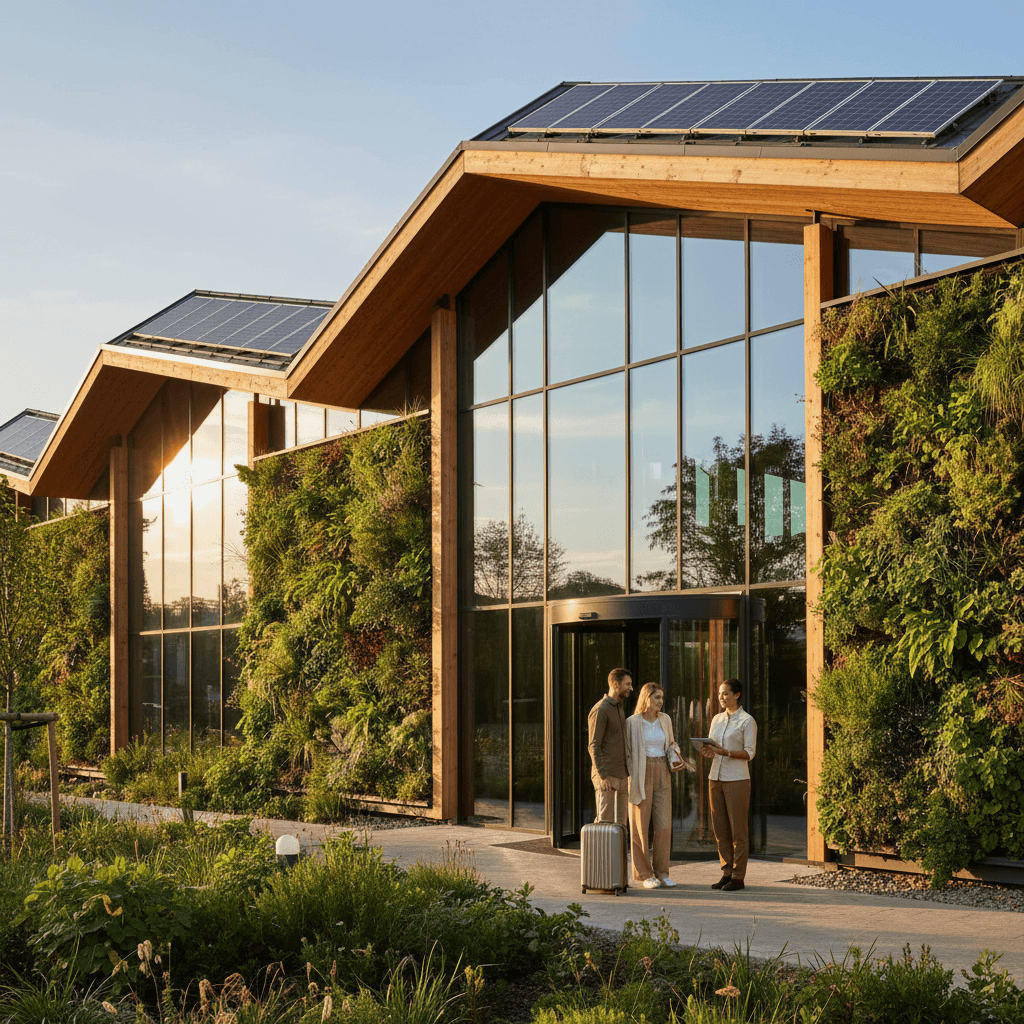
I'm noticing more places completely eliminating single-use plastics. No more tiny shampoo bottles—they're being replaced by high-quality, refillable dispensers attached to the shower wall. You're seeing hotels source their breakfast ingredients from farms within a fifty-mile radius, which honestly just makes the food taste better anyway. Some forward-thinking properties are even using smart climate systems that automatically turn off the AC when you leave the room, or they are entirely powered by solar energy.
When you're trying to figure out if a place actually cares about sustainability, look at their building materials and community impact, not just their linen policy. Travel accommodation trends show that future travelers will happily pay a premium for properties that actively protect their local environments rather than just exploiting them for a good view.
The Craving for Hyper-Local Flavor
There was a time when the ultimate comfort in travel was consistency. You booked a massive chain hotel because you knew exactly what the room would look like, exactly how the lobby would smell, and exactly what the breakfast buffet would serve, whether you were in Chicago or Shanghai. It was safe.
Now? That kind of cookie-cutter consistency just feels incredibly boring.
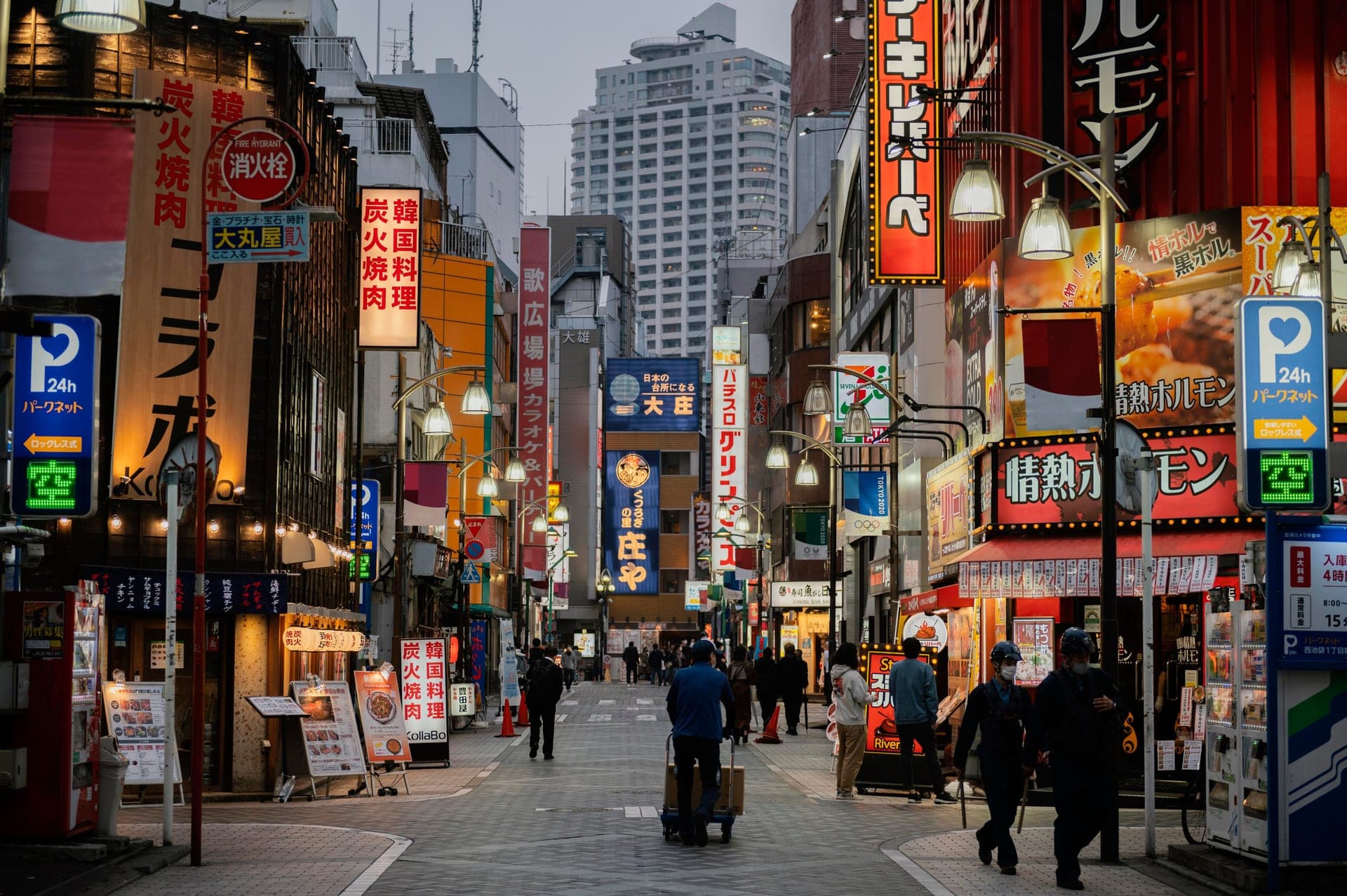
One of the most defining hotel industry trends is the push toward hyper-local, boutique experiences. When people travel, they actually want to know they've left home. They want the place they sleep to reflect the neighborhood they are visiting. If I'm paying good money to visit Mexico City, I want my accommodation to feel like Mexico City, not an airport terminal.
Big hospitality brands have definitely caught onto this. That's why you rarely see them building massive, generic towers anymore. Instead, they are launching "lifestyle brands"—smaller, design-forward hotels that partner with local coffee roasters, feature art from neighborhood creators, and hire local musicians for the lobby bar. They are trying desperately to capture the soul of an independent boutique hotel while keeping the backbone of a major loyalty program.
And it's working, mostly. Finding a stay with actual character used to mean taking a risk on an unknown bed and breakfast. Now, the entire industry is pivoting to offer design and authenticity. The challenge for us as travelers is just filtering out the places that are faking that local vibe versus the ones that are actually integrated into their communities.
Navigating the Wild World of Pricing and Value
Let's address the elephant in the room: traveling is really expensive right now. Post-pandemic "revenge travel" drove prices through the roof, and they haven't exactly crashed back down. Finding a place to stay that feels like it's actually worth the money is one of the biggest challenges travelers face today.
Because of this economic squeeze, travel accommodation trends are splitting in two very distinct directions. On one end, ultra-luxury travel is booming. People who have the money are willing to spend massive amounts on hyper-personalized, once-in-a-lifetime stays. On the other end, we are seeing a massive renaissance in budget accommodations, but they look entirely different than they used to.
The days of the grimy, unsafe budget motel are fading. Instead, we are seeing the rise of "premium economy" in the stays industry. Think of brands offering micro-rooms—where the bedroom is basically just a comfortable mattress and a great shower, but the communal spaces downstairs are massive, beautifully designed, and perfect for working or hanging out. You're sacrificing square footage in your private room for a lower price tag, without sacrificing safety or style.
Here's what works for me when I'm trying to find value: I look for places that just opened. New properties often run significantly lower rates for their first six months while they try to build up their reviews. I also highly recommend looking at neighborhoods just one or two subway stops away from the main tourist hubs. The quality of the accommodation usually goes up while the price drops, and you get better local food options anyway.
What All This Means for Your Next Trip
At the end of the day, all these stays industry trends really just point to one thing: you have more power as a traveler than ever before. The industry is bending over backward to accommodate how we actually want to live while we are on the road.
You don't have to settle for a rigid hotel schedule if you don't want to. You don't have to accept a vacation rental with a ridiculous chore list. Whether you need a lightning-fast internet connection for remote work, a sustainable eco-lodge that aligns with your values, or just a really comfortable bed in a neighborhood that has great coffee, the options exist.
Planning a trip takes a bit more research now than it did when we only had a few simple choices. But honestly? The payoff is a trip that actually feels designed for you. And that's a trend I hope sticks around for good.