Okay, let's talk about Canberra. I know exactly what you're thinking. A bunch of politicians, school groups in matching hats, and more roundabouts than anyone actually needs, right? Yeah, that's the old stereotype. But if you actually go there now, you'll realize it's a completely different story. Australia's capital has quietly turned into one of the coolest cities in the country. And most tourists still skip it entirely. Honestly? Their loss.
If you're wondering about the best places to visit in Canberra, you need to start with the obvious stuff before finding the local spots. The city is literally designed around Lake Burley Griffin. It's an artificial lake, but you wouldn't know it looking at it. One of my absolute favorite canberra things to do is just renting an e-scooter or a bike and doing the "bridge to bridge" loop. It's about 5 kilometers, takes maybe 45 minutes if you're going slow, and it's completely flat. The lake burley griffin walking trails are packed with locals walking their dogs on Saturday mornings. Grab a coffee from a coffee cart near the water (usually around $5.50 for a flat white) and just enjoy the morning.
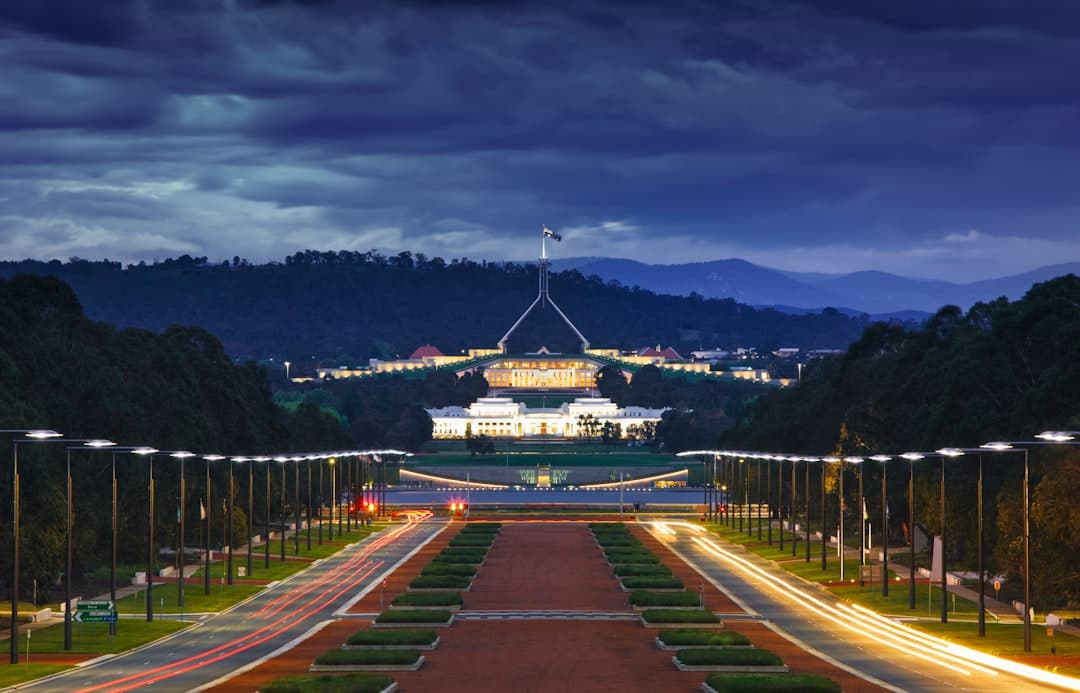
What else? The Australian War Memorial is probably the most famous building here. Even if you aren't really a "museum person," you should go. An australian war memorial tour takes around two hours, and it's incredibly moving. Plus, looking straight down Anzac Parade from the steps of the memorial towards Parliament House is a view you just have to see. It lines up perfectly. You don't pay a dime to get in, which is awesome because free activities in canberra are surprisingly easy to find.
Right, let's talk about food. Because a weekend trip to canberra isn't complete without eating way too much. The food scene here used to be pretty average, but now? It's genuinely fantastic. If you want to know where to eat in canberra, just head straight to Braddon. It's a neighborhood right next to the city center (they just call the center "Civic" here). Lonsdale Street in Braddon is packed with microbreweries, bakeries, and restaurants.
You'll find some of the best cafes in canberra squeezed between old car dealerships that have been turned into trendy bars. Expect to pay around $22 for an avocado toast, but it'll be a massive portion with poached eggs and probably some kind of fancy feta. Go to The Cupping Room or Barrio. The coffee at Barrio is out of this world. There's usually a line out the door on Sundays, so maybe try going on a weekday if you can.
Anyway, back to the sightseeing. You really can't talk about the capital without mentioning the art. The national gallery of australia exhibits are always rotating, but their permanent collection is massive. They have a huge section of Aboriginal and Torres Strait Islander art, which takes up a whole wing. Oh, and outside? There's a James Turrell installation called a 'Skyspace'. It's basically a small building with a hole in the roof, and you sit inside at sunrise or sunset to watch the sky change colors. Sounds weird, I know, but it's strangely relaxing.
If you've got kids with you, you're in luck. Finding family attractions canberra style is basically effortless. Questacon is the big one. It's the national science and technology center, and it's fully interactive. I'm an adult and I still think the six-meter freefall slide is terrifying (in a good way). Entry is roughly $25 for adults and $17 for kids. You can easily spend four hours there, especially if it's raining outside. The National Dinosaur Museum is another good option if your kids are going through that phase where they know the names of 40 different dinosaurs.
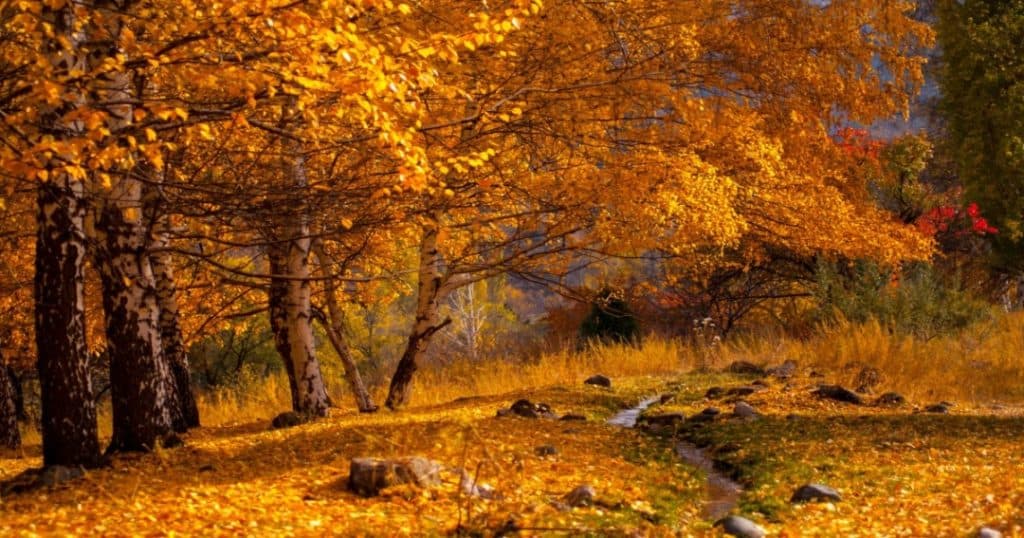
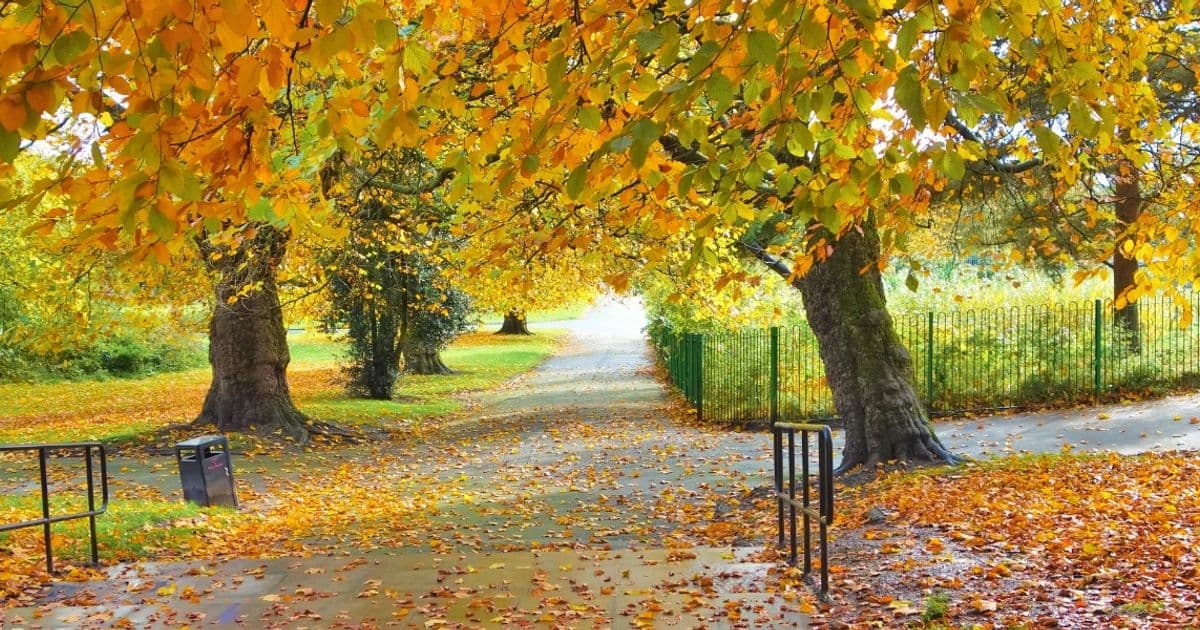
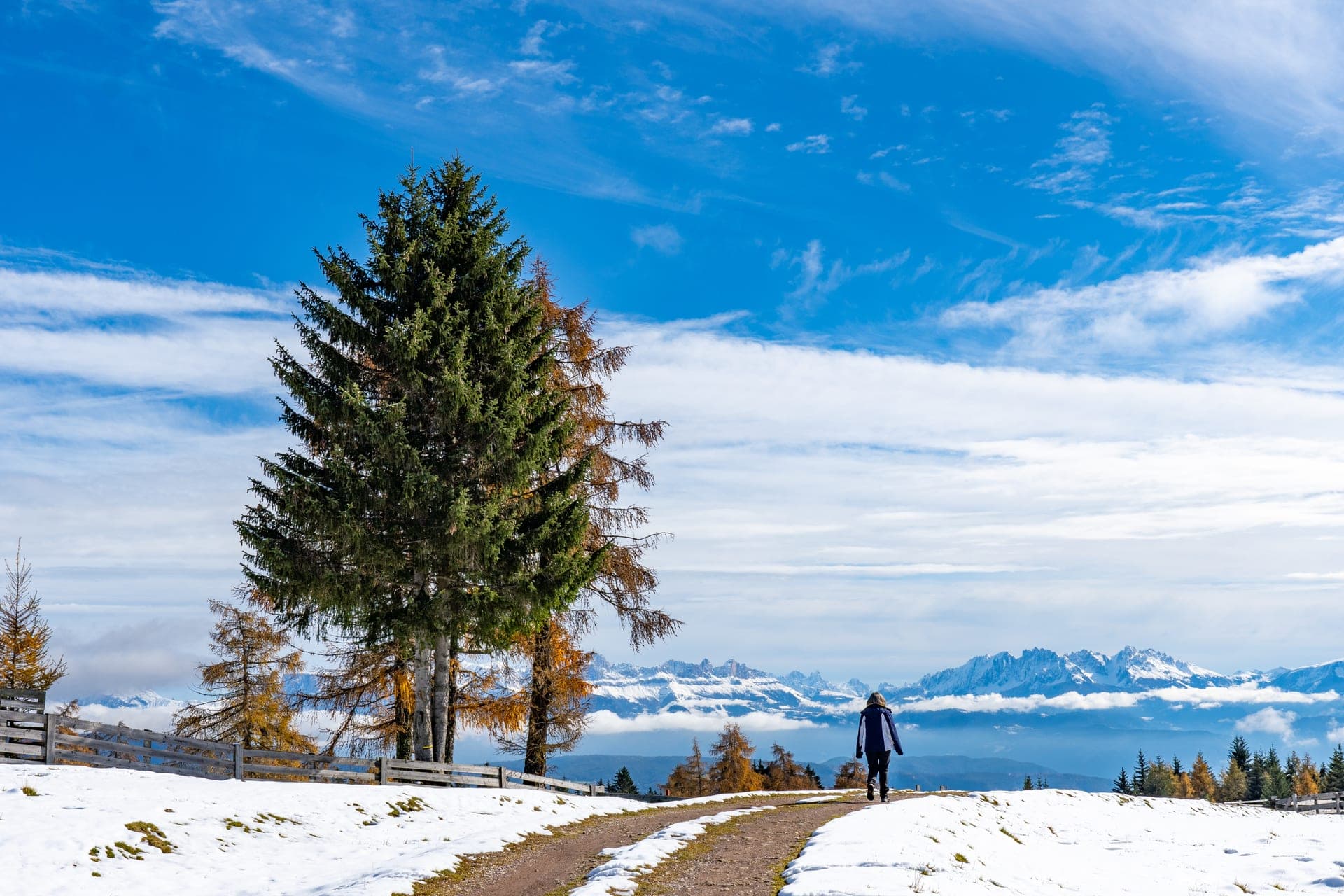
Let's talk about the weather and when you should actually go. Summer gets hot. Like, really hot. We're talking 35°C to 40°C in January. Winter drops below freezing at night, which surprises people who think all of Australia is just a beach. But autumn in canberra? Absolutely perfect. Around March to May, the whole city turns red and gold. The days are crisp, usually around 20°C, and the sky is that crazy deep blue you only get in Australia. If you come in autumn, you'll see hot air balloons floating over the lake most mornings.
Do you have a car? You'll probably want one. Public transport is okay (they have a light rail now that goes north to south), but a car makes life so much easier. Especially if you want to look into canberra day trips. You can drive 45 minutes outside the city and suddenly you're in wine country. The cool-climate wines here are top tier. Murrumbateman is the main area, and you can just hop between cellar doors tasting Shiraz and Riesling. Most tastings cost around $10, but they usually waive the fee if you buy a bottle. Not a bad deal at all.
If you want a different kind of day trip, you can drive to Tidbinbilla Nature Reserve. It's about 40 minutes from Civic. You want to see kangaroos? You'll see hundreds of them just hanging out. You might even spot a platypus in the wild if you sit quietly near the ponds. There's a $14 entry fee per car, but it's worth it for the walking tracks alone.
Let's be real for a second. Is Canberra going to give you the crazy nightlife of Melbourne or the beaches of Sydney? No. But that's not why you come here. You come here because everything is easy. The roads are wide, parking isn't a nightmare (usually around $10 for a full day in the parliamentary zone), and the air just feels clean.
You can start your day climbing Mount Ainslie. It takes about an hour to walk up, and you get this massive panoramic view of the whole city layout. Then you grab a killer pastry in Manuka, spend the afternoon looking at some world-class art, and finish with a local beer in Braddon. It's just a really solid, low-stress place to take a break.
Let's talk a bit more about the layout of the city, because it confuses a lot of first-timers. The city is split into "Northside" and "Southside" by the lake. People living there have this funny, mild rivalry about which side is better. The North side has Civic, Braddon, and the university, so it feels a bit younger and louder. The South side is where you find the Parliamentary Triangle, the older, tree-lined suburbs like Barton and Kingston, and the foreshore.
If you're looking for a relaxed Sunday afternoon, head over to the Kingston Foreshore. It's packed with restaurants right on the water. You can grab a burger at Brodburger (be prepared to wait 45 minutes for it, but trust me, it's worth it) and sit on the grass watching the boats. Also, on Sundays, the Old Bus Depot Markets are right next door. They sell everything from handmade soaps to hot Ethiopian food. It's a great place to pick up souvenirs that aren't just generic kangaroo keychains.
And if you're into nature but don't want to leave the city limits, the National Arboretum is wild. Basically, after a massive bushfire wiped out a pine forest in 2003, they decided to plant 100 forests of rare and endangered trees from all over the world. Now, 20 years later, it's this massive rolling area of different tree species. They have a huge playground for kids made out of giant wooden acorns, and a cafe at the top with windows overlooking the whole valley. Parking is about $2.10 an hour, and it's a great spot to just sit and read a book for a while.
What else should you know before you go? Accommodation isn't super cheap. Because it's a government town, hotels are usually booked up by public servants during the week. You can actually find better hotel deals on the weekends, which is the exact opposite of most tourist cities. Look for an Airbnb in Turner or Reid if you want to be within walking distance of the city center but still have quiet streets. A decent one-bedroom place will run you around $150 to $200 a night.
So yeah, maybe rethink the capital next time you're planning a trip down under. Give it three or four days. Rent a bike, drink too much coffee, and walk around the lake. You might actually end up liking it way more than you expect.