Look, if you're thinking about trekking in the Himalayas but feeling a bit intimidated by those hardcore 10-day expeditions, Chopta Tungnath is exactly what you need. I get it. Not everyone wants to walk 15 kilometers a day with a 10-kilo backpack. Sometimes you just want to see massive snow-capped mountains without suffering too much.
And that's why I love this route. It's totally doable for beginners, but the views rival some of the toughest trails out there. Plus, at the top, you hit the highest Shiva temple in the world. Pretty cool bragging rights, right?

Let's talk about how to actually do this trip. No fluff, just the things you need to know.
Okay, let's tackle the biggest question first. Everyone always asks about the weather. If you want clear skies and comfortable walking conditions, you need to time this right. So, what is the best time to visit chopta tungnath? Honestly, it depends on what kind of vibe you want.
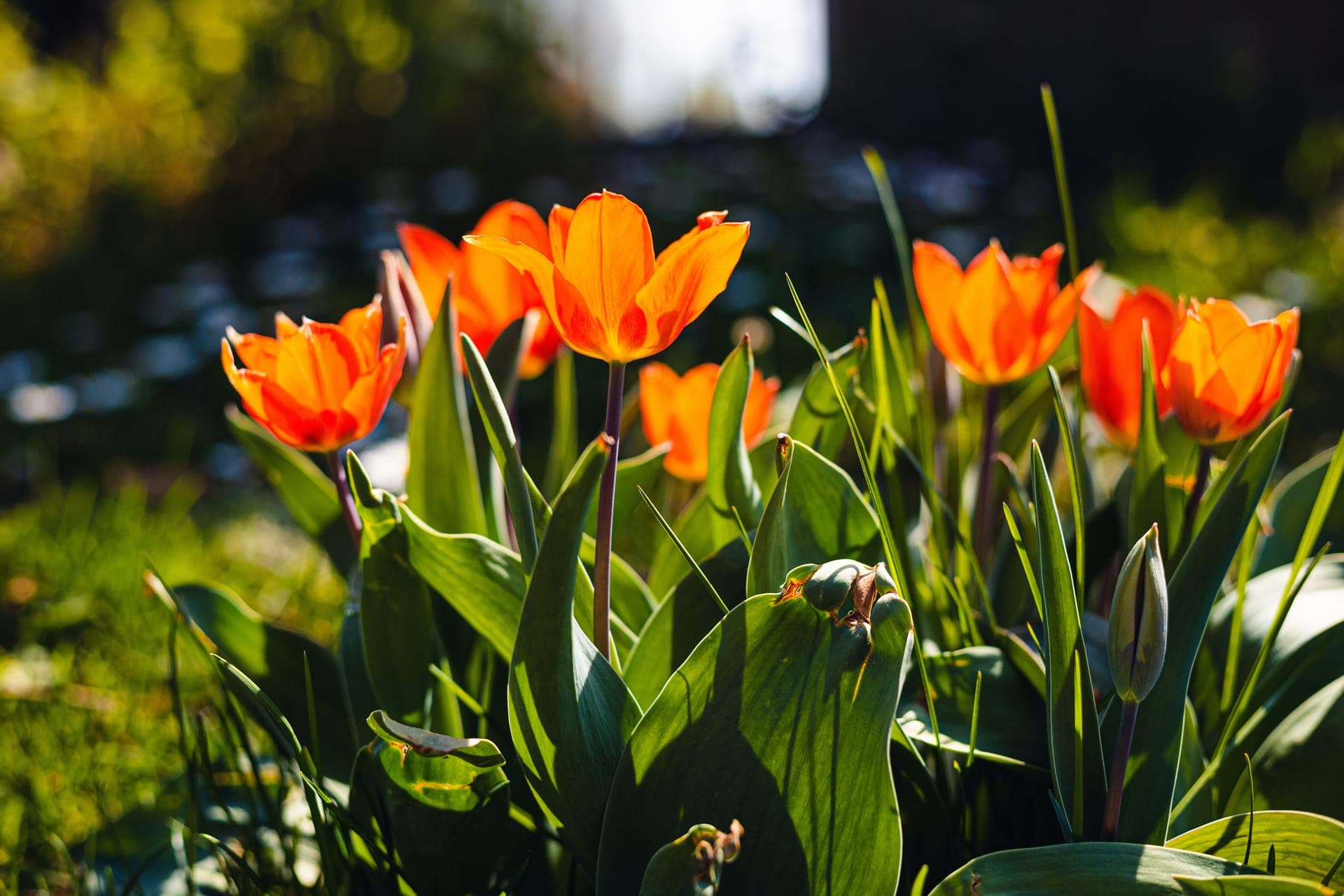
Spring is fantastic. If you go between April and June, the rhododendrons are blooming like crazy. The whole forest turns red and pink. The temperature during the day sits around 15°C to 20°C, which is super comfortable for walking. This window is generally considered the chopta tungnath best time to visit if you hate the cold. But yeah, it gets crowded. Really crowded.
Then you have the post-monsoon months. September to November. Personally? I think this is the absolute best time to visit tungnath. The rains have washed all the dust out of the air. The mountains look incredibly sharp against the blue sky. It gets pretty chilly at night (we're talking near freezing by November), but the daytime hiking is phenomenal. If you ask local guides about the tungnath trek best time, most of them will point to October.
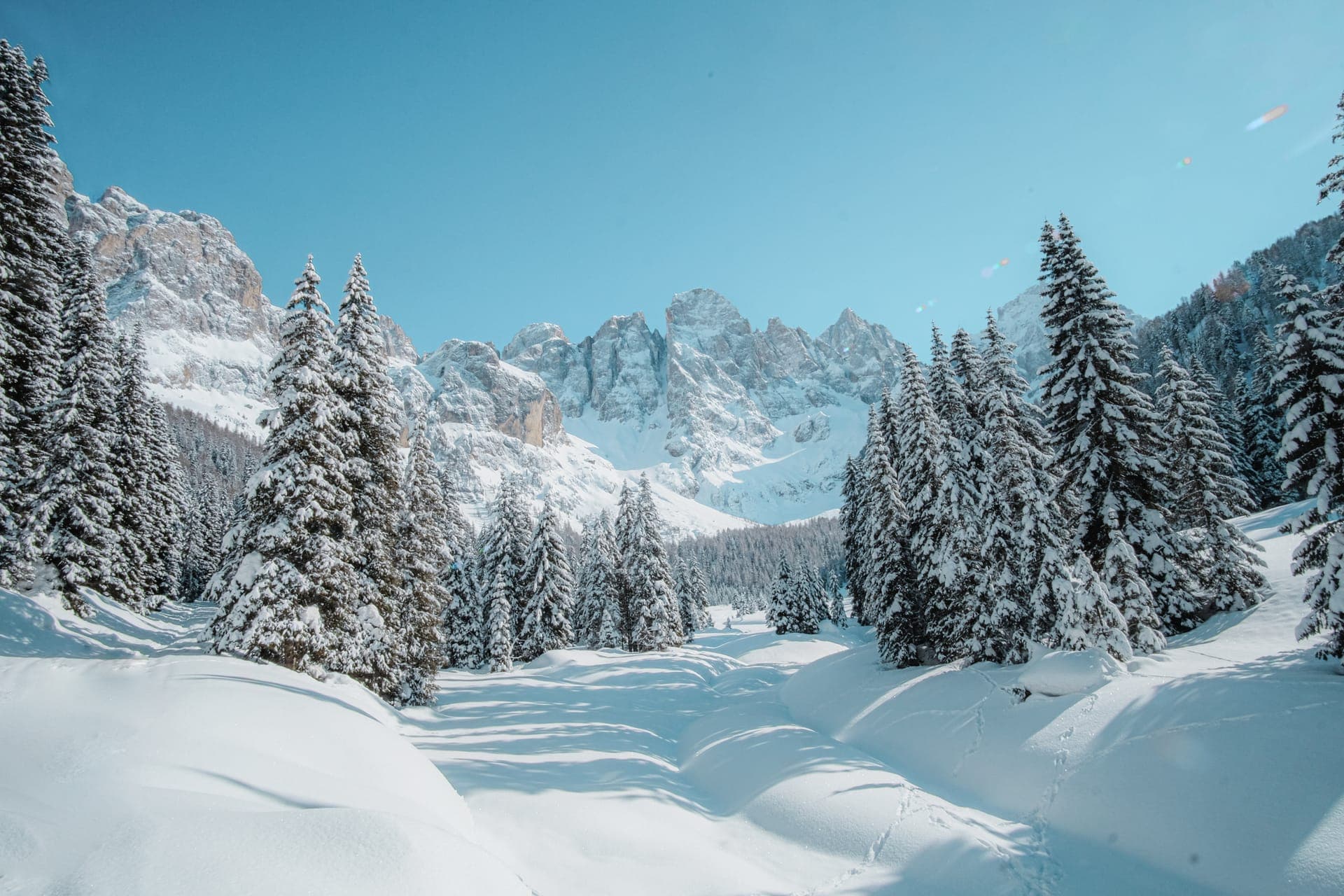
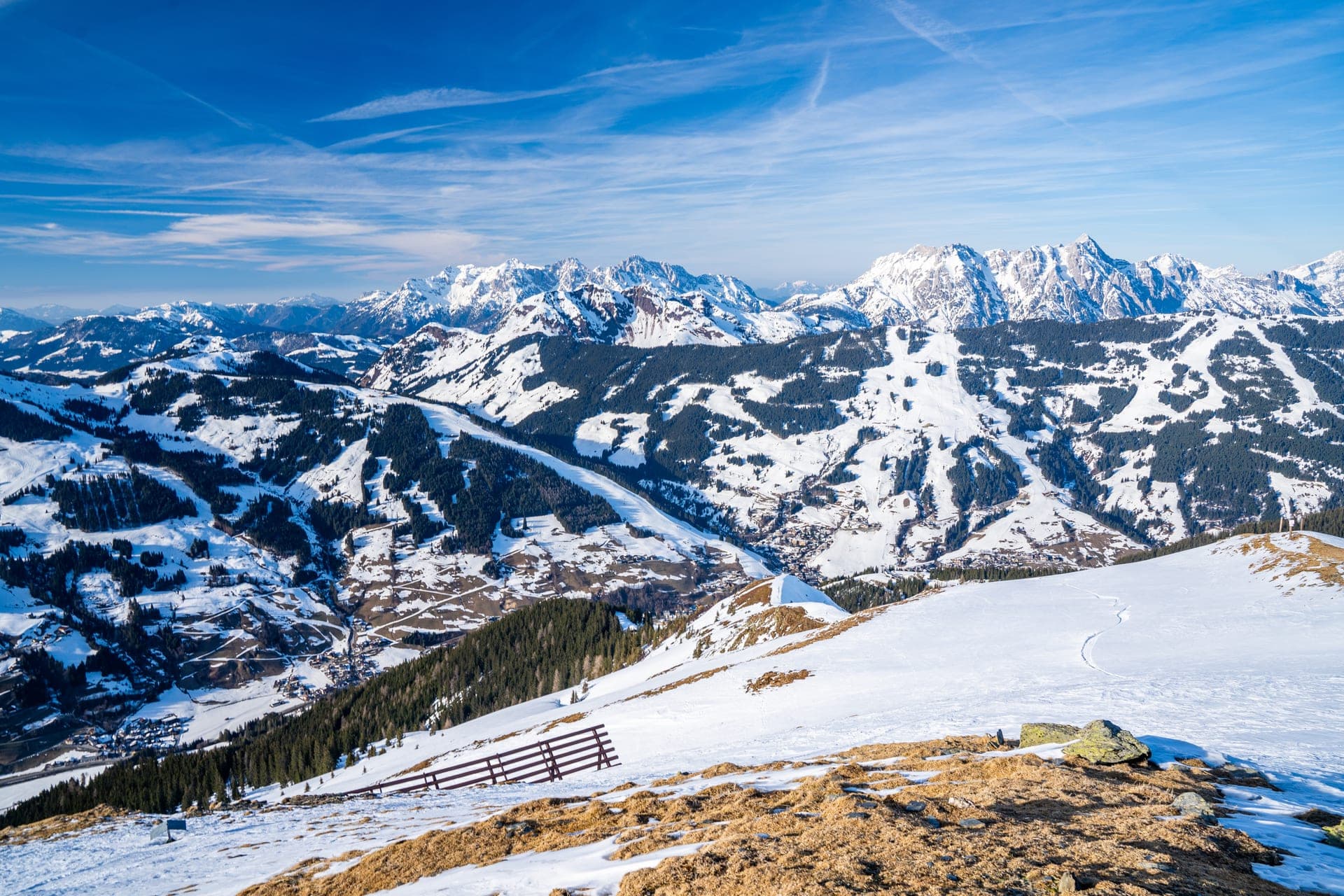
Now, what about winter? Well, figuring out the chopta tungnath trek best time during winter is tricky. By late December, the trail gets completely dumped with snow. The temple closes its doors and the idol is moved down to Ukhimath. You can still hike up there, but it turns into a proper snow trek. You'll need decent gear and probably a guide. Don't try it in January in just sneakers. Seriously, I've seen people do it and they end up sliding around on the ice looking miserable.
Chopta itself is a tiny little settlement. It's roughly 200 kilometers from Rishikesh. You can drive up, take a bus to Ukhimath, and then grab a shared taxi. The roads are actually quite decent for mountain roads, though there are always a few rough patches. Expect the drive from Rishikesh to take around 7 or 8 hours. Don't trust Google Maps completely up here. It always underestimates the time it takes to navigate those winding mountain curves.
The walk starts right from the road in Chopta. It's a nicely paved path for a good chunk of the way. You're looking at about 3.5 kilometers to reach the main temple area.
Doesn't sound far, does it? But considering the tungnath temple height is over 12,000 feet, the air gets pretty thin. You will be huffing and puffing. Just take it slow. Stop for water. There are a few small tea shops along the way where you can grab a cup of chai and some Maggi. (Because obviously, you have to eat Maggi in the mountains. It's basically a law).
It takes an average-fitness person about 2 to 3 hours to reach the temple. Once you get there, the energy is just different. Even if you aren't religious, you can appreciate the history. The temple is made of stone and looks like it's been there forever.
But don't stop there. Seriously, keep going. Right behind the temple is the main chopta to chandrashila trek route. It's another 1.5 kilometers and it is incredibly steep. Your legs will burn. But push through it. The 360-degree view of the Himalayas from the top? Absolutely wild. You can see Nanda Devi, Trishul, and Chaukhamba peaks all lined up right in front of you.
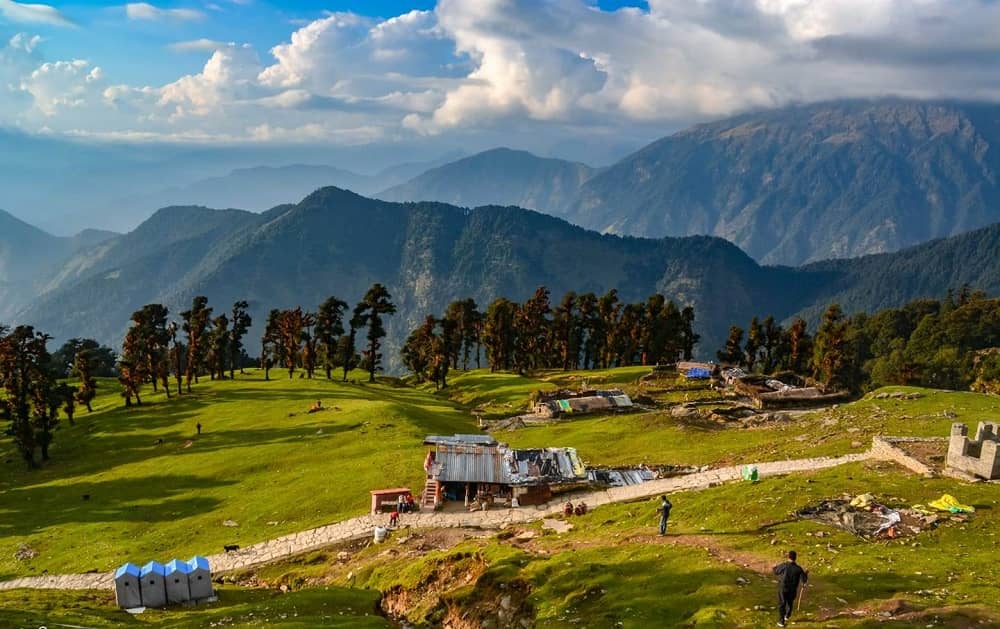
You have a few options for spending the night. A lot of people choose camping in chopta tungnath. There are massive green meadows (called bugyals) right below the starting point, and you'll find dozens of campsites set up there.
You can rent a tent for anywhere from ₹800 to ₹2,500 a night, depending on how fancy you want it. Some have proper beds inside and attached washrooms. Others are basic dome tents where you sleep on a mat. Sleeping under the stars here is amazing because there's zero light pollution. Just make sure they give you a thick sleeping bag. The wind at night cuts right through you.
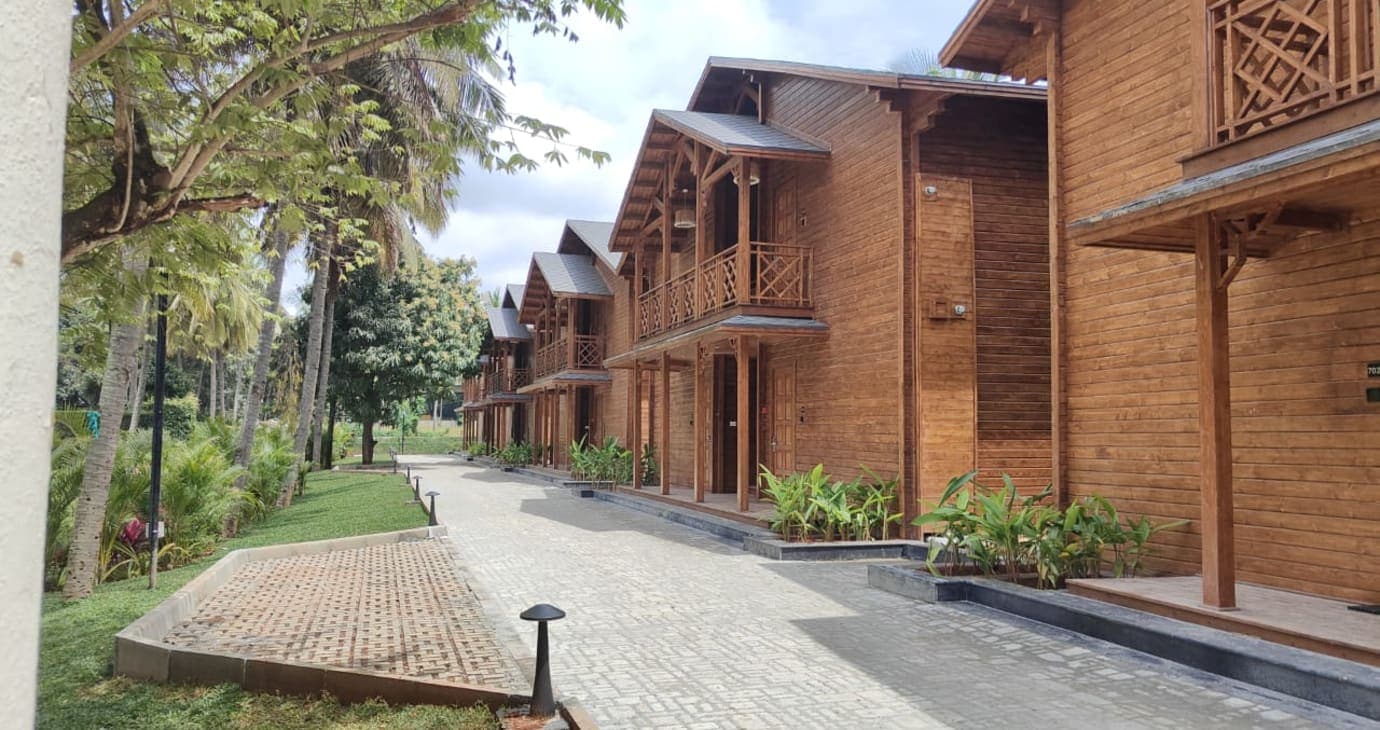
If you're not into tents, there are basic guesthouses in Chopta and nearby areas like Baniyakund. They are simple. Don't expect luxury. You get a bed, a heavy blanket, and hot water in a bucket. That's about it.
A lot of folks ask me if they should book a chopta tungnath trek package. Honestly? You don't absolutely need one. If you have your own transport and are comfortable negotiating for a tent when you arrive, you can easily do it yourself.
However, if you're coming from Delhi or flying into Dehradun and don't want the headache of booking buses or cabs, a package makes sense. A standard weekend package usually covers your transport from Rishikesh, a night or two of camping, food, and a guide. They usually run between ₹4,000 to ₹6,000 per person. It just takes the stress out of the logistics.
Let's talk about the food situation really quick. You aren't going to find fancy cafes or multi-cuisine restaurants up here. The food is basic, local, and honestly, exactly what you crave after a long walk. Most dhabas serve regular North Indian thalis—dal, rice, roti, and whatever vegetable they have that day. It's hot, fresh, and usually costs around ₹150 for a full plate. Breakfast is mostly parathas with a mountain of butter. Try the local Pahadi dal if they have it; it has a completely different flavor profile than what you get in the cities.
Also, a quick note on altitude sickness. Because you drive straight up to nearly 9,000 feet before even starting the hike, your body doesn't get a ton of time to acclimatize. Some people get mild headaches or feel a bit nauseous on their first evening. It's super common.
Drink way more water than you think you need. Seriously, force yourself to drink it. If you have a headache that won't go away, just tell your camp manager. Usually, descending a few hundred meters or just resting is all you need. Don't push yourself up the trail if you're feeling dizzy. The mountain isn't going anywhere.
Oh, and regarding your phone network. Prepare to go off the grid. Jio and Airtel work decently well up to Ukhimath, but once you start getting closer to Chopta, the signal drops completely. Sometimes you can catch a stray bar of network near the top, but it's completely unreliable. Honestly, it's kind of nice. Tell your family you'll be out of reach for two days so they don't panic.
When looking up places to visit in chopta, people only focus on reaching the top as fast as possible. Most tourists rush this trip. They drive up, run up the mountain, run down, and drive back. Their loss, honestly.
Spend a couple of nights here. Wake up early to catch the sunrise hitting the snow peaks. Walk around the meadows. Talk to the locals running the tea stalls. It is such a peaceful area if you just slow down and actually experience it.
So yeah, pick your dates carefully based on what kind of weather you tolerate best, pack your warmest jacket even if you're going in summer, and get out there. It's a trip you'll definitely remember.