Let's talk about Cuttack. Most tourists head straight for Bhubaneswar or Puri when they visit Odisha. Their loss, honestly. Cuttack is actually the former capital, and it sits right between the Mahanadi and Kathajodi rivers. It's ancient—over a thousand years old. You feel that age when you walk through its incredibly narrow, winding streets. We call it the Millennium City. If you are putting together a Cuttack travel guide for your next trip, you really need to prepare for a lot of walking, eating, and dodging rickshaws. And trust me, it is completely worth the effort.
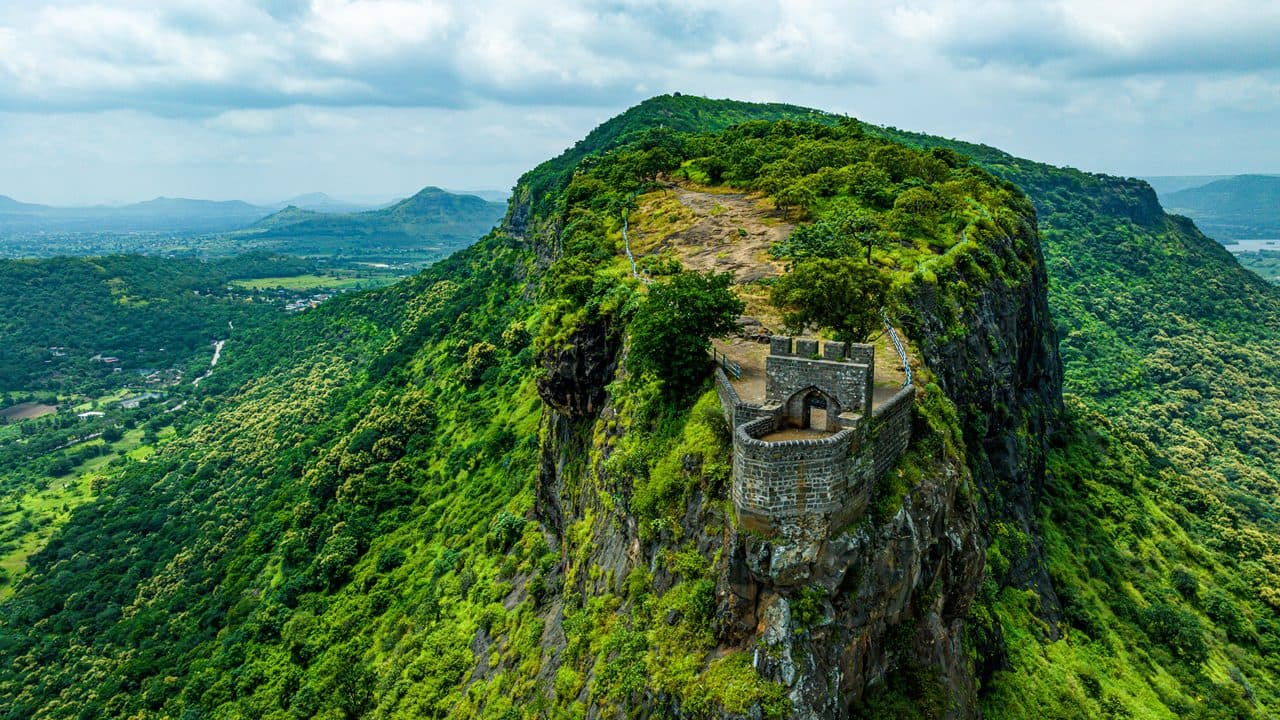
So, what are the top places to visit in Cuttack? You have to start with Barabati Fort. Look, it's basically ruins now. Don't go expecting some massive intact castle with shiny ticket counters. It is mostly a highly atmospheric stone wall and a heavily carved gateway dating back to the 14th century. But walking around the moat at sunset? Totally peaceful. Right next to it is the Barabati Stadium. If there's a cricket match happening, the noise is insane. You can hear the crowd from miles away.
Right nearby, you should check out the stone revetment on the riverbanks. It's an engineering marvel from the 11th century built to stop floods. They stacked massive stones along the water. Sit there in the late afternoon. Buy some roasted peanuts for 20 rupees, watch the water, and just chill. This is a big part of everyday Cuttack sightseeing for the locals.
You probably know Cuttack is famous for silver filigree. They call it Tarakasi. It's not just a marketing gimmick. The silver work here is mind-blowing. Artisans draw silver into wires as thin as a human hair and twist them into jewelry, small chariots, and showpieces. You'll find shops selling this stuff all over Naya Sarak. It's a great spot to pick up souvenirs. A small silver ring might set you back 500 rupees, while larger pieces go for thousands. Just bargain a little bit. It is expected.
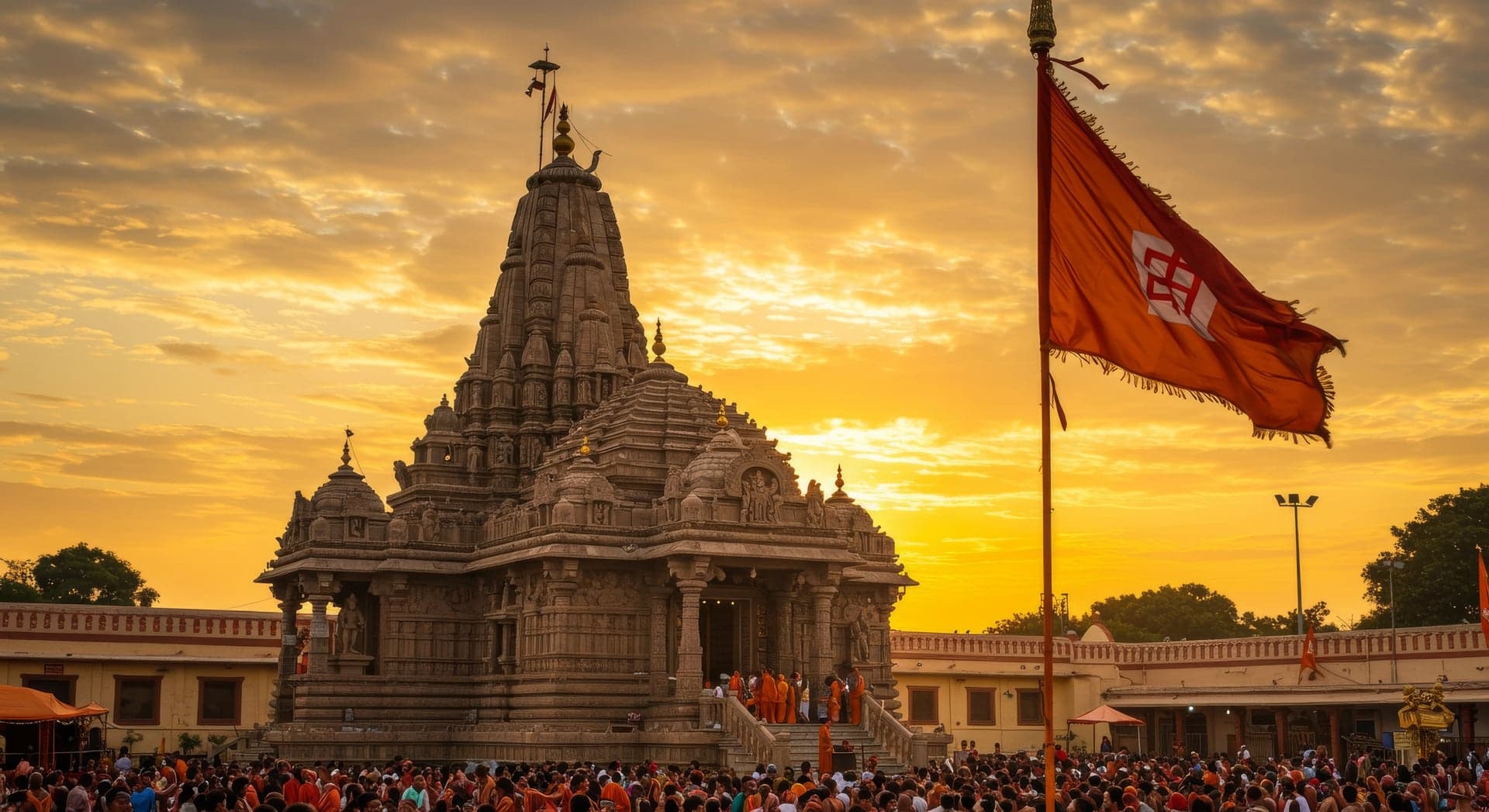
There are several tourist places in Cuttack that hold massive religious importance. The Cuttack Chandi Temple is the main one. She is the presiding deity of the city. The temple gets completely packed during Durga Puja. Speaking of which, if you can time your trip during Durga Puja (usually October), do it. The city goes crazy. They decorate the goddess idols with actual silver and gold crowns. Millions of rupees worth of jewelry just sitting out in the open. It is wild to see.
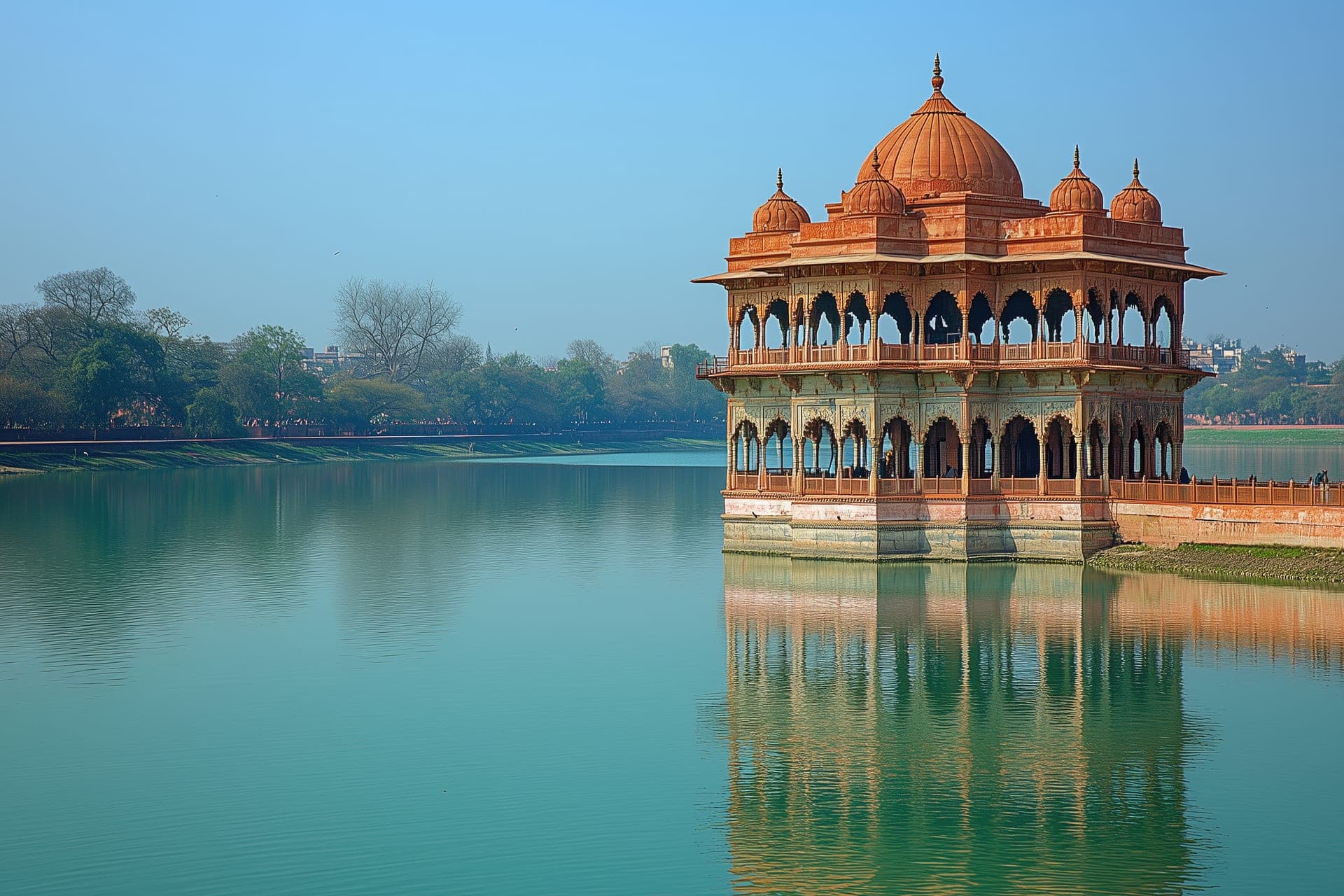
Then there is the Qadam-e-Rasool. It is an 18th-century shrine with a massive dome. Inside, they have a footprint believed to be of the Prophet Muhammad. The architecture has a heavy Persian influence, and the compound is surprisingly quiet compared to the noisy streets outside. It shows how diverse this city is. Hindus, Muslims, Christians—everyone has lived packed together on this small strip of land for centuries.
Okay, if you are looking for things to do in Cuttack, eating should be at the top of your list. The street food scene here is legendary. You cannot leave without trying Dahibara Aloo Dum. It's basically a religion here. Vendors on bicycles set up big aluminum pots around 6 AM, and they sell out by 10 AM. It's a bowl of water-soaked lentil dumplings topped with spicy potato curry, yellow peas, chopped onions, and a sprinkle of roasted cumin. A full plate costs about 40 to 50 rupees. Raghu's stall in Bidanasi is probably the most famous, but honestly, almost any guy on a cycle will give you a great plate.
Let me talk a bit more about the food, because it really is that important. Besides the Dahibara Aloo Dum, you need to find a sweet shop and buy some Chhena Poda. It translates to "roasted cheese." Imagine a crusty, caramelized cheesecake made from fresh cottage cheese, sugar, and cardamom, baked over a wood fire for hours. The burnt edges are the best part. A half-kilo block costs around 150 rupees. Buy it. Eat it. Thank me later. Also, the non-vegetarian food here is stellar. Mutton curry served with rice at small street-side eateries (called 'hotels' locally) is a Sunday ritual for most people in the city. The meat is slow-cooked in mustard oil and whole spices.
Also, grab some Thunka Puri if you visit during Bali Jatra. What is Bali Jatra? Glad you asked. It's a massive open-air trade fair held on the riverbank in November. It commemorates the ancient maritime trade between Odisha and Bali. It is crowded, loud, dusty, and absolutely brilliant. You'll find giant Ferris wheels, hundreds of food stalls, and people selling literally everything from wooden toys to cars.
If you like history, add the Odisha State Maritime Museum to your list of Cuttack attractions. They built it on the site of an old British-era workshop. The tickets are about 50 rupees. They have around ten galleries explaining how sailors from this region used to build huge wooden ships and sail to Indonesia centuries ago. They even have a 3D theater and an aquarium. It's a great place to spend a hot afternoon because the air conditioning works really well. Honestly, that's a big plus when the weather gets sticky.
Did you know the famous freedom fighter Netaji Subhas Chandra Bose was born right here? His ancestral home, Janakinath Bhawan, has been converted into the Netaji Birth Place Museum. It's right in the middle of Odia Bazaar. They kept his original letters, furniture, and old photographs. Walking through the huge courtyard of that traditional house gives you a weird sense of going back in time. The entry fee is barely 10 rupees. You can easily spend an hour reading through his handwritten letters.
Once you've seen the city, there are some great places near Cuttack you can check out. Dhabaleswar Island is a popular trip. It's an island in the Mahanadi river dedicated to Lord Shiva. You can reach it by a hanging suspension bridge. Walking across that bridge when it sways is half the fun. It is about 30 kilometers from the city center. Another good spot is the Buddhist ruins at Lalitgiri and Ratnagiri. They are about an hour or two away. You'll see massive stone stupas and carved Buddha statues just sitting on green hillsides. Hardly anyone goes there.

If you want to relax after all that walking, go to the Deer Park in Madhusudan Nagar. Yes, they have an actual deer park in the city. It's a small green patch where you can watch spotted deer grazing. Kids love it, and it costs nothing to stand by the fence. It's these random little pockets of quiet that make the city so weirdly lovable.
Let's talk logistics. The best time to visit Cuttack is definitely between October and March. The weather in winter drops to a pleasant 15°C at night. Summer? Forget about it. It gets up to 45°C in May, and the humidity makes it feel like you are walking through warm soup. Monsoons (July to September) bring a lot of rain, and since the city is bowl-shaped, certain low-lying areas flood easily.
Getting around can be a bit frustrating if you have a big car. The streets are incredibly narrow. The best way to navigate is by auto-rickshaw or renting a two-wheeler. Always agree on the auto fare before getting in, as they rarely use meters.
Cuttack is not a polished tourist trap. It has rough edges. The traffic can be annoying, and the streets are chaotic. But that is exactly why it is so interesting. It is a real, working Indian city with deep roots and a unique identity. Spend two days here. Eat the street food, walk along the stone embankments, check out the silver shops, and talk to the locals. You will walk away with a completely different perspective of Odisha.