Let’s be honest for a second. When you think of Germany, you probably picture a guy in leather shorts holding a massive beer, or maybe a serious engineer in a grey suit. And while you can definitely find both of those things (especially in Munich), this country is surprisingly diverse. It’s chaotic, it’s beautiful, and sometimes it’s downright weird.
I’ve spent a lot of time wandering around here, and the top tourist attractions in germany aren't always what you expect. You've got the ultra-modern skyline of Frankfurt that looks like it belongs in the US, and then two hours away, you’re standing in a medieval town wall that hasn’t changed since the 1400s. It’s a trip.
If you are planning a trip, this germany travel guide for tourists is going to break it down simply. No fluff, just what you need to know.
You can't really understand Germany until you realize that the north and south are basically different planets.
Berlin is the cool, messy sibling. It doesn't care if your shirt is ironed. In fact, you'll probably fit in better if it isn't. The history here is heavy—you can physically touch the remnants of the Berlin Wall—but the energy is all about the future. It's cheap (well, cheaper than London or Paris), the street food is incredible (currywurst is a mandatory snack), and the nightlife goes on until Monday morning. Literally.
Then you have Munich down in Bavaria. This is the Germany from the postcards. It's clean, rich, and traditional. This is where you go for the beer halls and the glockenspiels. If you want that classic European feel, Munich is one of the best places to visit in germany. Plus, on a clear day, you can see the Alps from the city center. It’s pretty special.
Okay, let's talk about the fairy-tale stuff. You’ve probably seen photos of Neuschwanstein Castle. You know, the one that inspired the Disney castle? It’s real, it’s in Bavaria, and it sits on top of a rugged hill. Is it touristy? Yes. Is it worth it? Absolutely. But get there early, because the crowds are insane.
For a road trip, the Romantic Road is a solid choice for a germany sightseeing itinerary. It’s a route that connects a bunch of walled towns and villages. Rothenburg ob der Tauber is the famous one here. It’s so preserved it feels like a movie set. Walking through it at night when the day-trippers have left is kind of magical.
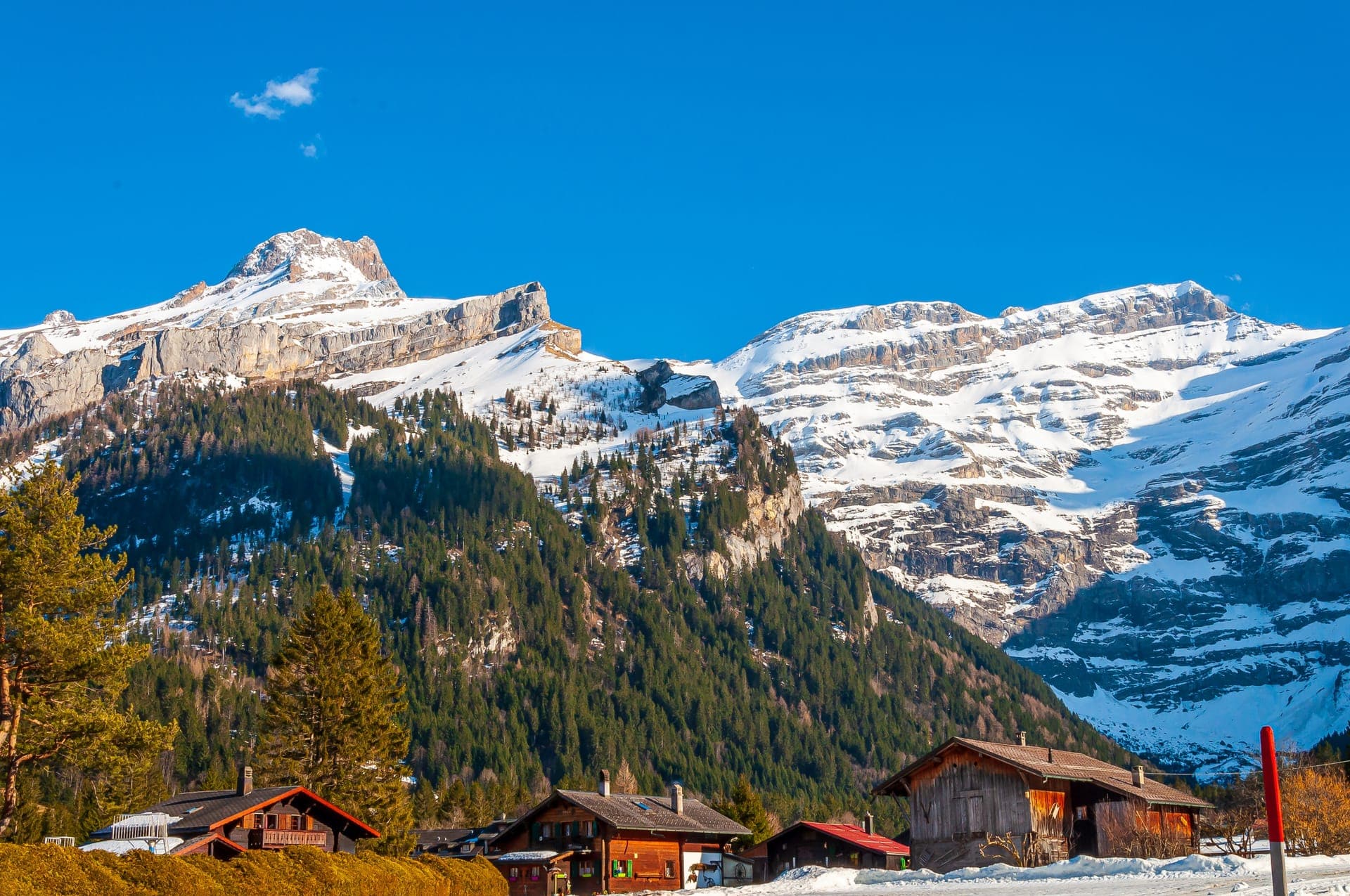
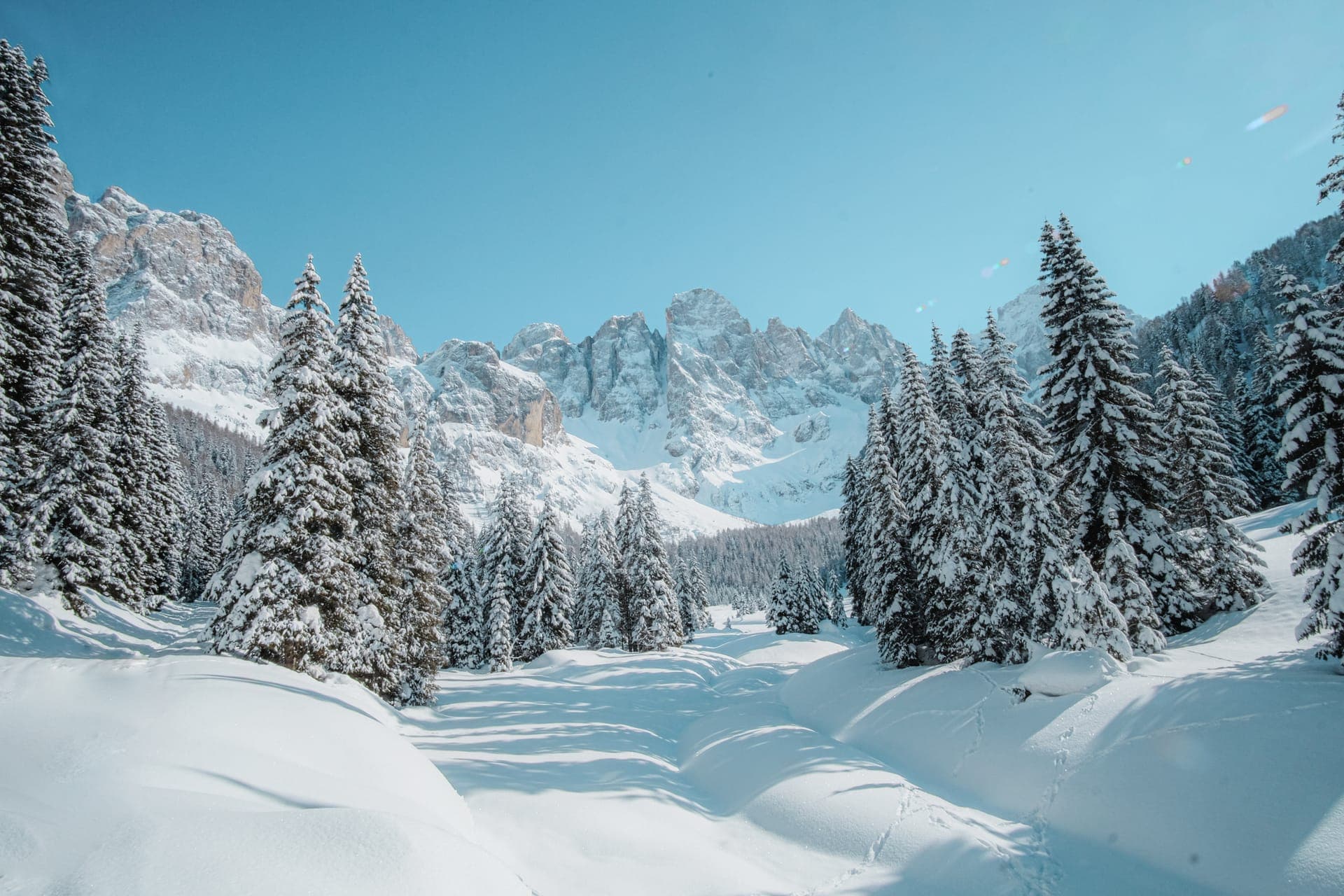
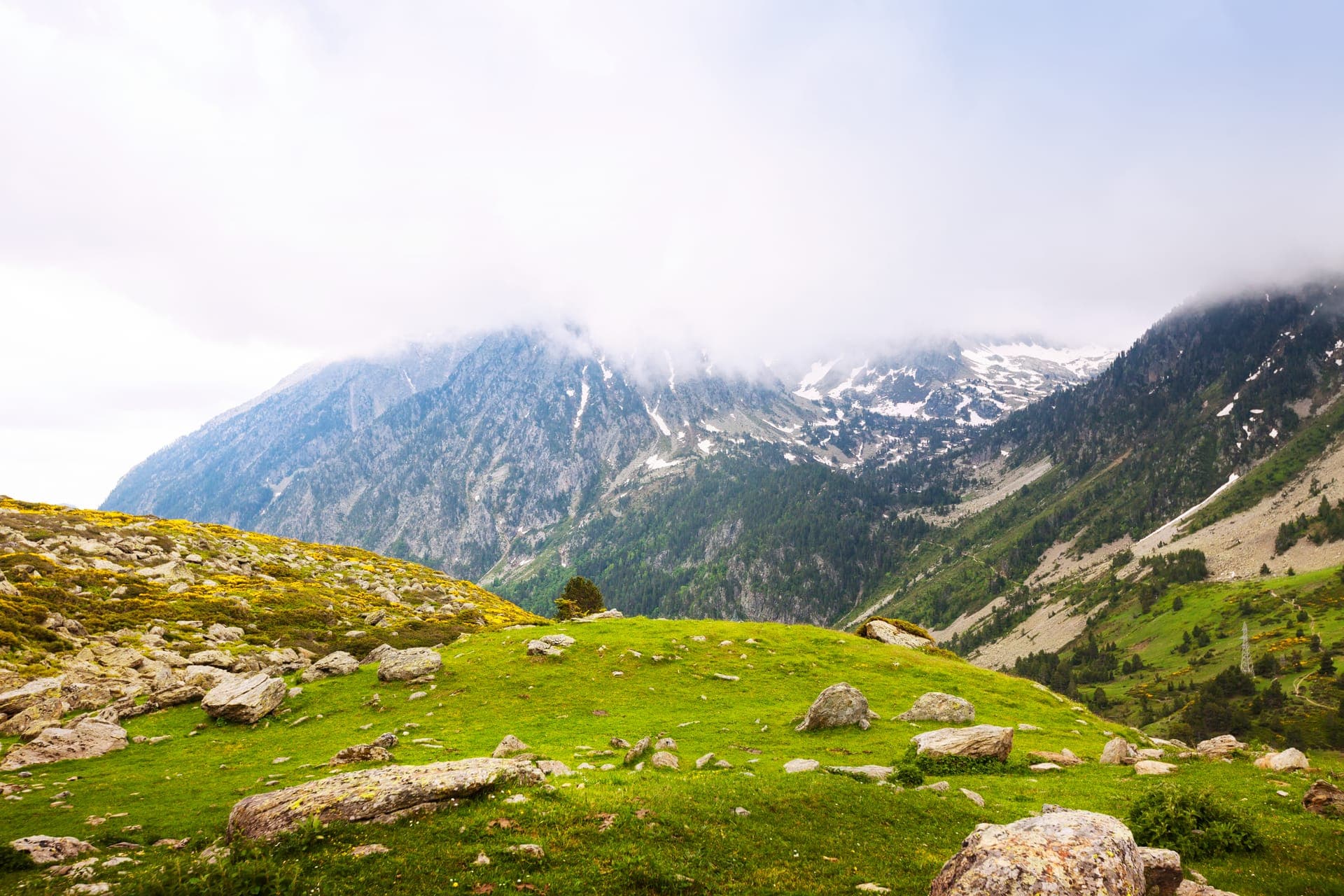
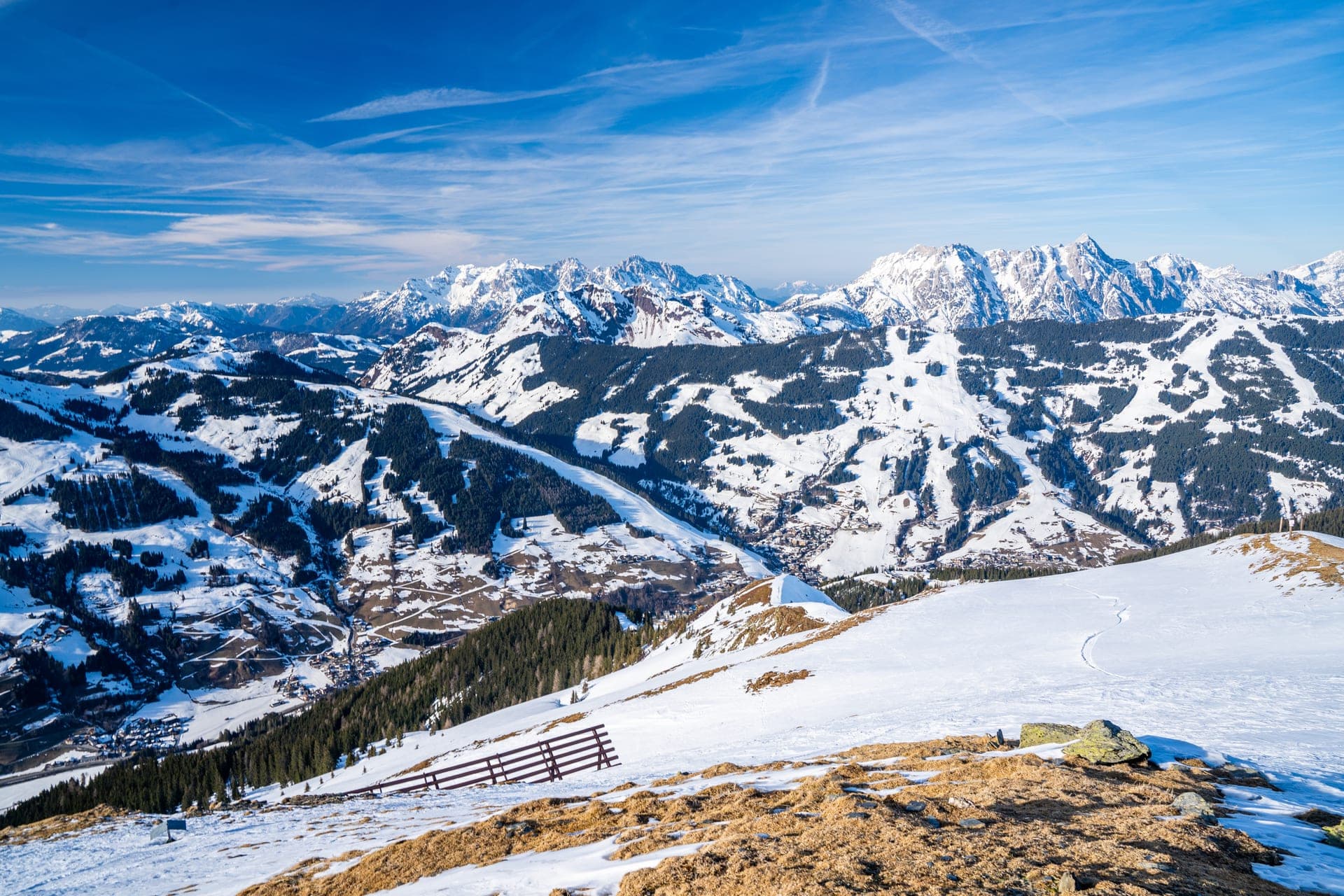
People forget that Germany has serious nature. In the south, you have the Alps. You can take a train right to Garmisch-Partenkirchen and go up the Zugspitze, the highest peak in the country. The views? Incredible. You’re staring right into Austria.
But if you head east, near Dresden, you’ll find Saxon Switzerland National Park. This is one of those scenic spots in germany that looks like it belongs in China or Pandora. Huge sandstone pillars shoot straight up out of the forest. The Bastei Bridge built between these rocks is a knockout photo spot.
And don't skip the Black Forest. It’s dark, dense, and yes, it’s where the cuckoo clocks come from. It’s great for hiking, and the cake—Black Forest Gâteau—tastes way better there than anywhere else.
If you’ve got kids (or you're just a big kid), there are plenty of family friendly attractions in germany.
Check out Miniatur Wunderland in Hamburg. It sounds nerdy—it’s the world's largest model railway—but it is mind-blowing. The detail is insane. They have a tiny airport where planes actually take off and land. You can lose four hours there easily.
Also, Europa-Park in the southwest is huge. It’s often voted better than Disneyland Paris by coaster enthusiasts because the rides are wilder and the lines are usually shorter.
If you want to escape the crowds, look for the hidden places in germany.
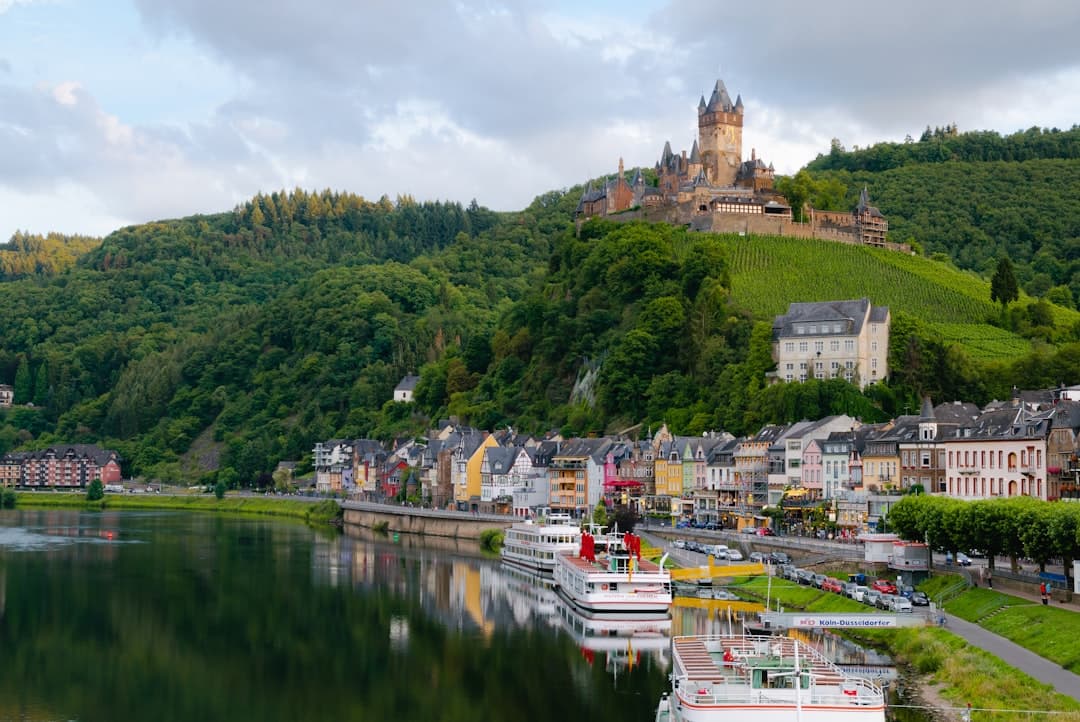
Try Quedlinburg. It’s in the Harz mountains and has over 1,000 half-timbered houses. It survived the wars mostly untouched. Or head to the Mosel Valley for wine. Most people go to the Rhine, but the Mosel is steeper, dramatic, and the Riesling is top-tier. You can bike along the river, stopping at vineyards every few kilometers. It’s a tough life, right?
Another spot is the island of Rügen in the Baltic Sea. It’s where Germans go on vacation. White chalk cliffs, long sandy beaches, and old-school resort architecture. It feels totally different from the rest of the country.
Here is where things get real. Germany still loves cash. I know, it’s 2024 (or whenever you're reading this), but seriously, carry cash. Smaller restaurants, bakeries, and kiosks often look at you like you’re an alien if you try to pay with a card.

Also, everything closes on Sundays. Grocery stores, pharmacies, shops—all shut. Restaurants and museums stay open, but don’t plan on doing your shopping on a Sunday.
Best Time to Visit Germany? It depends on what you want.
- •Summer (June-August): The weather is great, everyone is outside, beer gardens are packed. But it’s crowded and prices are high.
- •December: Christmas Markets. Germany invented them, and they do them best. Every town square turns into a village of wooden huts selling hot mulled wine (Glühwein). It’s cold and dark, but very cozy.
- •Shoulder Season (May or September): Probably the sweet spot. Good weather, fewer people.
German food is comfort food. Schnitzel, Bratwurst, Sauerkraut. It sticks to your ribs. But try the regional stuff too. In the south, try Kässpätzle (basically gourmet mac and cheese with onion). In the north, it’s fish sandwiches (Fischbrötchen) right off the boat.
And bread. Germans are obsessed with bread. Not the fluffy white stuff, but dark, dense, crusty loaves. A simple dinner of bread, cheese, and cold cuts (called Abendbrot) is a cultural institution.
So, why visit? Because Germany works. It’s safe, the infrastructure makes getting around a breeze, and the mix of old-world charm and modern grit is fascinating. Whether you're doing a full germany sightseeing itinerary or just a weekend in Berlin, you'll find something that sticks with you.