

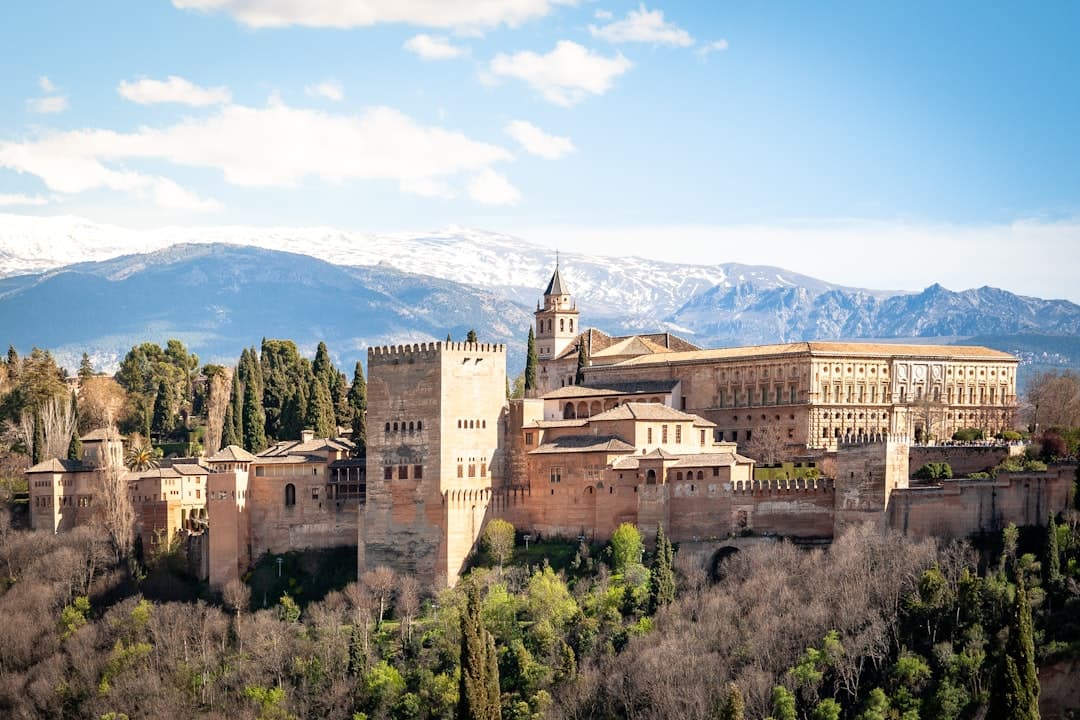
Look, if you're planning a trip to granada, you're making a seriously good choice. A lot of people just pass through on a day trip from Seville or Malaga. Their loss, honestly. This city has this weird, cool energy that makes you want to cancel your flight home and just eat free tapas forever. And I do mean free. We'll get to the food in a minute, but seriously, Granada changes how you think about travel budgets.
So, when should you actually pack your bags? Finding the best time to visit granada spain depends totally on how much you hate sweating. Summer here is brutal. Really brutal. We're talking 40°C (about 104°F) in July and August. You literally can't walk outside between 2 PM and 7 PM without melting into the pavement. Most locals just leave the city.
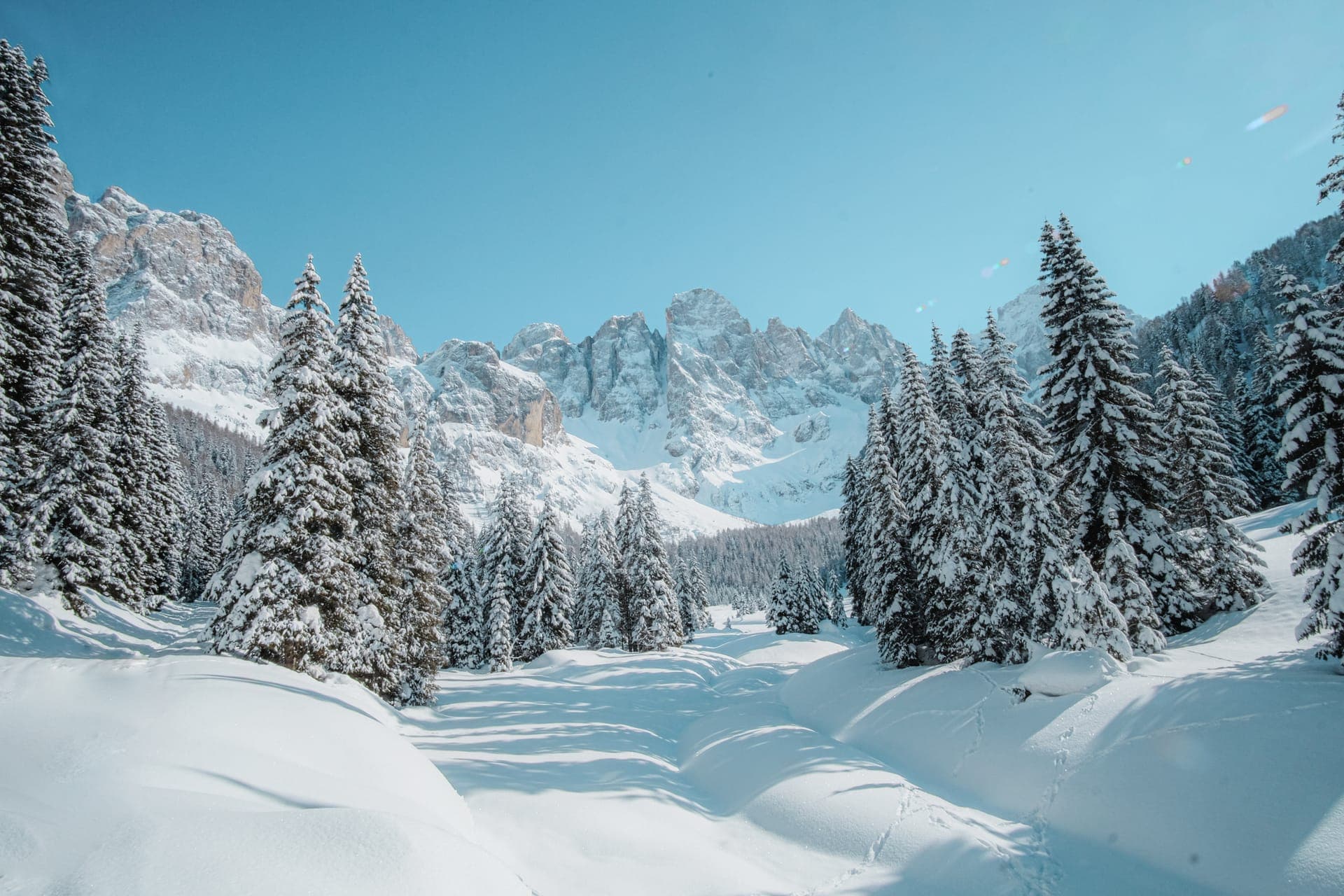
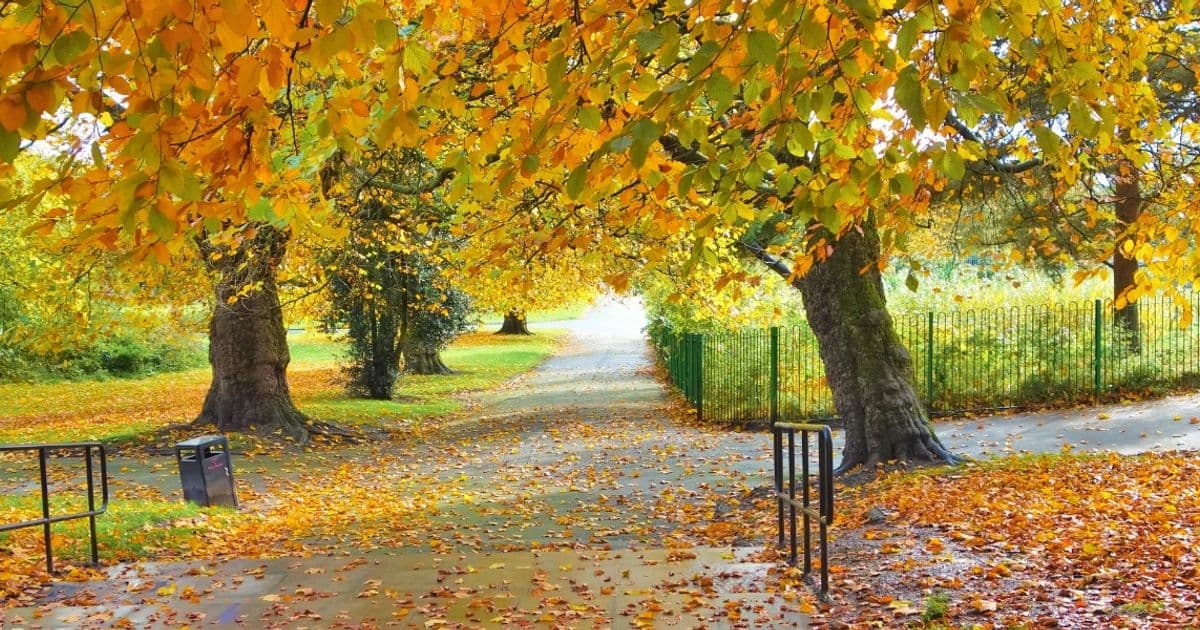
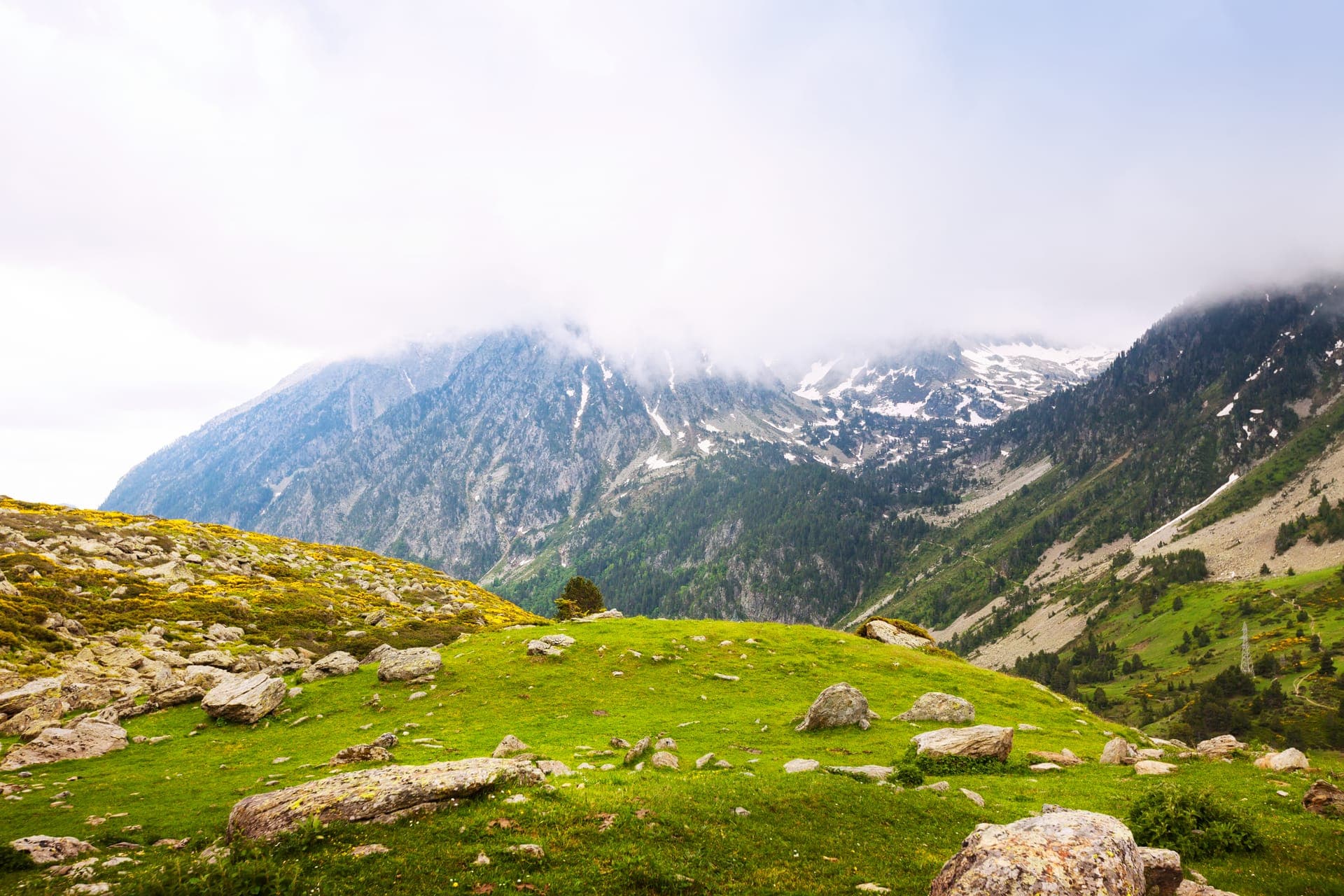
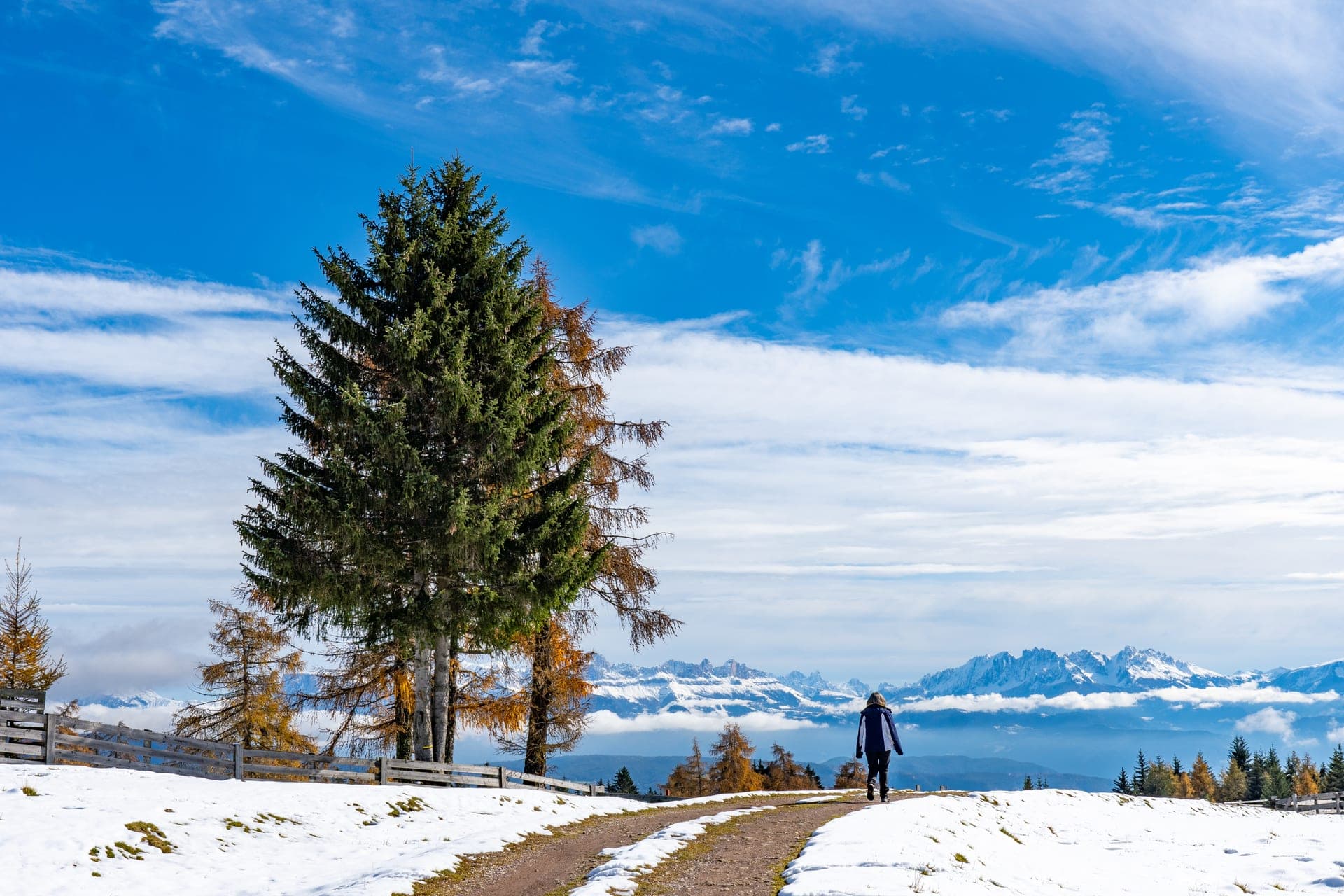
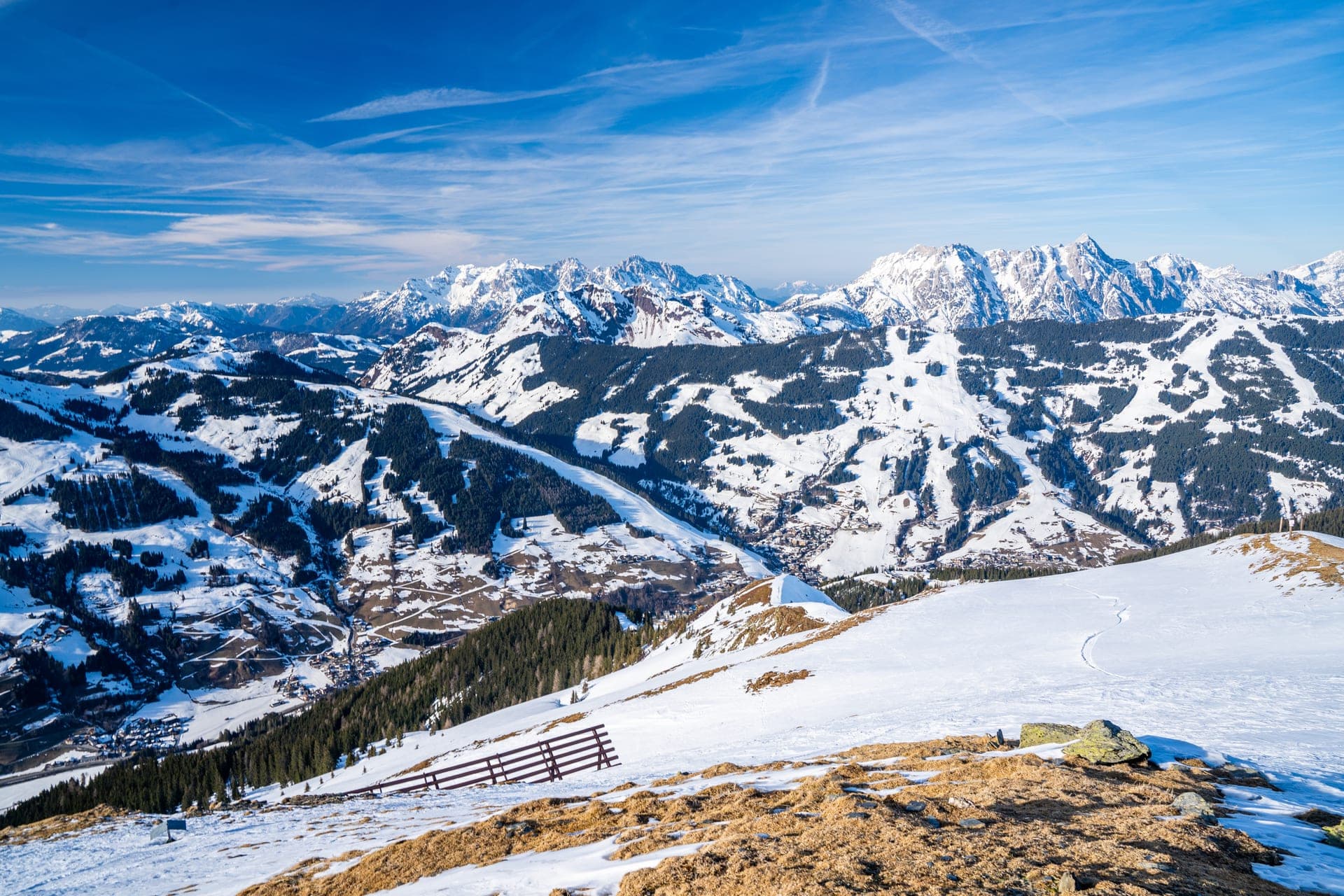
The actual best time to go to granada is either spring (April and May) or fall (September and October). The weather is sitting pretty around 20°C to 25°C. You can walk up the massive hills without needing a shower immediately after. Plus, if you go in May, you might catch the Cruces de Mayo festival. People set up giant flower crosses all over the streets and just drink and dance outside. It gets wild. Winter is surprisingly cold. It snows in the mountains right behind the city. You can actually ski in the Sierra Nevada mountains in the morning and eat tapas on the beach in Motril by the afternoon. Crazy, right?
If you're wondering how much time you need, two days in granada is kind of the bare minimum. Three is better. But with 48 hours, you can hit the heavy hitters without feeling completely exhausted.
Let's talk about the giant, beautiful elephant in the room: The Alhambra. It's the main reason people come here. It's an old Moorish palace complex, and it is massive. Like, your-feet-will-hate-you massive. But when is the best time to visit alhambra granada spain? Early morning. Book the 8:30 AM slot for the Nasrid Palaces. Why? Because the tour buses from the coast haven't arrived yet. You get to walk through those crazy detailed rooms without 400 people bumping into you with selfie sticks. Tickets cost around €19, and you absolutely have to book them months in advance. Do not just show up expecting to get in. They sell out weeks ahead of time. I've seen so many angry tourists get turned away at the gate.
If you want to understand what you're looking at, hiring a granada tour guide for the Alhambra specifically is pretty smart. There aren't a lot of plaques explaining the history, so a local can point out the weird little details in the plasterwork you'd definitely walk right past.
But what about the rest of the city? There are so many other places to visit in granada spain that cost absolutely nothing. The Albaicín is the old Arab quarter. It's just this massive maze of steep, narrow, cobblestone streets. Google Maps will fail you here. You will get lost. Just accept it. Eventually, you'll pop out at the Mirador de San Nicolás. You get this crazy, direct view of the Alhambra with the mountains behind it. Fair warning: it is always packed with people. If you want a similar view without having someone's iPad in your face, walk another 15 minutes up the hill to the Mirador de San Miguel Alto. Your legs will burn, but you'll pretty much have the view to yourself.
When making your list of places to go in granada, you have to include Sacromonte. It's the old Roma neighborhood, and people literally live in caves carved into the side of the mountain. A lot of these caves are now flamenco venues. Yes, some of them are pretty touristy. But sitting in a white-washed cave, feeling the floor shake while people dance two feet in front of you? It's intense. Expect to pay about €25 to €35 for a show, usually with a drink included.
Okay, we need to talk about the food. Granada is one of the last cities in Spain that still does the traditional free tapas thing. Here's how it works. You walk into a bar. You order a beer, a wine, or a soda (usually costs between €2.50 and €3.00). The bartender gives you your drink, and right behind it comes a plate of food. And I'm not talking about a bowl of cheap olives. I'm talking a mini burger, a plate of fried fish, meatballs in sauce, or paella. Order another round? You get a different, usually slightly better, plate of food. Three drinks in, and you've basically had dinner for under 10 bucks.
Check out Calle Navas if it's your first time. It's a street literally lined with tapas bars. Los Diamantes is super famous for fried seafood. It gets incredibly loud and crowded, and you'll probably have to stand, but the fried shrimp is worth the hassle. If you want something a bit more relaxed, wander down to the Realejo neighborhood.
Getting around the city is pretty straightforward. You walk. A lot. The center is mostly pedestrian-only, which is great until you realize your Airbnb is at the top of a giant hill. Taxis are cheap though—usually under €7 for a trip across the center. There are also these little red minibuses (the Alhambra bus and the Albaicín bus) that squeeze through the tiny streets. A ride is about €1.40. Take the bus up, walk down. That's the smartest way to do it.
If you're flying in, the Granada airport is tiny. A bus ride into the city costs €3 and takes about 45 minutes. A lot of people fly into Malaga instead because flights are way cheaper, then take the ALSA bus up to Granada. That bus takes about 90 minutes and costs roughly €12. The trains are also great, especially if you're coming from Madrid. The high-speed AVE train gets you here in about three hours.
Basically, Granada is just easy to love. It feels gritty and real, but also incredibly beautiful. You spend your days drinking cheap wine, eating amazing food, and staring at centuries-old palaces. It doesn't feel manufactured for tourists, even though there are tons of them. The locals are loud, the bars are messy, and the streets are confusing. It's messy in the best possible way. Just remember those walking shoes.