Okay, let's talk about this crazy island up in the North Atlantic. If you're reading this, you probably want a real guide to iceland without all the usual travel fluff. So here's the absolute truth. This place is cold, it's windy, and your wallet will probably cry a little. But is it worth it? Absolutely.
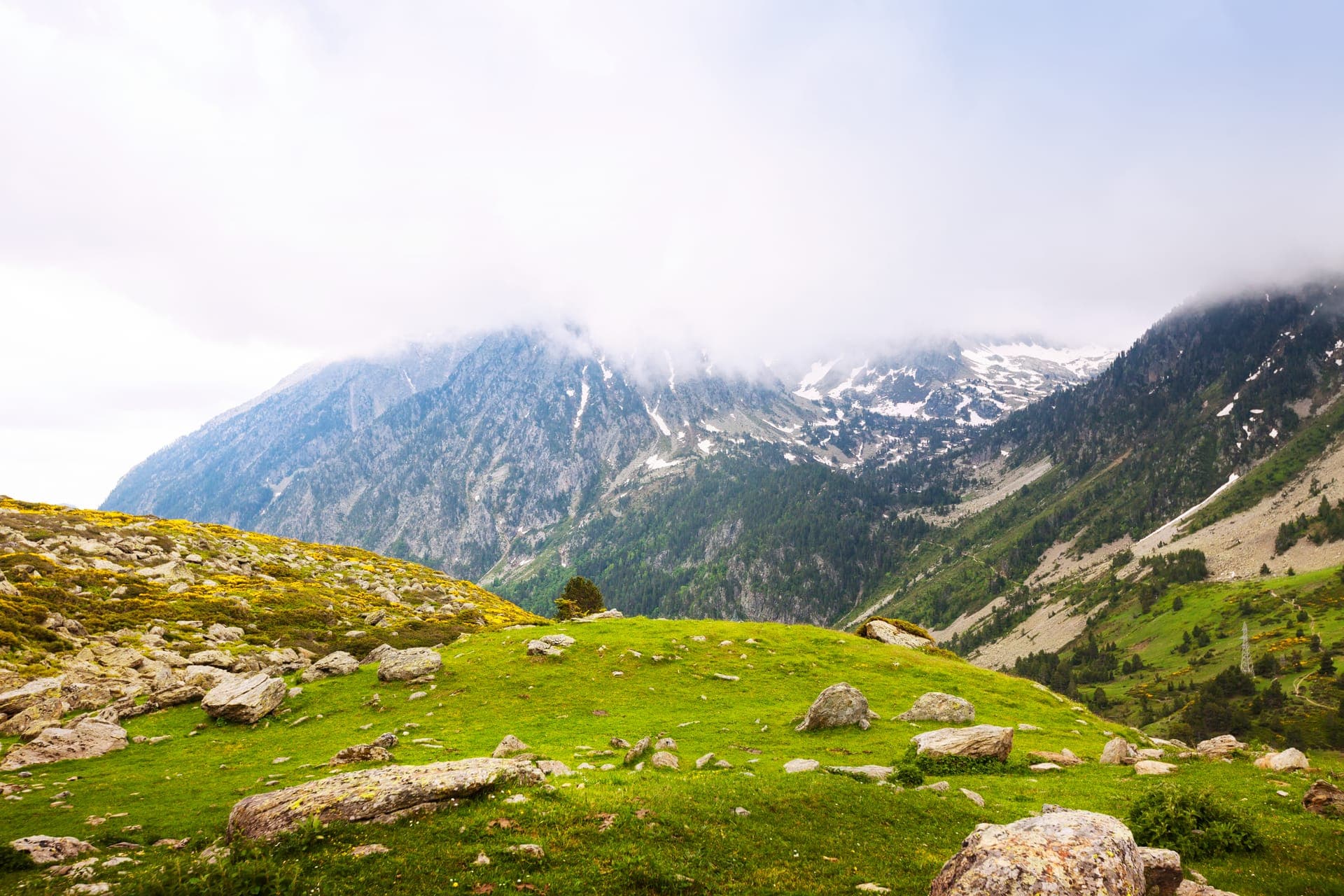
You've probably seen a million Instagram videos of people floating in milky blue water or standing in front of giant waterfalls wearing yellow raincoats. It looks completely fake. I thought it was heavily edited, too, until I got there and realized it actually looks exactly like that. You drive down Route 1, and every five minutes you have to pull over because there's another massive glacier just sitting right next to the highway.
People always ask me about the best time to visit iceland. Honestly, it completely depends on what you want out of the trip. Summer gives you 24 hours of daylight. You can literally hike up a volcano at 2 AM. It's weird but awesome. Winter? That's a whole different animal. It's dark most of the day, but that brings us to the main event.
The lights. You know what I'm talking about. Seeing the aurora lights iceland produces is probably at the top of your bucket list. A lot of folks just book a standard northern lights tour iceland has available from Reykjavik, hop on a big bus, and hope for the best. (Sometimes that works, sure.) But if you really want to see the northern lights over iceland in all their glory, you need a rental car and an app that tracks solar activity. Just drive away from the city lights. Pull into a dark, empty parking lot (safely, of course), kill your headlights, and wait. The connection between iceland and northern lights is legendary for a reason. When the sky actually turns green and purple, it'll mess with your head in the best way possible.
Let's talk money, because this country is expensive. Really expensive. A basic meal at a sit-down restaurant can easily cost $40 per person. A beer? $10 to $15. If you want to survive without going completely bankrupt, you have to get familiar with hot dogs. Seriously. The local hot dog is basically a national institution. They use lamb meat, and they top it with crispy onions, sweet mustard, and remoulade. You can get one at almost any gas station for about $4.

Also, shop at Bónus grocery stores. It's the one with the weird, slightly terrifying pink pig logo. Buy bread, skyr (it's like thick yogurt, super good), and make your own lunches. Finding cheap places to eat in iceland takes some effort, but it saves you hundreds of dollars.
You absolutely need a car to get around. Public transport outside the main city is pretty much non-existent. Renting a car in iceland can be tricky in winter, so getting a 4x4 is smart if you plan on driving in the snow. But a standard 2WD is totally fine if you're just sticking to the Golden Circle in the summer.
Speaking of the Golden Circle, it's crowded. Really crowded. You'll see tour buses everywhere. But you still have to do it. You've got Thingvellir National Park, where you can actually walk between the North American and Eurasian tectonic plates. Then there's Geysir. It shoots boiling water 100 feet in the air every few minutes. Don't stand downwind. Trust me. And Gullfoss is a waterfall so massive it literally shakes the ground you stand on.
Before I forget, we have to talk about the hot springs. Everyone knows about the Blue Lagoon. It's the one you see in all the ads. Is it a tourist trap? A little bit. It's expensive and packed with people, but soaking in 38-degree milky blue water while the air is freezing is still pretty great. But if you want a better tip? Check out the Sky Lagoon right outside Reykjavik. It has this massive infinity edge that looks right out over the ocean. Plus, they have a seven-step spa ritual that involves a glass sauna and a freezing cold plunge pool. It feels less like a theme park and more like an actual spa day.
If you only have a few days, focus on the South Coast. You leave the city, and within an hour you're staring at Seljalandsfoss. That's the waterfall you can walk behind. Bring a waterproof jacket because you will get soaked. Just down the road is Skógafoss. If you're feeling energetic, climb the 500 stairs to the top. Your legs will burn, but looking down at the water crashing below is wild.
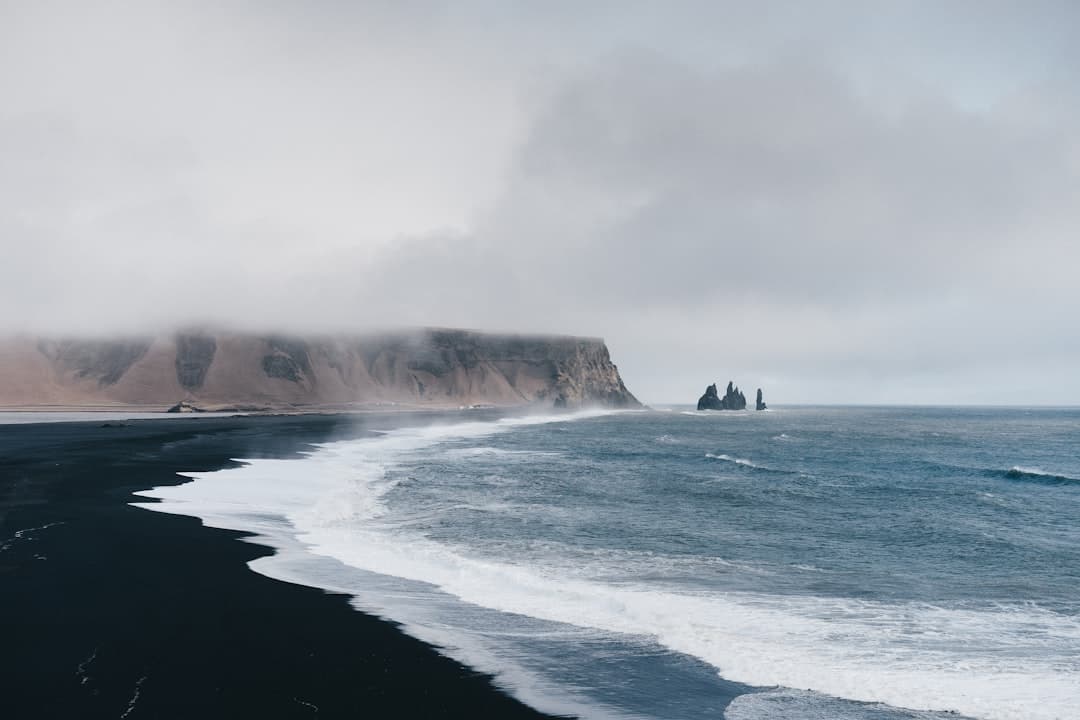
Keep driving east and you hit the black sand beaches near Vík. The waves here are dangerous—they literally call them 'sneaker waves' because they run up the beach super fast and can pull you right out to sea. So don't turn your back to the ocean. Ever.
Further east is the famous glacier lagoon, Jökulsárlón. Huge chunks of blue ice just float around in this massive lake before drifting out to the ocean and washing up on Diamond Beach. It's freezing there, even in August, so pack gloves.
What to pack for iceland? Layers. I cannot stress this enough. The weather changes every ten minutes. You might be wearing a t-shirt at noon and a heavy winter parka by 1 PM. Forget about umbrellas; the wind will snap them in two seconds flat. Get a solid windproof and waterproof outer layer. Good hiking boots are completely non-negotiable, too. You'll be walking on uneven lava fields and muddy trails all day.
A quick warning about driving the ring road in iceland. Don't stop in the middle of the road to take photos of the sheep or the fuzzy horses. I know they're cute, but people actually cause serious accidents doing this. There are plenty of designated pull-offs. Also, watch out for single-lane bridges. The rule is whoever gets there first has the right of way, which sounds crazy, but it somehow works.
Look, you just need to go. It's one of those trips that ruins other trips for you because the nature is just so intensely in your face. Skip the fancy hotels. Rent a camper, eat gas station hot dogs, chase the green lights in the sky, and get a little dirty. You'll sleep well on the flight home, I promise.