Let's be real for a second. If you are reading this, there is a 99% chance you are planning a trip to Mata Vaishno Devi. That is why everyone comes to Katra. It is the engine that keeps this town running. But here is the thing—I have spent enough time here to know that rushing through Katra, doing the trek, and immediately hopping on a train back home is a rookie mistake.
You are in the foothills of the Himalayas. The air is crisp (well, mostly), the food is comforting, and there are some seriously cool spots nearby that most tourists completely ignore. So, grab a cup of tea, and let’s talk about how to do this trip right. This isn't just a list; it's a proper Katra travel guide for tourists who want the full experience.
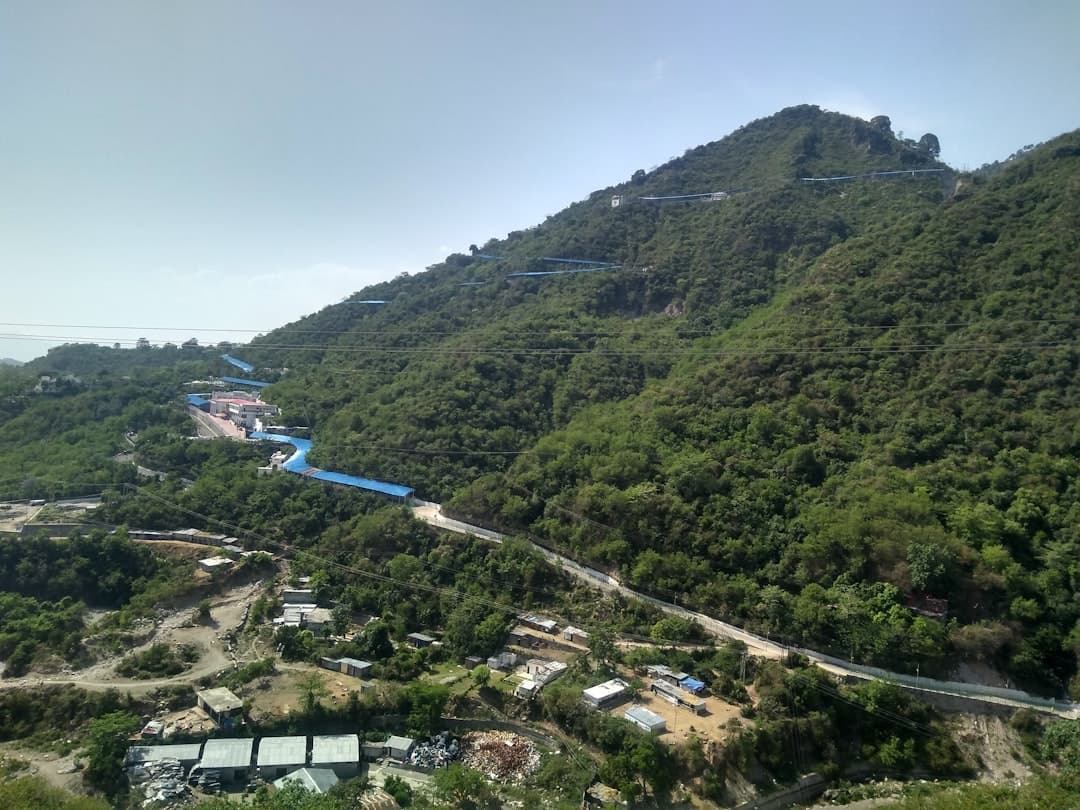
When you step off the train at the Shri Mata Vaishno Devi Katra Railway Station, it hits you. The energy is intense. You see families organizing their bags, sadhus walking with purpose, and the Trikuta Mountains looming massive in the background. It’s loud, it’s busy, and it’s exciting.
The town itself is basically one long market. You’ve got shops selling dry fruits (walnuts here are cheap, by the way), shawls, and religious souvenirs on every corner. Hotel agents might pester you a bit, but a polite "no thanks" usually works.
I can't skip this. The 12-13 kilometer trek is the heart of the experience. It starts at Banganga check post. A quick tip: Get your Yatra Parchi (RFID card) online beforehand or at the station as soon as you land. You literally cannot enter the track without it.

The path is paved, well-lit, and safe. You’ll see people of all ages—from toddlers on shoulders to grandmothers with determination that puts gym-goers to shame. If walking isn't your thing, there are ponies, palkis (palanquins), and even a helicopter service to Sanjhichhat.
But if you can walk, do it. The view at night? It looks like a glittering necklace laid out on the black mountain slope. It’s one of those top tourist attractions in katra that isn't really a "place" but a feeling.
Okay, let's say you've done the darshan, your legs are sore, and you have a day to kill. What now? Most people just sleep, but you shouldn't. There are scenic spots near Katra that are totally worth the taxi fare.
This is about 70-80 kilometers from Katra, and it is a must. It’s a natural cave dedicated to Lord Shiva. The cave gets narrow—really narrow—at the end, so if you are claustrophobic, maybe sit this one out. But inside? There is a natural Shivalinga formed by limestone.
The drive there is beautiful too. You pass through smaller villages and get a real feel for the Jammu region. It’s easily one of the best places to visit in katra jammu if you extend your radius a bit.
Not too far from the main town, this is a smaller, cave-temple shrine. It’s much quieter than the main Yatra track. You have to crawl through a small cave entrance to see the deities. It feels ancient and raw. If you are looking for hidden places in katra that aren't overrun by millions of people, this is a good bet.
This spot is lovely. It’s about 15km away. You have a temple, yes, but the highlight is the spring water flowing through the rocks and forming these beautiful little pools. It’s incredibly peaceful. The sound of the water, the greenery, the lack of honking cars—it’s a perfect picnic spot. Just watch out for the monkeys; they are confident and will steal your chips.
You cannot come to Jammu and not eat Kalari.
What is Kalari? Imagine mozzarella cheese, but denser and more flavorful. They fry it until it's crispy on the outside and gooey on the inside, then slap it between buns or serve it with chutney. It’s called a Kalari Kulcha. Do not leave without trying it.
Also, the Rajma Chawal here is legendary. Since we are in North India, the kidney beans are cooked with tons of spices and ghee. It’s heavy, it’s sleepy food, and it’s delicious. For a town that is strictly vegetarian (no meat or eggs allowed within the municipal limits), the food scene is strong.
This is tricky. The best time to visit katra depends on your tolerance for crowds.
- •Summer (May-June): It gets hot. Really hot. We are talking 35-40°C during the day. The trek becomes a sweat-fest unless you walk at night.
- •Monsoon (July-August): It rains, and there's a risk of landslides. The track can get slippery. Not ideal.
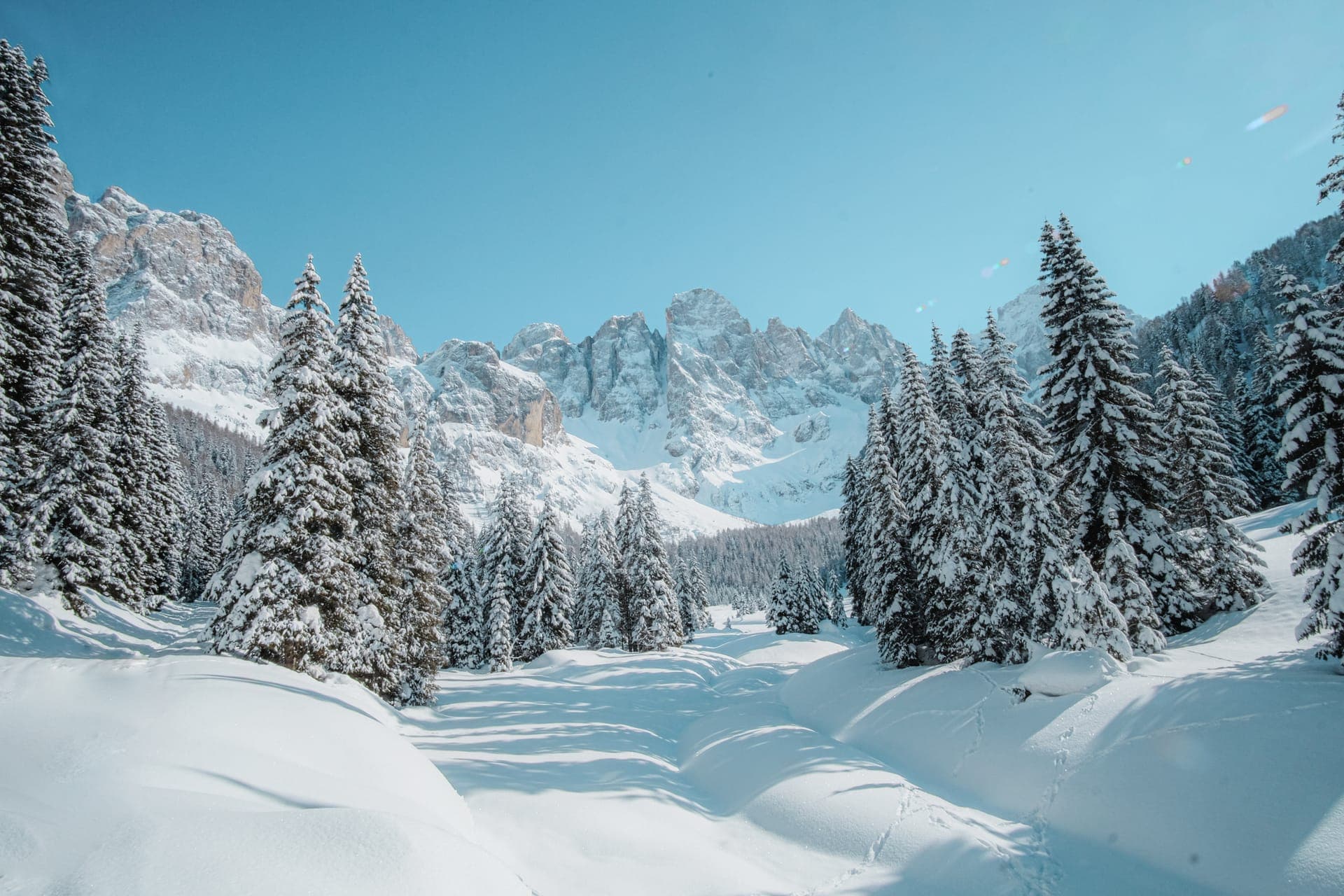
- •Winter (October-March): This is my favorite time. It’s cold, crisp, and sometimes you even see snow on the upper peaks near the Bhawan. Walking is much easier when you aren't sweating buckets.
- •Navratri: Only go during Navratri if you are extremely religious and don't mind standing in lines for 12+ hours. The decoration is beautiful, but the crowd is insane.
If you want a solid katra sightseeing itinerary, try this:
- •Day 1: Arrive, get your RFID card. Rest a bit. Start your trek in the late afternoon. Reach the top by night, do the darshan early morning.
- •Day 2: Come down (take the battery car or ropeway part of the way if you’re tired). Sleep for a few hours. In the evening, head to the local market near the bus stand. Eat Kalari Kulcha. Buy some walnuts.
- •Day 3: Hire a taxi. Go to Shiv Khori or Baba Dhansar. Enjoy the scenic spots near katra. Catch your evening train out.
Absolutely. This is probably one of the most family friendly attractions in katra simply because the infrastructure is built for it. There are toilets everywhere, water points, medical units, and plenty of places to sit. Just keep an eye on the kids in the market areas; it gets super crowded.
You'll see lots of blogs talking about "untouched" spots. In Katra, that's rare. But if you drive out towards Reasi, you can find spots by the Chenab river that are quiet. The Chenab Rail Bridge (world's highest) is also in the Reasi district. It's an engineering marvel. While you can't walk on it yet, viewing points nearby are becoming top tourist attractions in katra vicinity.
- •Sim Cards: Prepaid sims from other states usually stop working in J&K. You might need a postpaid connection or buy a local sim (which takes time to activate). WiFi is available at hotels, but don't count on 5G everywhere.
- •Monkeys: I mentioned them before, but seriously, on the trek, keep food inside your bag. If they see a packet of biscuits, it is theirs now.
- •Massage: You will see hundreds of massage shops offering foot massages after the trek. Some are great, some are just guys rubbing oil on your shins for 20 minutes. Negotiate the price before you sit down.
- •Dry Fruits: Don't buy from the first shop. Walk inside the lanes. The quality is better and prices are lower.
Katra is intense. It’s a mix of deep devotion and commercial hustle. But if you look past the souvenir shops and the touts, it’s a place with a lot of soul. The mountains have a way of making you feel small in a good way.
Whether you are here for the Goddess or just accompanying someone who is, take a moment to look at the view. Eat the local cheese. Visit the waterfalls. It’s these little things that turn a pilgrimage into a proper trip. Enjoy the journey!