
Look, let's get one thing straight before you even pack your bags for Nagaland. Kohima is going to test your legs. The whole city is built on steep ridges. You're basically always walking uphill or downhill. But honestly? It's probably one of the most interesting capitals in the northeast.
When you're putting together your kohima travel guide, you need to know getting here is half the adventure. You'll probably fly or take a train into Dimapur first. From there, it's about a 74-kilometer drive up to Kohima. Doesn't sound too bad, right? Well, the road condition can be totally unpredictable. Sometimes a shared yellow Tata Sumo taxi will get you there in three hours for about 350 rupees. Other times? You might get stuck behind endless trucks. Just grab a window seat, enjoy the cool air as you climb higher, and listen to the driver's blasting Naga pop music.
Once you arrive, the weather hits you immediately. It's cool. Even in May, you might want a light jacket in the evenings. And finding the best time to visit kohima really depends on what you want to do. If you hate the rain, avoid June through September. The monsoon here is aggressive. We're talking non-stop pouring for days. October to April is much better, with December being the craziest month because of the Hornbill Festival.
Let's talk about the food, because eating is honestly one of the best things to do in kohima. If you're a vegetarian, I won't lie to you—your options are going to be a bit limited. Nagaland is meat country. You have to try the smoked pork cooked with bamboo shoots. It's incredibly flavorful and usually served with local red rice. Head down to Mao Market or high-street areas and you'll find tiny local joints selling massive plates for around 200 rupees. Oh, and you have to be brave and try something with Axone (fermented soybean) or the famous Raja Mircha (ghost pepper). Just... maybe keep a bottle of water handy. It burns. Really badly.

For your main kohima sightseeing, you can't ignore the past. Right in the middle of town sits the Kohima War Cemetery. It's right on the slopes of Garrison Hill. Back in 1944, this was the site of one of the most brutal battles of World War II. The Japanese army made it this far into India, and the British and Indian forces fought them literally across a tennis court. Today, it's beautifully maintained by the Commonwealth War Graves Commission. You'll see rows of bronze plaques and crosses. Reading the epitaphs on the graves of 18-year-old soldiers is incredibly sobering. Most tourists spend about an hour here. It's quiet. A weirdly peaceful spot right above the noisy traffic of the main road.
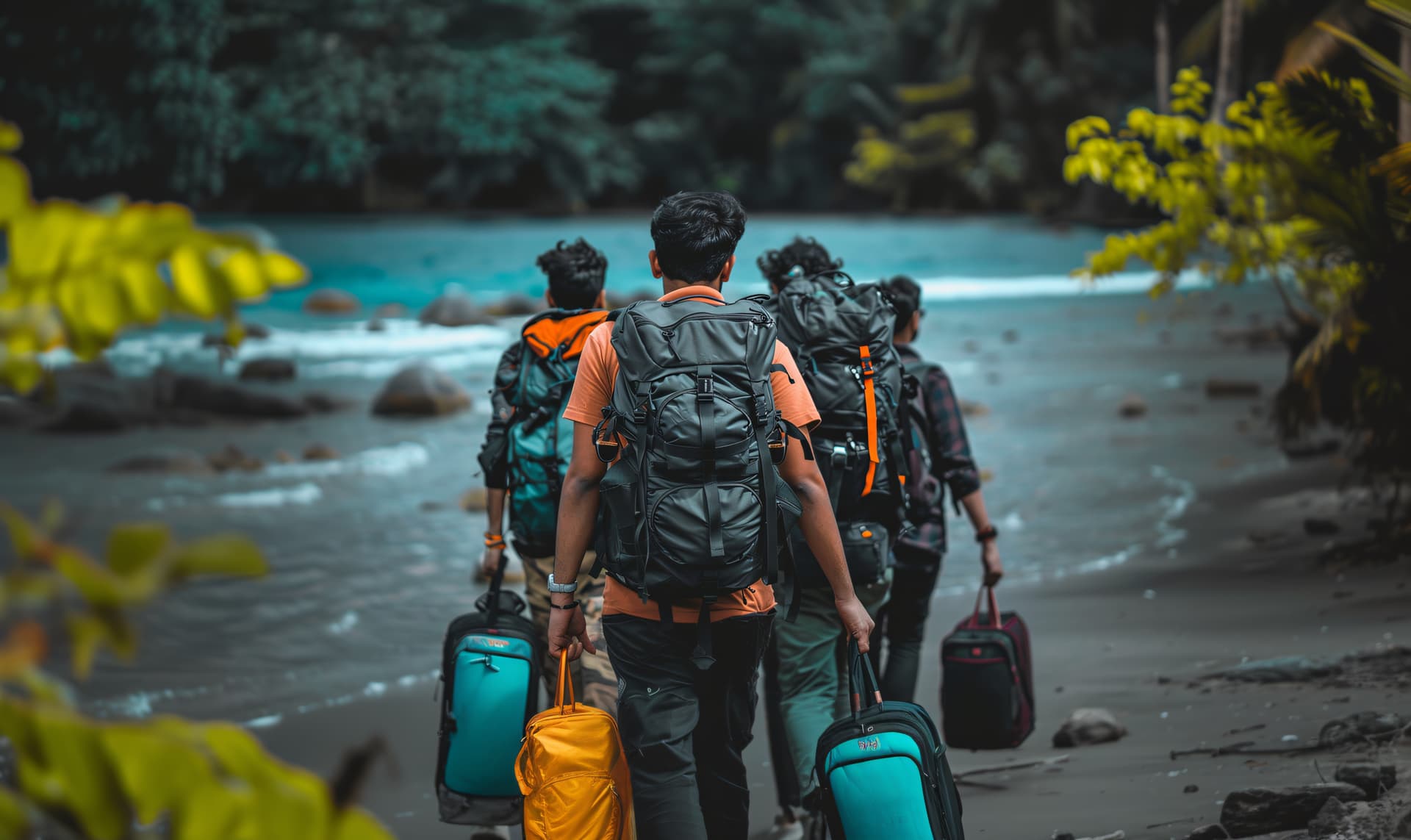
Anyway, what about the outdoors? When you look up places to visit in kohima, almost everyone talks about the Dzukou Valley. And yeah, the dzukou valley trek kohima is the real deal. It's not a walk in the park. You'll need to drive out to either the Viswema or Zakhama starting points. Viswema is about 25 kilometers from town. You can hire a private taxi for maybe 1500 rupees to drop you at the trek base. The first hour of the Viswema route is a brutal, steep stone staircase. Your thighs will burn. But once you reach the top and look down into the valley? It's just endless rolling green mounds. No trees, just a specific type of dwarf bamboo that covers everything. You can pay 50 rupees for entry, and sleep in a super basic dorm at the guest house for a few hundred bucks. Bring your own sleeping bag though. It gets freezing at night, dropping to almost zero degrees.
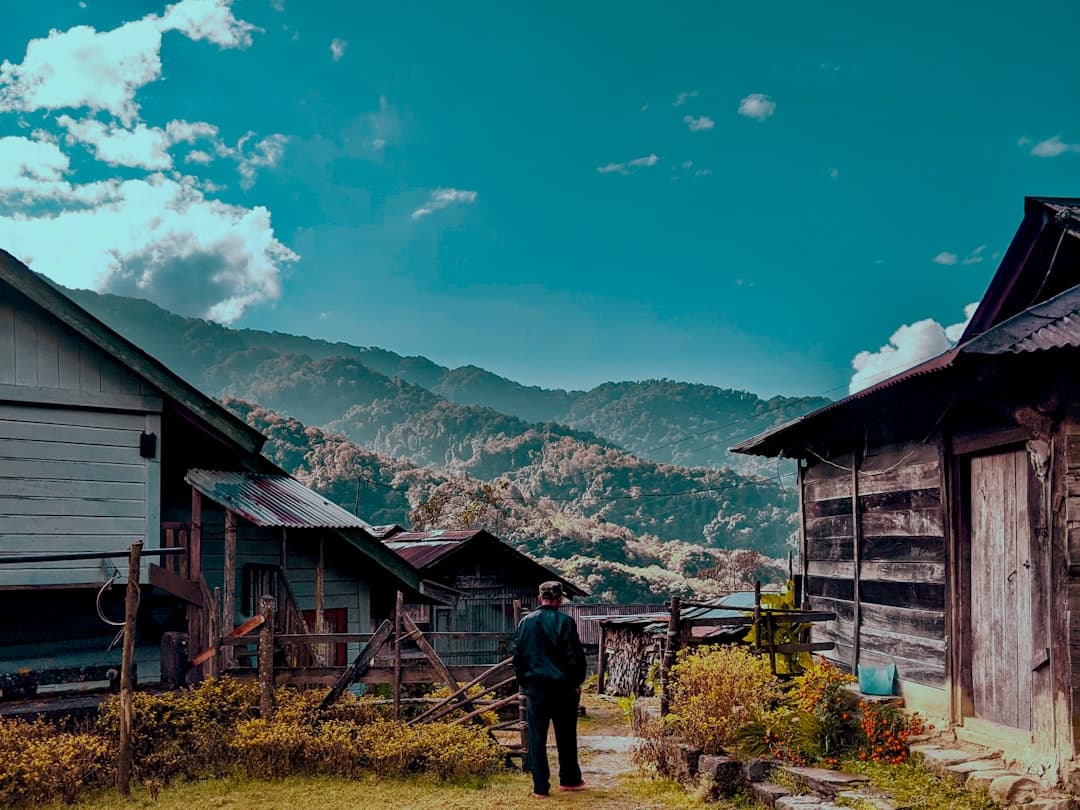
If you're not up for a massive trek, add Khonoma to your list of kohima attractions. It's a village about 20 kilometers west of the city. Why go there? It's famous for being India's first green village. The locals actually banned hunting and logging a couple of decades ago to protect the local Blyth's Tragopan bird. You pay a small entry fee at the gate (around 50 rupees), and a local guide will walk you through the narrow stone paths. They'll show you the Morungs (traditional gathering houses) and tell you stories about how the Angami warriors fought off the British. The terraced fields out there are massive. It's a great half-day trip.
You also need to figure out the local schedule. Everything in this city shuts down early. By 5:00 PM, shops start rolling down their metal shutters. By 7:00 PM, the streets are pretty much dead. Nightlife isn't really a thing here. Locals eat dinner early and hang out at home. So, plan your days to start at 6:00 AM instead. Wake up, grab some hot black tea and local fried bread from a street stall, and get moving.
A lot of people ask about the Hornbill Festival. If you visit in the first week of December, the entire state gathers at Kisama Heritage Village (about 12km from the city center). It's loud, colorful, and completely packed. Every single Naga tribe builds their own traditional house, performs dances, and sells their specific local rice beer (Zutho). The rice beer costs about 100 rupees for a massive bamboo mug. It's slightly sour and totally unique. But remember, if you want to visit during Hornbill, you need to book your hotels months in advance. Room rates double, sometimes triple, and taxis charge whatever they want.
Let's cover some practical stuff. You need an Inner Line Permit (ILP) to enter Nagaland if you're an Indian citizen from another state. Don't panic, it's super easy to get online now. Costs about 50 rupees. Foreigners don't need the ILP anymore, but they do have to register at the local police station within 24 hours of arriving. Keep cash on you. ATMs exist, especially around the main Post Office area, but they frequently run out of cash or just randomly stop working because of power cuts. And power cuts happen a lot.
One thing you'll quickly notice is the heavy influence of the church. The vast majority of the population here is Christian, specifically Baptist. Sunday is a complete rest day. And I mean complete. You won't find a single shop open, taxis are off the roads, and the streets are filled with people wearing their absolute best clothes heading to Sunday service. If you're planning your travel itinerary, do not plan to travel or do major tourist activities on a Sunday. You'll just be stuck in your hotel room. Buy your snacks and water on Saturday evening.

Another spot you might want to check out is the State Museum. It's about a mile and a half south of the main town center. It's not a massive, flashy museum with touch screens and fancy lighting. It's pretty old-school. But it's totally worth the 20 rupee ticket. You get to see the actual weapons, traditional dresses, and massive ceremonial drums of all the 16 major Naga tribes. It really helps you understand the differences between the Angami, the Ao, the Konyak, and the other groups before you head out to the surrounding villages. You can easily kill an hour or two in there.
Let's revisit the packing list for a second. Even if you're not doing the big valley hike, you need layers. The mornings are crisp. By noon, if the sun is out, it gets surprisingly hot. You'll be sweating through your t-shirt while climbing up to the cemetery. Then by 4:00 PM, the wind picks up and you'll be digging in your bag for that fleece jacket. Also, bring a physical power bank. Like I said before, those power cuts are random. Sometimes you lose electricity for ten minutes, sometimes for six hours. You don't want your phone dying right when you need to check Google Maps.
Navigating the city is mostly done via local shared Maruti Omnis or walking. But seriously, rely on your feet if you want to see the real local life. Wander through the local markets. You'll see things you won't find anywhere else in the country—bamboo baskets, wild honey, and buckets of live frogs or woodworms being sold for dinner. It's raw, it's real, and it's fascinating.
Most travelers just rush through here on their way to somewhere else. Their loss, honestly. If you slow down, chat with the shopkeepers, and get used to the steep hills, you'll start to get why this place is so special. Just pack a good pair of walking shoes and an open mind. Oh, and maybe some antacids if you plan on going heavy on the ghost peppers.