
Your Unfiltered Guide to Lakshadweep
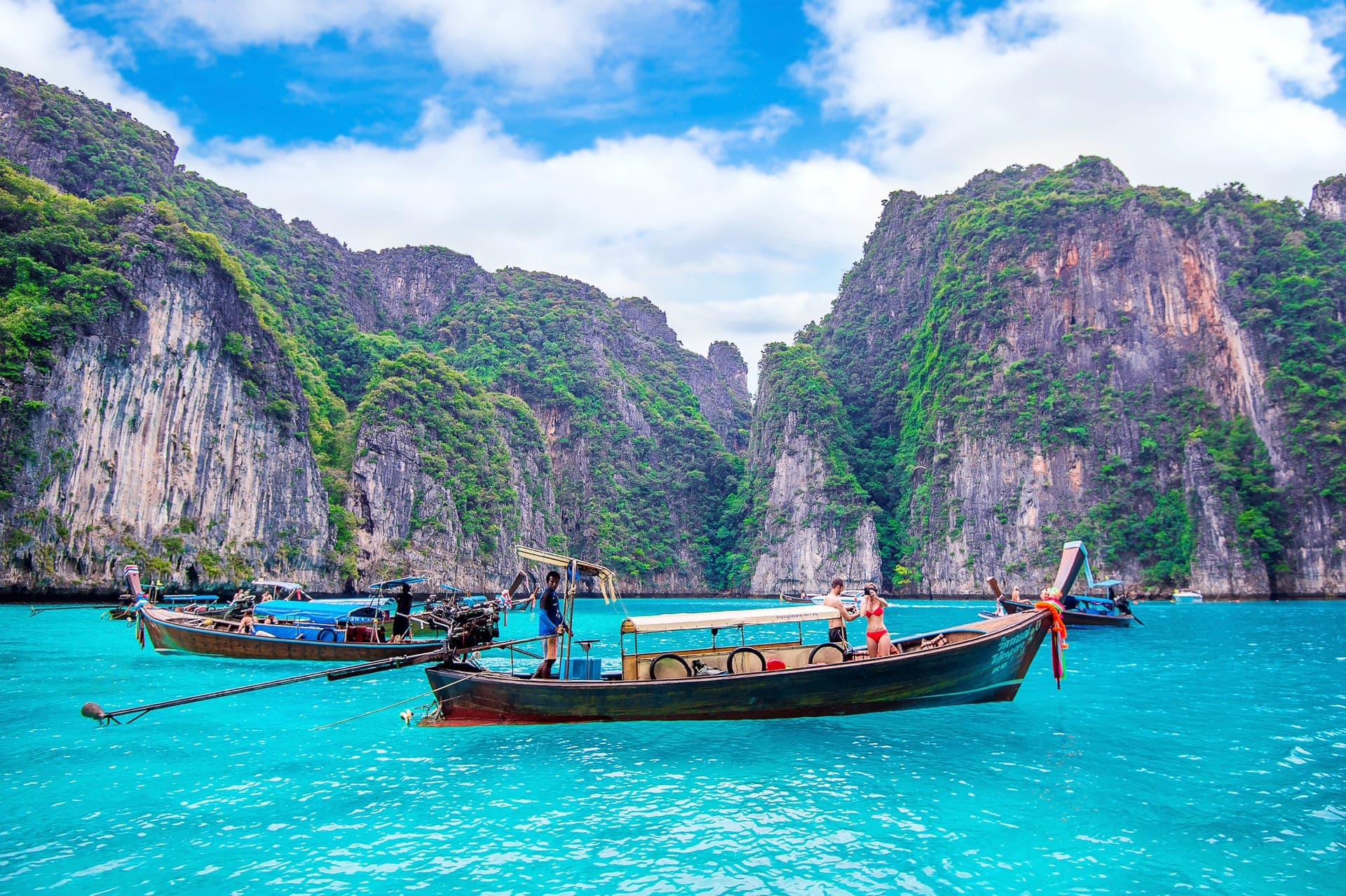
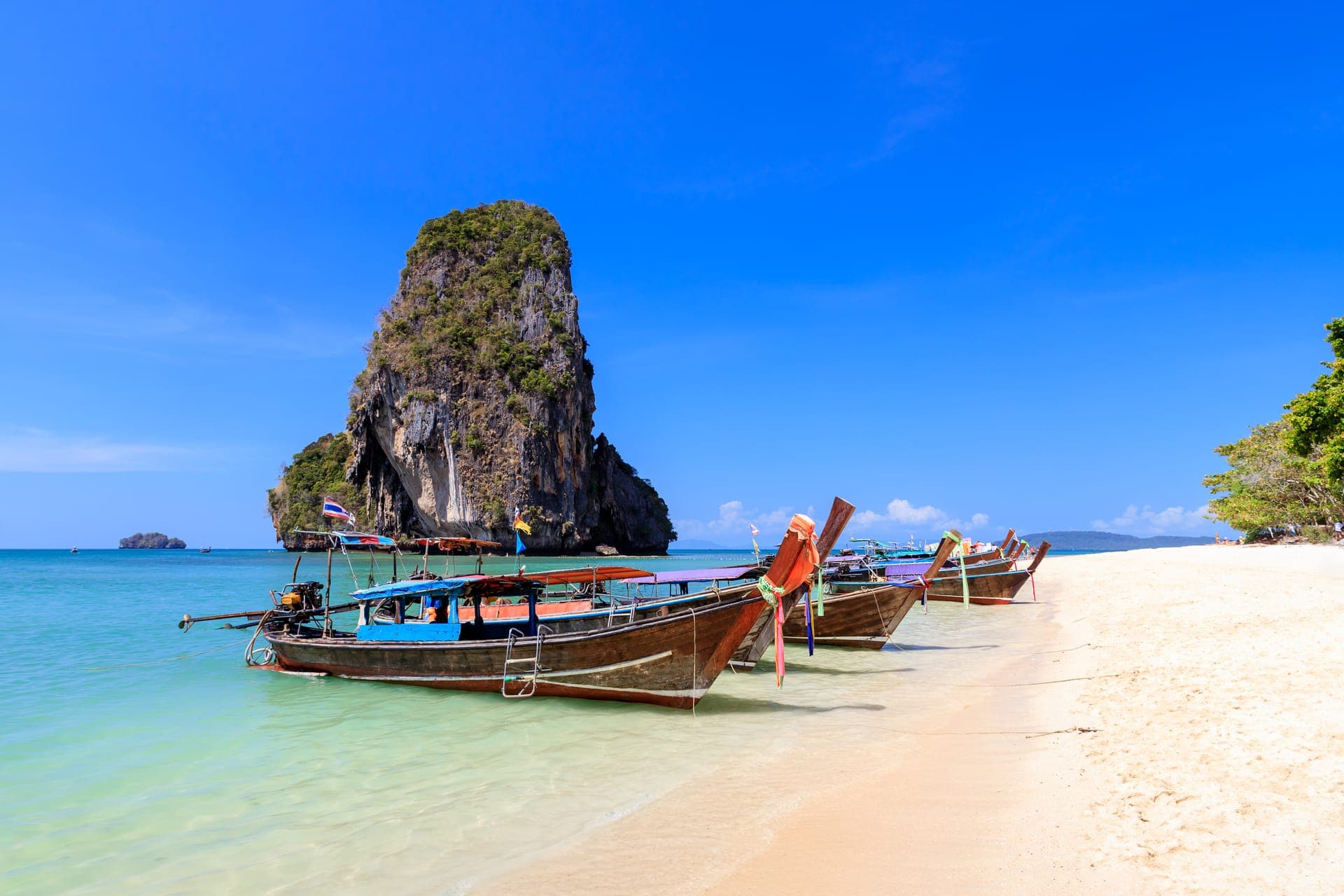
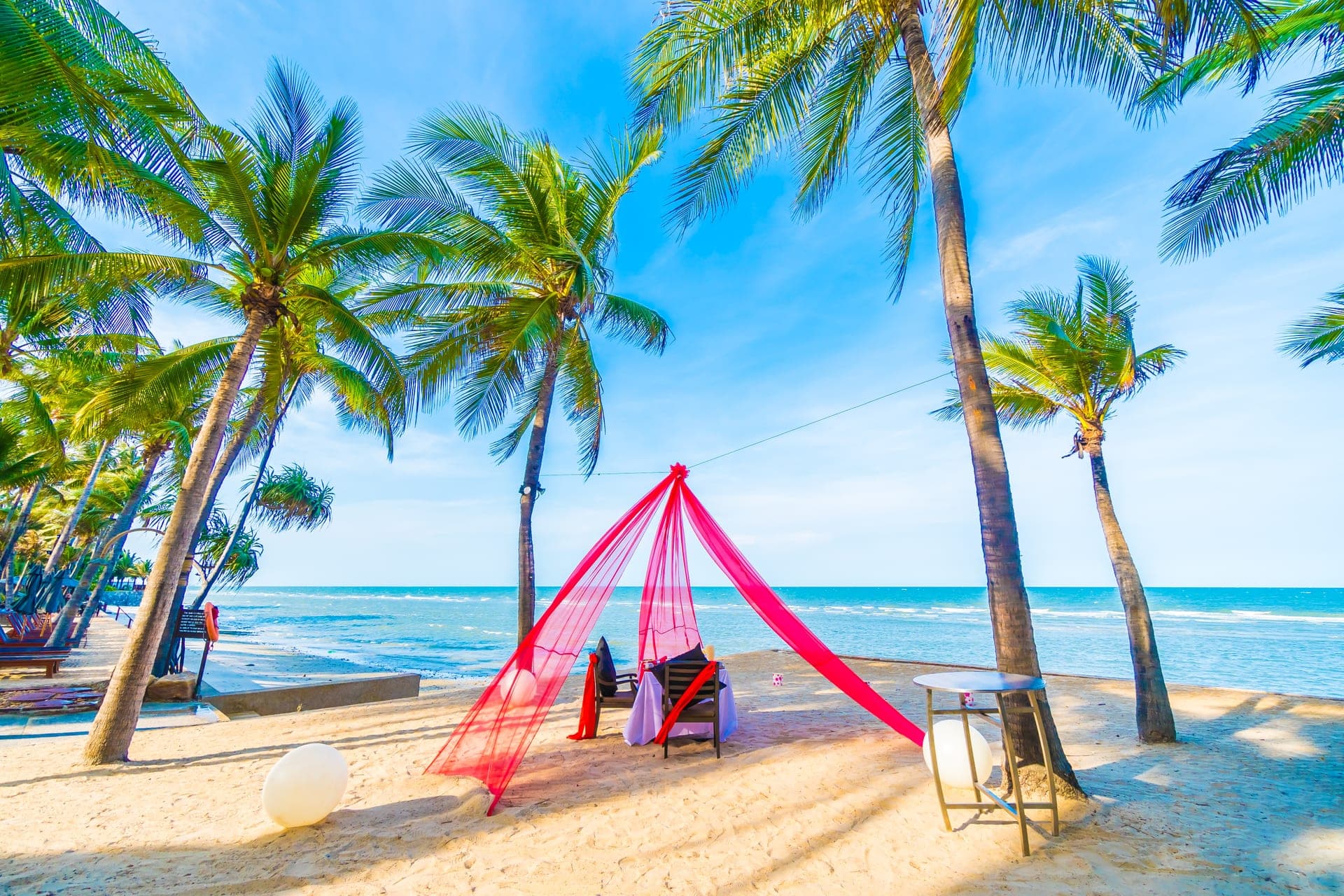
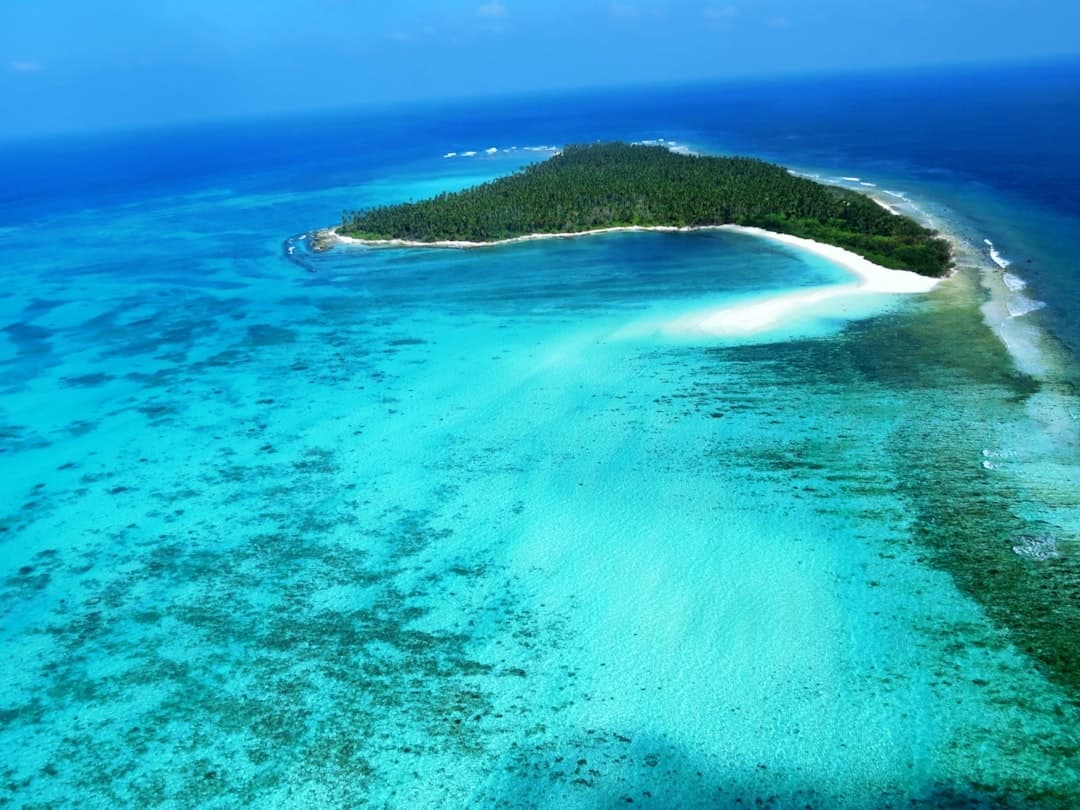
Alright, so you're thinking about Lakshadweep. Let me just say, great choice. Forget everything you think you know about beach holidays in India. This is a whole different level. We're talking about a string of 36 islands (though only a handful are open to tourists) floating in the Laccadive Sea, with lagoons so calm and clear you can see the fish from your boat. It's pristine, it's quiet, and it honestly feels like a screensaver brought to life.
But here's the deal: it's not a place you can just show up to. There are rules, and you need a permit. This is actually a good thing—it keeps the islands from being overrun and preserves the fragile coral ecosystem. The whole vibe is less about partying and more about just soaking in the insane natural beauty.
How Do You Even Get There?
This is probably the first question everyone asks. Look, figuring out how to reach Lakshadweep is part of the adventure. You basically have two options, and both start from Kochi (Cochin) in Kerala.
-
By Air: This is the fastest way. Alliance Air runs flights from Kochi to the only airport in Lakshadweep, which is on Agatti Island. The flight is short, maybe an hour and a half. But when you start to descend and see those tiny islands surrounded by turquoise rings... wow. It's an incredible welcome. Book these flights way in advance, as they fill up fast.
-
By Sea: Want a more scenic, slow-travel experience? You can take one of the passenger ships that sail from Kochi. There are a few of them, like the MV Kavaratti and MV Corals. The journey takes anywhere from 14 to 18 hours. It’s not a luxury cruise, more like a functional ferry, but it's a cool experience. Plus, it's way cheaper than flying. This is a popular option for those wondering how to go to Lakshadweep on a bit of a budget.
Remember the permit! You can't book flights or ships until your permit is approved. This is usually handled by the tour operator you book your package with.
Okay, So When Should You Go?
Timing is super important for a trip here. The best time to visit Lakshadweep is definitely between October and mid-May. The weather during these months is just perfect. You'll get clear skies, calm seas, and temperatures hovering around a comfortable 22°C to 33°C. This is the ideal window for all the water sports and beach lounging you're dreaming of.
I'd avoid the monsoon season, which runs from mid-May to September. The seas get really rough, the ships stop running, and it rains pretty much constantly. Most, if not all, tourism is shut down during this period. So, if you're searching for lakshadweep best time to visit, stick to that dry, sunny season from October onwards.
The Main Event: Best Places to Visit in Lakshadweep
Once you're there, where should you go? Each island has its own little personality. Here are some of the top spots:
-
Agatti Island: This is where you'll land if you fly, so it's your first taste of paradise. The lagoon here is huge and stunning. While it's the main entry point, it's also a destination in itself with some great spots for snorkeling and kayaking.
-
Bangaram Island: This is the one you see in all the pictures. It's an uninhabited (except for the resort staff) teardrop-shaped island that is just breathtaking. The sand is like powder, and the coral reefs right off the shore are teeming with life. You can take a boat here from Agatti. It's famous for its phosphorescent plankton that makes the water glow at night. Seriously, it's magical.
-
Kavaratti Island: As the administrative capital, Kavaratti is a bit more developed. But don't let that fool you. It has gorgeous lagoons and some really cool cultural spots. You have to check out the Ujra Mosque with its intricately carved wooden pillars. There's also a Marine Aquarium that's pretty interesting. It's a great mix of local life and tourist-friendly activities.
-
Kadmat Island: This one is for the water sports junkies. The island is long and narrow, with lagoons on both sides. It's home to the Laccadive Diving Academy, so if you're serious about scuba diving, this is one of the best places to visit in lakshadweep. The marine life is just incredible.
-
Minicoy Island: A bit isolated from the other islands, Minicoy has a distinct culture that's closer to Maldivian than Keralan. It’s known for its tall lighthouse (you can climb it for amazing views!) and its tuna canning factory. The island is dotted with colorful little villages. It’s a fantastic spot to see a different side of Lakshadweep.
So, What Is There To Do?
You won't be bored, I promise. The list of things to do in Lakshadweep revolves almost entirely around the water. And why wouldn't it? It's the main attraction!
-
Scuba Diving & Snorkeling: This is non-negotiable. The water clarity is insane (we're talking 20-30 meters of visibility sometimes), and the coral reefs are vibrant and full of life. You'll see turtles, rays, and countless colorful fish. A single dive can cost around ₹4,500, but it's worth every penny.
-
Kayaking and Glass-Bottom Boating: If you're not a diver, you can still see the underwater world. Kayaking on the calm lagoons is super peaceful. And the glass-bottom boat tours are perfect for families or anyone who wants to stay dry while fish-gazing.
-
Just... Nothing: Honestly, one of the best things you can do here is absolutely nothing. Find a hammock, grab a book, and just listen to the waves. Watch the sunset. The pace of life is slow, and you should embrace it. It's the ultimate digital detox.
-
Island Hopping: You can't visit just one! Taking a boat from Agatti to Bangaram or Thinnakara for a day trip is a must. Each island offers a slightly different view and vibe.
So, is it worth the effort of getting the permits and planning it all out? 100% yes. It's a trip that stays with you long after you've washed the sand from your clothes. It’s India’s best-kept secret, and you'll feel lucky to have experienced it.