Look, if you're planning a trip to Northeast India, Manipur usually isn't the first name that pops up. People usually rush to Meghalaya for the waterfalls or Sikkim for the snow. But that's exactly why you should come here. It's quieter, raw, and honestly, a bit mysterious. I remember landing in Imphal and just feeling the pace of life drop by about fifty percent. It’s refreshing.
This isn't just another pretty state with hills. It’s got a culture that goes back centuries, sports traditions that the rest of the world copied (modern polo started here, by the way), and geography that defies logic. I'm going to walk you through the top tourist attractions in Manipur like I'm giving you the tour myself. No brochure talk, just the real deal.
Imphal: The Heart of the Action
You'll start in Imphal. You have to; it's where the airport is. But don't just treat it as a transit point. The city has a weirdly charming mix of chaos and history.
First stop? Ima Keithel. You might hear it called the Mother's Market. It is, without a doubt, one of the best places to visit in Manipur India. Imagine a massive market run entirely by women. thousands of them. They sell everything from fresh river fish and dried chilies to those traditional hand-woven shawls that look incredible. The energy there is intense. You can bargain a little, but honestly, the prices are already fair. It’s a great spot to pick up souvenirs and just people-watch.
Then there's the Kangla Fort. It’s right in the middle of the city. It’s huge, surrounded by a moat, and used to be the seat of power for the Manipuri kings. It’s not just old rocks; it’s a massive park now. You can walk around for hours. If you're looking for family friendly attractions in manipur, this is a safe bet. It’s flat, easy to walk, and full of stories.
And for the history buffs—specifically the WWII geeks—Imphal is holy ground. The Battle of Imphal was where the Japanese invasion of India was stopped. The Imphal War Cemetery is beautifully maintained (Commonwealth War Graves Commission does a great job). It’s small, quiet, and deeply moving. It’s a stark contrast to the noise of the city streets just outside the walls.
The Floating Magic: Loktak Lake
Okay, let's get to the main event. You can't write a Manipur travel guide for tourists without talking about Loktak Lake. It is the largest freshwater lake in Northeast India, located about an hour and a half from Imphal.
But it's not just a lake. It has these things called phumdis. They are circular masses of vegetation, soil, and organic matter that float on the water. They look like green islands, but they move. People live on them! They build huts on these floating circles. It’s mind-blowing.
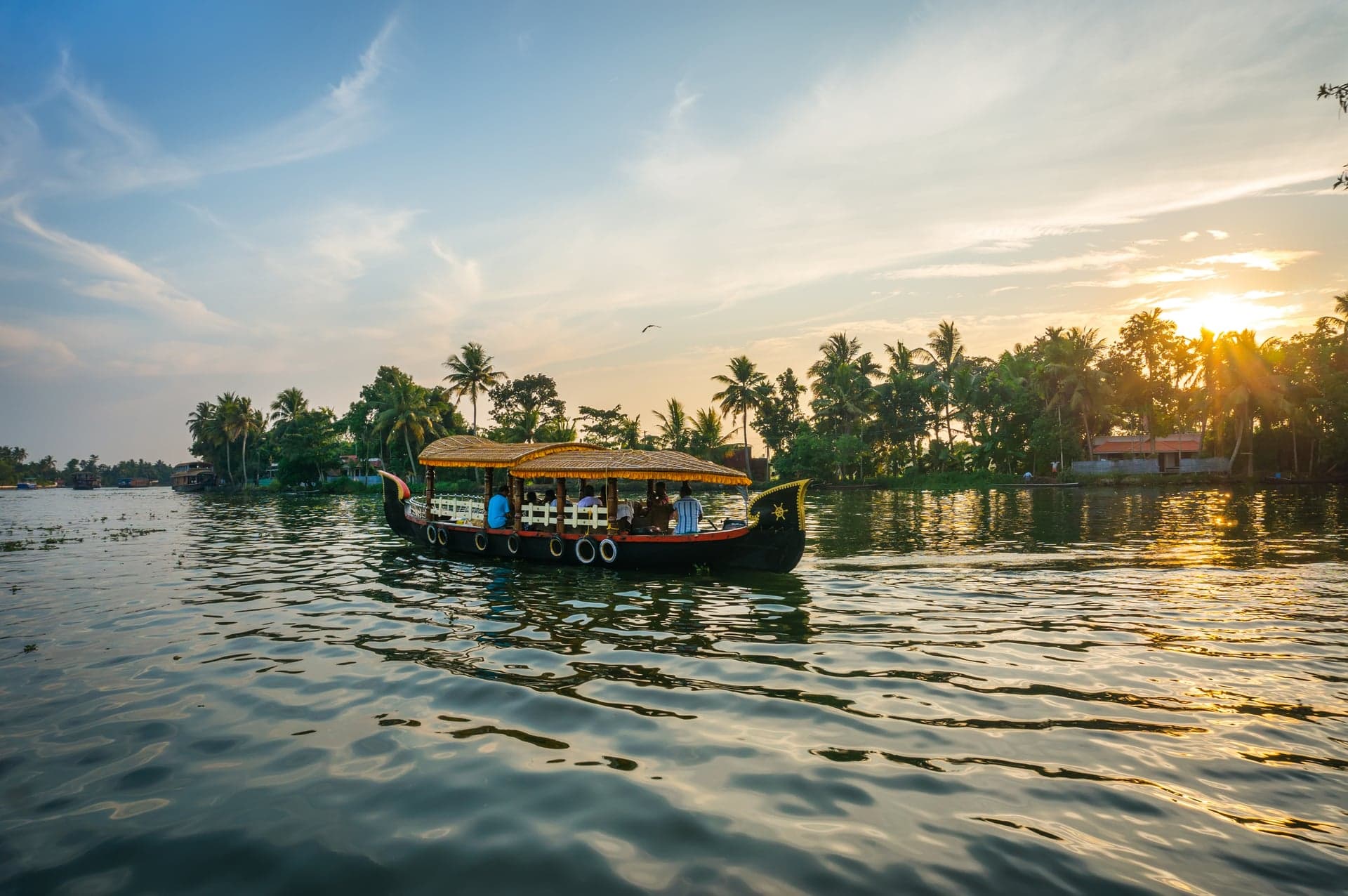
The best way to see it is to hire a small boat. The boatmen are usually locals who know every inch of the water. Watching the sunset here? Easily one of the most scenic spots in Manipur India. The water turns purple and orange, and the silhouettes of the fishermen casting their nets is something you’ll want to capture on camera.
Right next door is Keibul Lamjao National Park. Here's the kicker: it’s the world's only floating national park. It floats on the lake. This is the only place on the entire planet where you can spot the Sangai, the brow-antlered deer. They call it the dancing deer because of how it walks on the boggy surface. It’s an endangered species, so spotting one feels like a massive win.
Heading to the Hills: Ukhrul
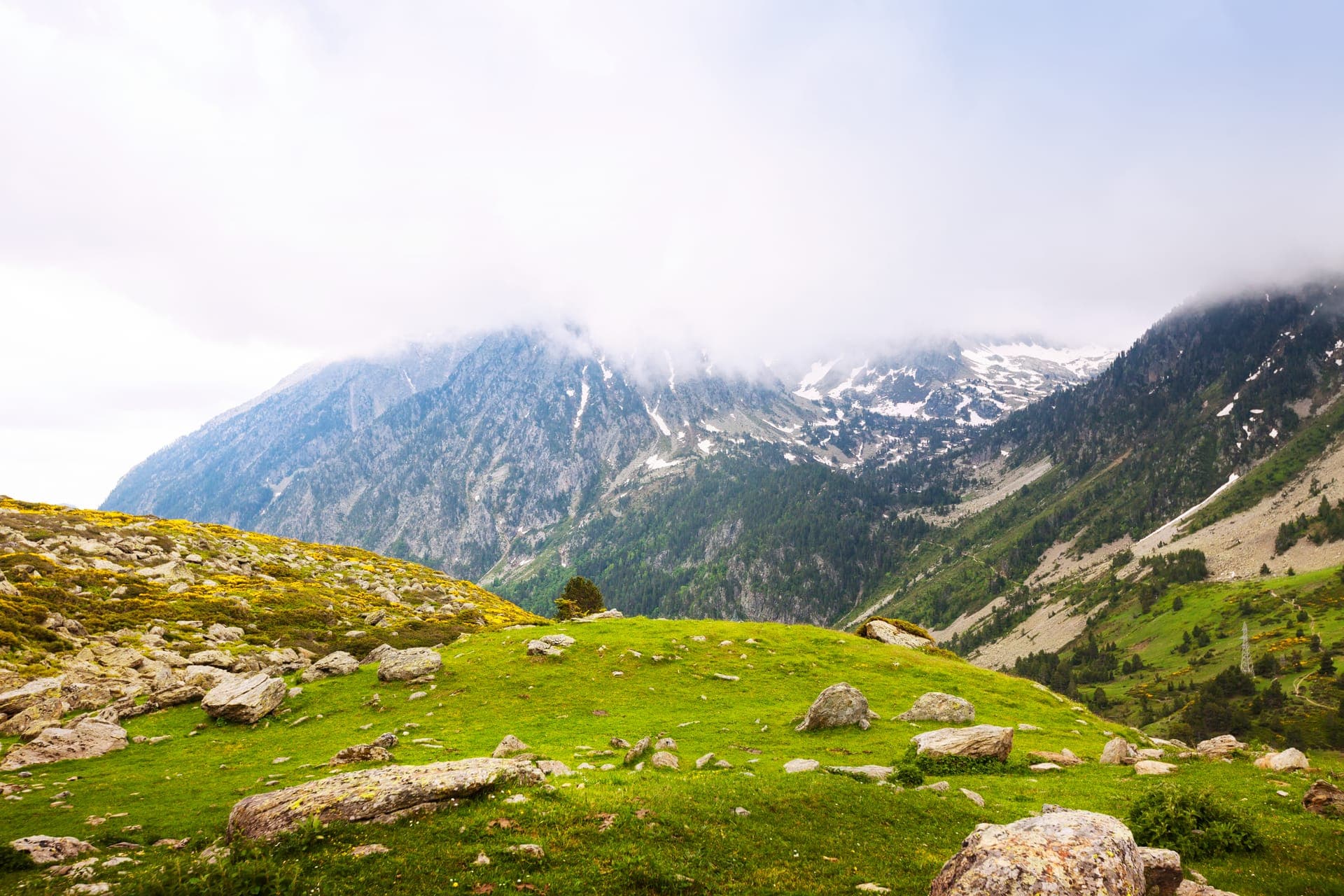
If you like mountains, you need to drive up to Ukhrul. It’s about 3 hours from Imphal, maybe 4 if the roads are bad (and they often are). But the drive is worth it.
Ukhrul is the home of the Tangkhul Naga tribe. It’s misty, cold, and famous for the Shirui Lily. This flower is stubborn—it refuses to grow anywhere else in the world except on the Shirui Peak. If you're a trekker, this is your spot. The trek up the peak isn't too hard, but it gets the heart pumping. The view from the top is endless rolling green hills.
This is one of those hidden places in Manipur that mass tourism hasn't ruined yet. The air is cleaner, the food is different (lots of smoked pork), and the pace is even slower than Imphal. If you go in May, you might catch the Shirui Lily Festival. It’s a big party with music, food, and culture.
The Myanmar Connection: Moreh
I’m not sure about the current border situation (always check the news before you go), but typically, Moreh is a fascinating day trip. It’s the border town with Myanmar. It’s a commercial hub. You see goods from Southeast Asia flooding in—electronics, blankets, weird snacks you’ve never seen before.
It’s a long drive from Imphal, about 3-4 hours, but passing through the hills of Tengnoupal is an experience in itself. It gives you a sense of how strategic this state is geographically.
Food: Not for the Faint-Hearted
Let’s talk food. Manipuri food is healthy, oil-free mostly, but spicy. They use the Bhut Jolokia (King Chilli) like it’s candy. The staple dish is Eromba—a mash of boiled vegetables and fermented fish. It smells strong, I won't lie. But once you get past the smell, the taste is incredible.
If you aren't into fermented fish, try the Chak-hao kheer. It’s a black rice pudding. It turns purple when cooked and has a nutty flavor. It’s absolutely delicious and totally Instagrammable.
Planning Your Trip: A Quick Itinerary
If you're trying to build a Manipur sightseeing itinerary, here is a rough sketch:
- Day 1: Land in Imphal. Check into your hotel. Visit Kangla Fort in the afternoon and hit Ima Keithel market in the evening.
- Day 2: Day trip to Loktak Lake. Do the boating. Visit the floating park. Maybe stay overnight at a resort near the lake if you want peace.
- Day 3: Drive to Ukhrul. It takes time, so enjoy the journey. Walk around the town.
- Day 4: Trek to Shirui Peak. Head back to Imphal in the evening.
- Day 5: Visit the War Cemetery and maybe the State Museum before flying out.
When Should You Go?
The best time to visit Manipur is undoubtedly winter and early summer. We're talking October to April. The weather is dry and pleasant.
- Winter (Oct-Feb): It gets cold, especially in Ukhrul. You'll need thermals. But the skies are clear.
- Summer (March-May): It gets a bit warmer, but the hills are still nice. This is when the flowers bloom.
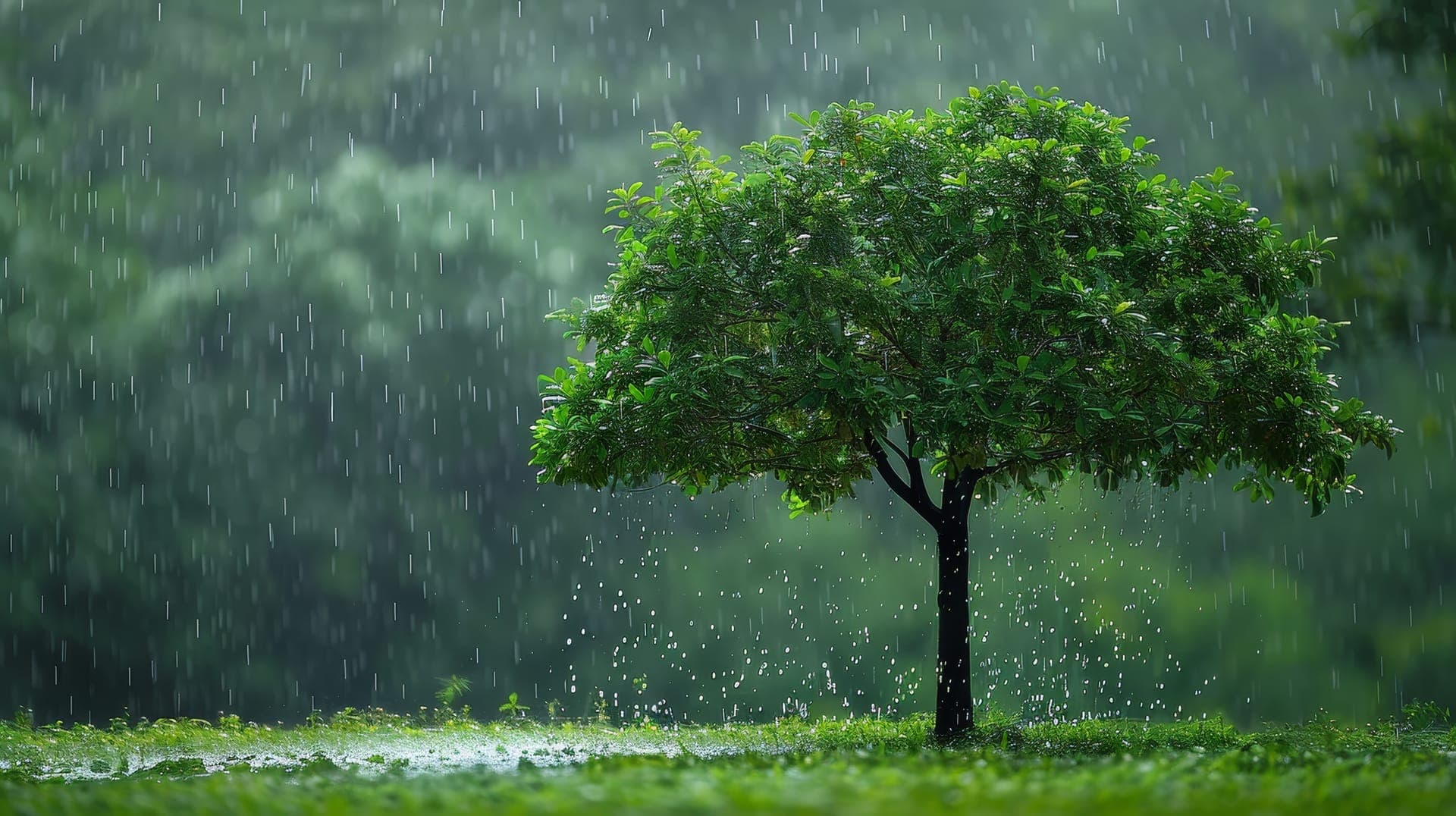
- Monsoon (June-Sept): Honestly? Skip it unless you love rain. It pours here. The roads can get washed out, and landslides are a real thing. It makes getting around a nightmare.
A Few Practical Tips
- Permits: Domestic tourists technically need an Inner Line Permit (ILP) now. It’s easy to get online or at the airport, but don't forget it. Foreigners usually need to register at the police station (check current rules).
- Transport: Public transport exists, but it’s crowded. Renting a car with a driver is the smartest move. It gives you the freedom to stop whenever you see a nice view.
- Sundown: Life shuts down early here. By 7 or 8 PM, most shops are closed. Don't expect a wild nightlife. The evenings are for sitting around a fire or having a quiet dinner.
Manipur isn't the easiest place to travel in India. The infrastructure is still catching up. But that’s what keeps it special. It doesn't feel manufactured for tourists. It feels real. If you're willing to handle a few bumpy roads, you'll find a place that sticks with you long after you leave.