Look, I'm going to be real with you. New Zealand is far. Like, really far. Unless you're coming from Australia, you are looking at a long-haul flight that will mess up your sleep schedule for days. But is it worth the jet lag? Absolutely.
I remember the first time I landed in Auckland. I expected it to be just like any other western country, but there's a different vibe in the air. It feels isolated in the best possible way. You are at the bottom of the world, and there is a sense of freedom here that is hard to explain until you're standing on the edge of a fjord with absolutely no cell service.
This isn't just a list of places. This is a practical new zealand travel guide for tourists who want to see the real stuff, not just the postcard spots (though we'll cover those too).
You'll hear this argument constantly. Which island is better?
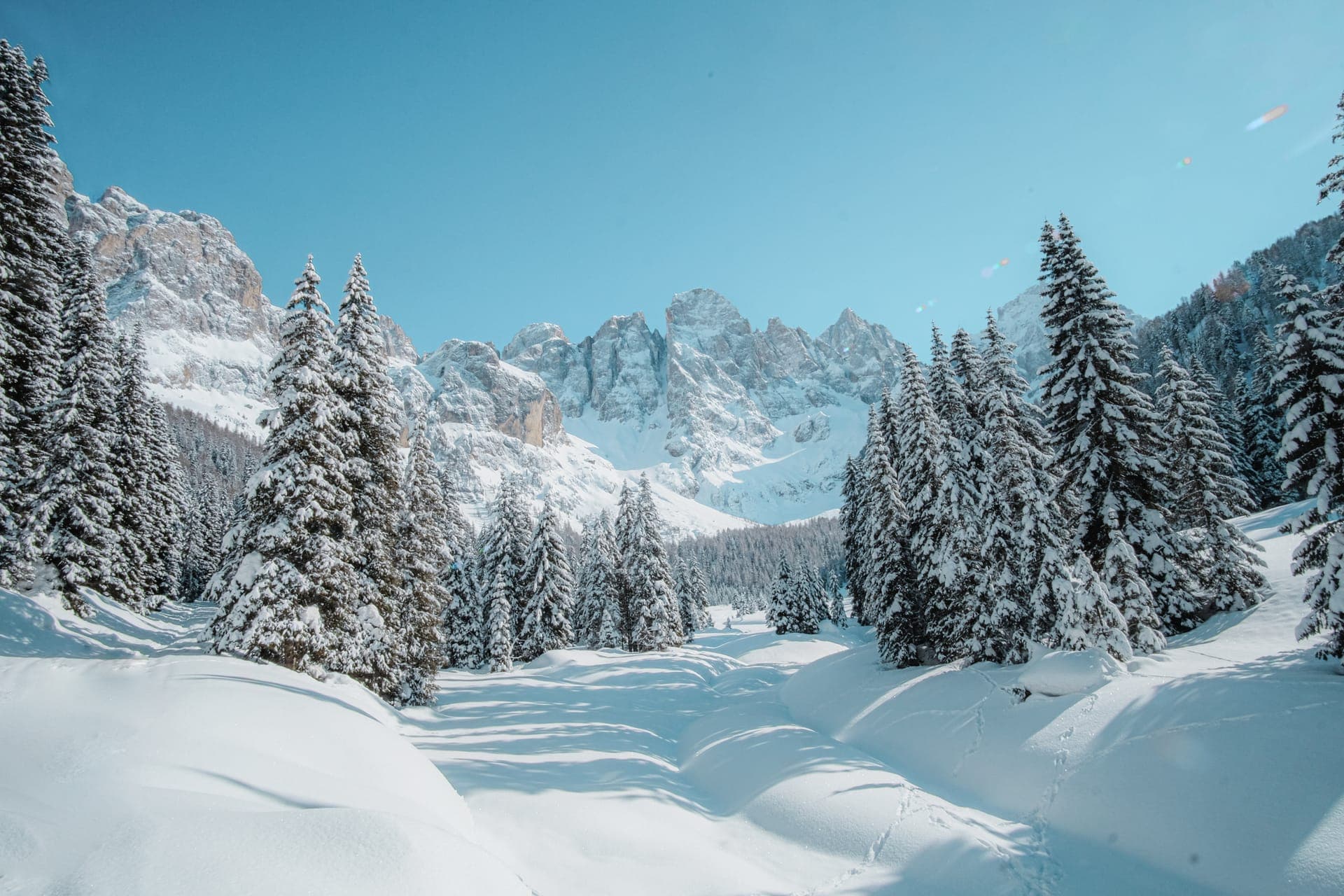
The North Island is where most of the people live. It's warmer, greener, and culturally richer. This is where you go for beaches, Maori culture, and geothermal madness. The South Island? That's the dramatic one. It's all jagged mountains, massive lakes, and wide-open spaces.
Honestly? You need to do both. If you have two weeks, split it down the middle. If you have less time, pick one and do it properly rather than rushing.

Most trips start in Auckland. It's a cool city, built on volcanoes. You can walk up Mount Eden for a view of the skyline. But don't linger too long; the real magic is outside the cities.
Head south and you hit Rotorua. Now, a heads up: it smells like rotten eggs. Seriously. The sulfur activity is off the charts. But you get used to it after ten minutes. This is one of the top tourist attractions in new zealand because of the geysers and the mud pools. It's also a fantastic place to learn about Maori history. Go to a hāngī (traditional feast). Yes, it's a bit touristy, but the food cooked in the earth is delicious.
If you're a movie nerd, Hobbiton is nearby in Matamata. Is it a tourist trap? Maybe. Is it magical walking into the Green Dragon Inn for a cider? You bet it is. Even if you hate the movies, the attention to detail in the gardens is obsessive.
Take the ferry from Wellington to Picton. It's a three-hour ride and one of the most scenic spots in new zealand. You cross the Cook Strait and enter the Marlborough Sounds. If you're lucky, dolphins will ride the bow wave.
From there, you've got options.
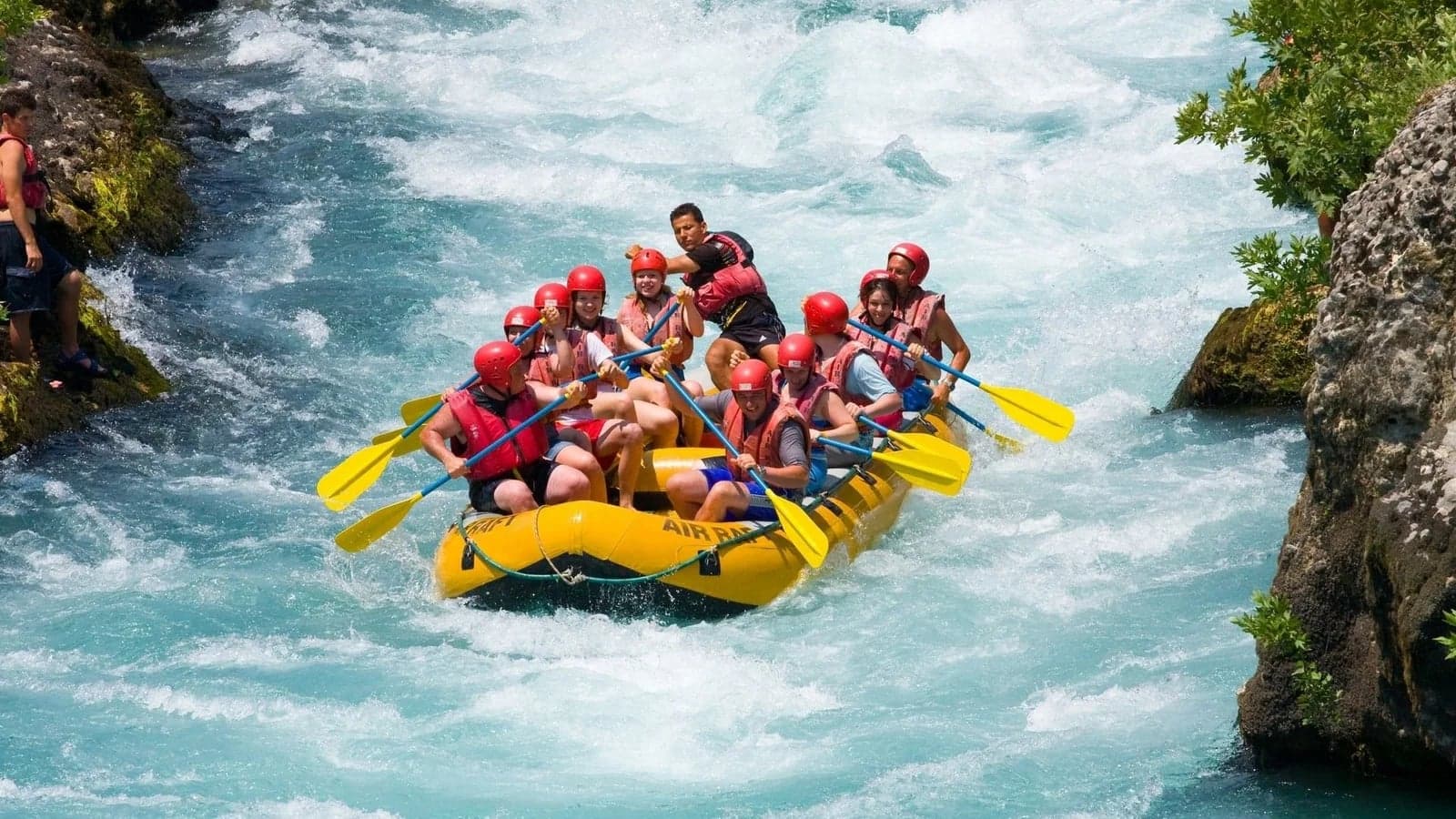
Queenstown is the big one. They call it the adventure capital of the world. You can bungee jump, skydive, jet boat—basically any way you want to scare yourself, they sell it here. But it's also just beautiful. The town sits on Lake Wakatipu with a mountain range called The Remarkables right in your face. Grab a burger from Fergburger (there will be a line, just wait in it, it's part of the ritual) and sit by the lake.
For the hikers, or "trampers" as locals say, the tracks here are legendary. The Milford Track is famous, but it's often booked out months in advance. A great alternative? The Routeburn Track. Or just drive to Milford Sound. The scale of the place makes you feel tiny. When it rains (and it rains a lot), thousands of temporary waterfalls appear on the cliffs. It's moody and incredible.
If you want to escape the crowds and find those hidden places in new zealand, you need to get off State Highway 1.
Try the Coromandel Peninsula on the North Island. Cathedral Cove is famous, but New Chums Beach is harder to get to and usually empty. On the South Island, check out the Catlins in the deep south. It's windy, wild, and you might see penguins coming ashore at dusk.
Another spot tourists often miss is Taranaki. There's a massive volcano that looks like Mount Fuji's twin. You can hike around it, and the surf coast there is legendary.
Getting Around: Rent a vehicle. Public transport exists, but it won't get you to the cool spots. Campervans are the classic way to do it. There are apps like CamperMate that show you where you can camp for free or cheap. Just please, use a self-contained van. Locals get pretty grumpy about tourists making a mess.
The Cost: New Zealand isn't cheap. Gas (petrol) is expensive. Food is pricey too, especially fresh produce in winter. Eating out every night will drain your wallet fast. Do what the locals do: grab fish and chips (eat them on the beach) or buy a meat pie from a bakery. A good mince and cheese pie costs about $5 or $6 and it's a solid lunch.
Weather: I mentioned this before, but pack layers. Even in summer, the wind can cut right through you. And the sun? It's brutal. The ozone layer is thin down here. You will burn in 15 minutes, even on a cloudy day. Wear sunscreen. SPF 50. I'm not joking.
Creating a new zealand sightseeing itinerary can be overwhelming because there is too much to see.
- •7 Days: Stick to one island. North Island loop (Auckland-Rotorua-Taupo-Coromandel) OR South Island loop (Queenstown-Wanaka-Milford Sound).
- •14 Days: You can do a rapid tour of both, or a deep dive into the South Island.
- •21+ Days: Now we're talking. You can drive from North to South and actually enjoy it.
If you've got kids, there are plenty of family friendly attractions in new zealand. The zoos are great, specifically the sprawling ones like Orana Wildlife Park in Christchurch. The Skyline Luge in Queenstown or Rotorua is a massive hit—it's basically Go Karts on a mountain slope with gravity doing the work. Plus, just playing on the beaches or exploring the rock pools is free entertainment.
There's a reason people talk about this place so much. It sticks with you. It's not just the best places to visit in new zealand that matter; it's the drives in between them. It's pulling over because the sunset is turning the sky purple. It's meeting a farmer at a pub who talks your ear off for an hour.
So, best time to visit new zealand? Summer (December to February) is warm but busy. February is usually the most settled weather. Shoulder season (March/April or November) is my personal favorite. The crowds are gone, the leaves are turning or blooming, and the light is softer.
Just book the ticket. The flight is long, the coffee is strong, and the views are worth every cent.