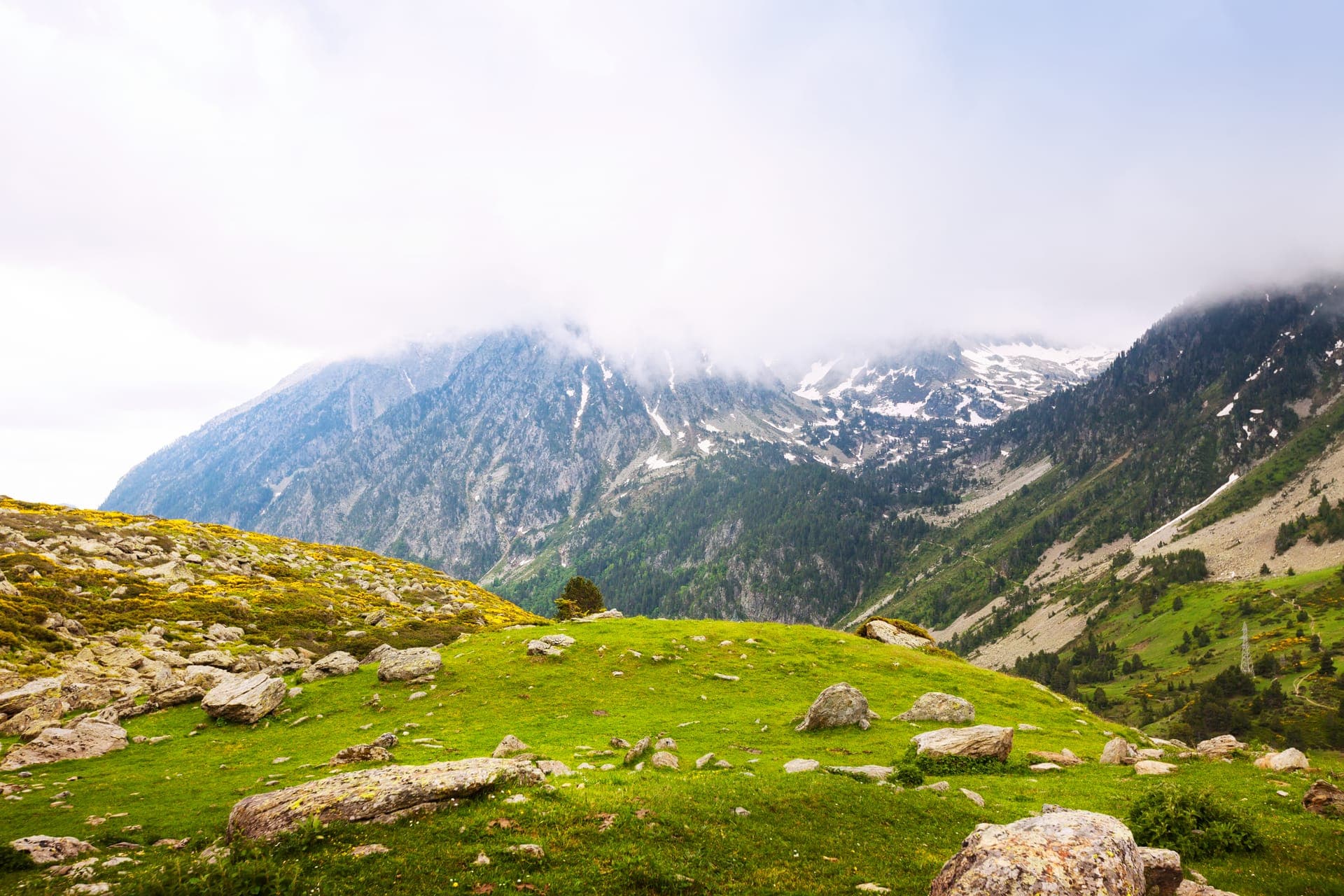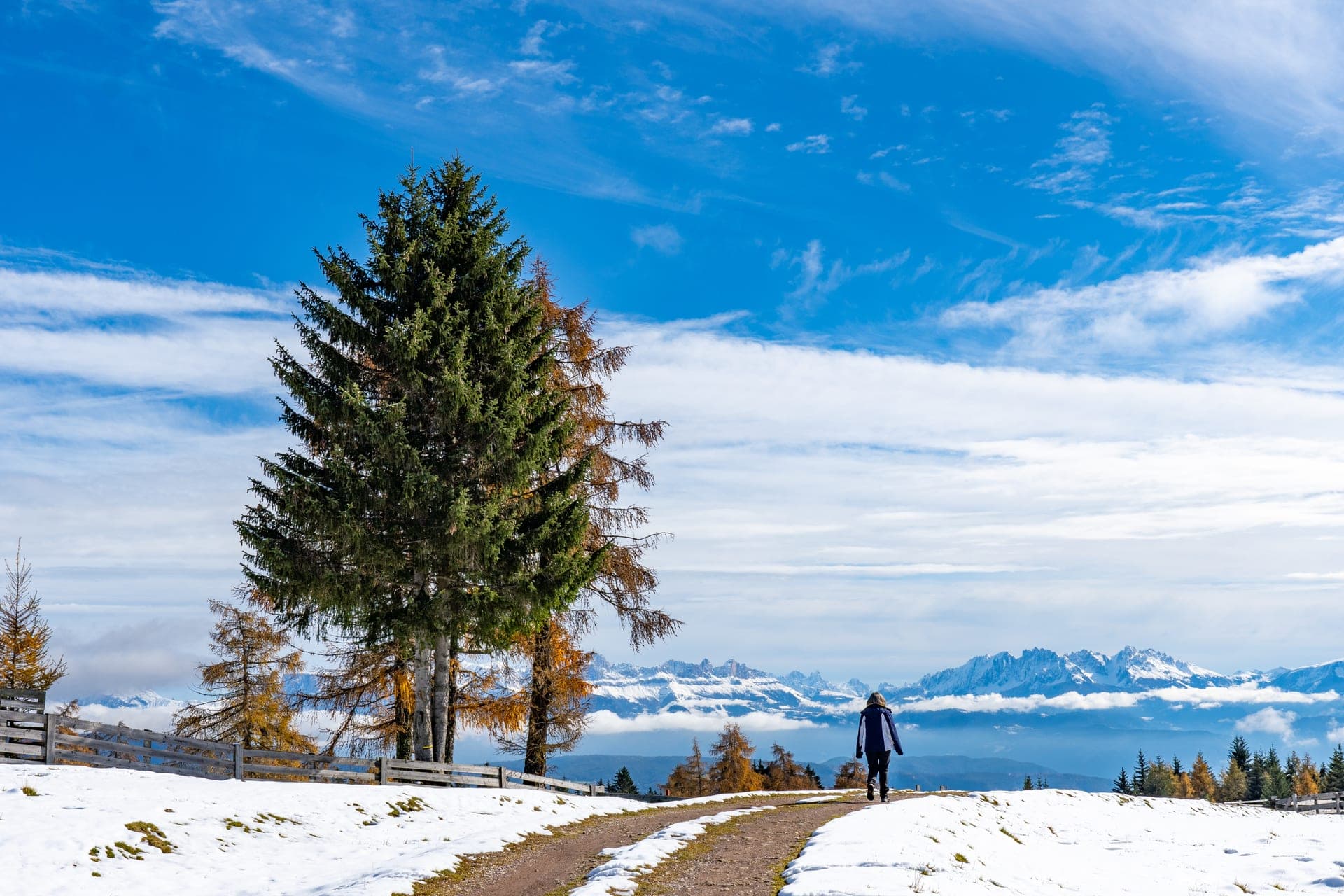

Look, if you are heading to Sikkim anytime soon, we need to talk about Pelling. A lot of travelers just stick to Gangtok or head straight up north, and they completely skip the western part of the state. Their loss, honestly. Pelling is a small hill town sitting at about 7,200 feet, and it has one major claim to fame: the views of Mount Kanchenjunga. And I am not talking about a tiny white peak in the distance. On a clear morning, the mountain looks so huge and close you feel like you could reach out and touch it right from your hotel window.
But you can't just stare at a mountain all day (well, maybe you can, but there is plenty of other stuff to do). Figuring out your pelling sightseeing plan is actually pretty straightforward because most cabs divide the local attractions into 'half-day' and 'full-day' tours. If you want to see the main spots, you usually need at least two full days here.
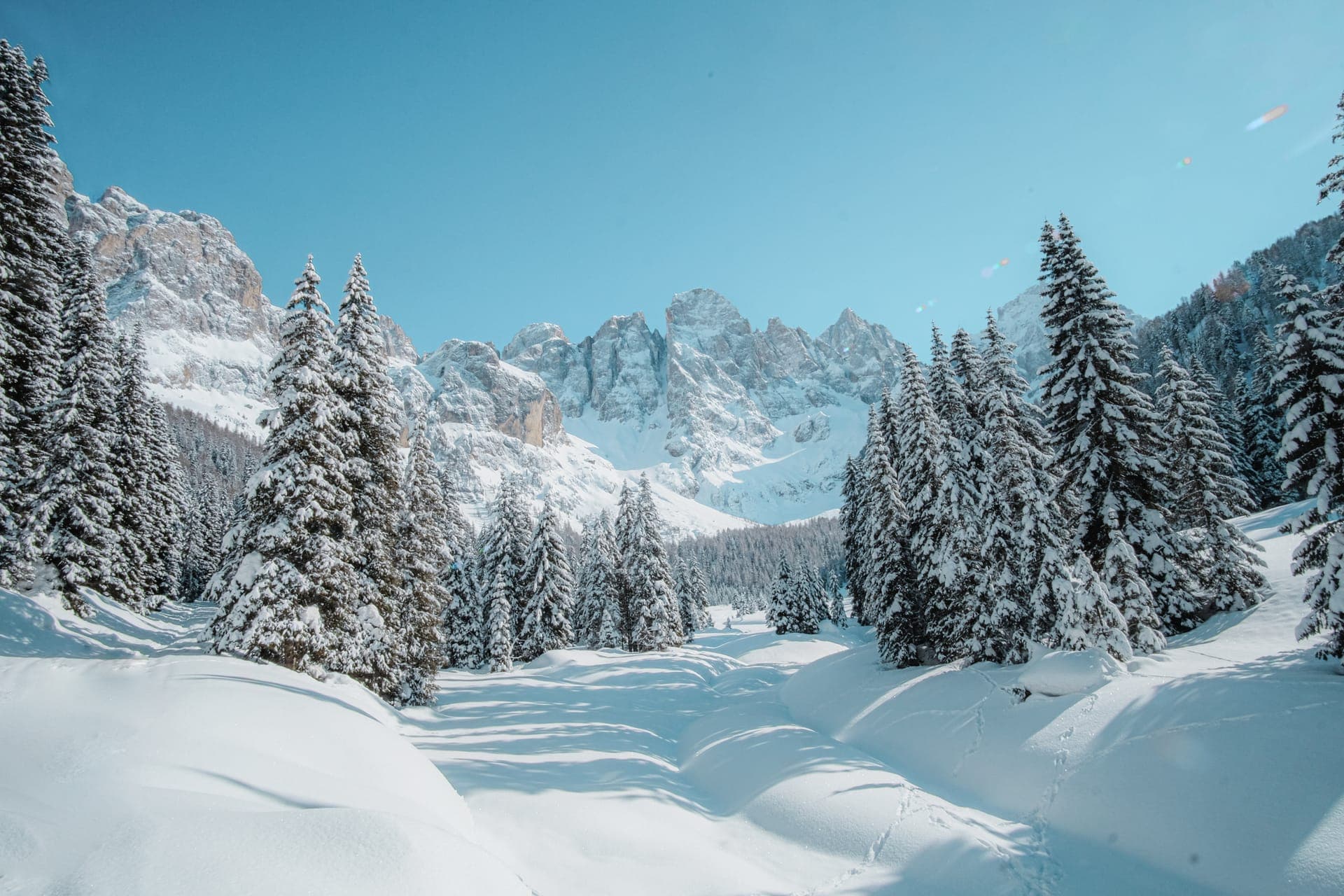
So, when should you actually pack your bags? The best time to visit pelling really depends on how much you hate the cold. For the clearest skies and the absolute best mountain views, you want to aim for October to early December. The monsoon rains have washed away all the dust, and the sky is a sharp, crazy blue. Spring, from March to May, is also fantastic. This is generally considered the best time to visit pelling sikkim if you want to see rhododendrons blooming everywhere. The flowers turn whole hillsides pink and red. It gets chilly at night, sure, but daytime temperatures hover around 15°C to 20°C. If you are researching the pelling best time to visit, just completely avoid the monsoon season (July and August). The roads get muddy, landslides are super common, and you will be stuck in your room eating Maggi while it pours for 48 hours straight. Nobody wants that.
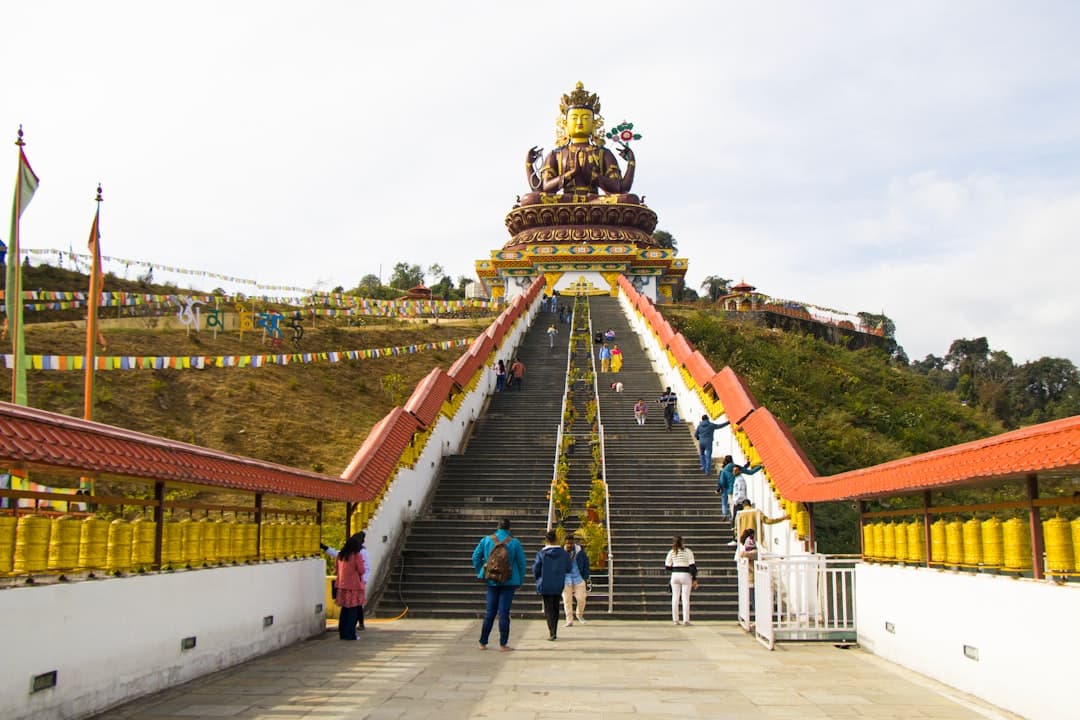
Let's break down the sightseeing in pelling sikkim. You will probably want to start with the Pelling Skywalk and the Chenrezig Statue. It is this massive 137-foot-tall statue with a glass-bottom bridge leading up to it. Yes, it is a little scary if you are afraid of heights. You have to take your shoes off to walk on the glass, and looking down at the valley floor way beneath your feet is a wild feeling. Entry is around 50 rupees, and it gets crowded, so try to go early before the tour buses show up.
Next up, grab a cab to the Rabdentse Ruins. This place was actually the second capital of the former Kingdom of Sikkim back in the 1600s. To get there, you have to walk through a dense, mossy forest for about 15 minutes. It is a really easy walk, and suddenly the trees clear out and you are standing among these ancient stone walls. There is this cool, slightly eerie vibe to the place. Plus, the view from the top of the ruins? Unbelievable. You can see the whole valley drop away below you.
If you are setting up a pelling tour, make sure Khecheopalri Lake is on the list. Locals consider this lake highly sacred. There's a local belief that birds pick up any leaf that drops onto the water surface, keeping it perfectly clean. I was skeptical, but when you get there, the water actually is spotless. You can't put your feet in or anything out of respect, but you can feed the massive fish near the dock. You'll buy some biscuits at the entrance for 10 bucks. The drive to the lake is pretty bumpy, but it's totally worth the hassle.
For waterfalls, the Kanchenjunga Falls are the biggest ones around here. The water absolutely roars down the rocks, especially if you visit right after the monsoon. There are small stalls nearby selling hot tea, momos, and Maggi. Eating a plate of hot, spicy momos while standing in the mist of a giant waterfall is pretty much a required Sikkim experience.
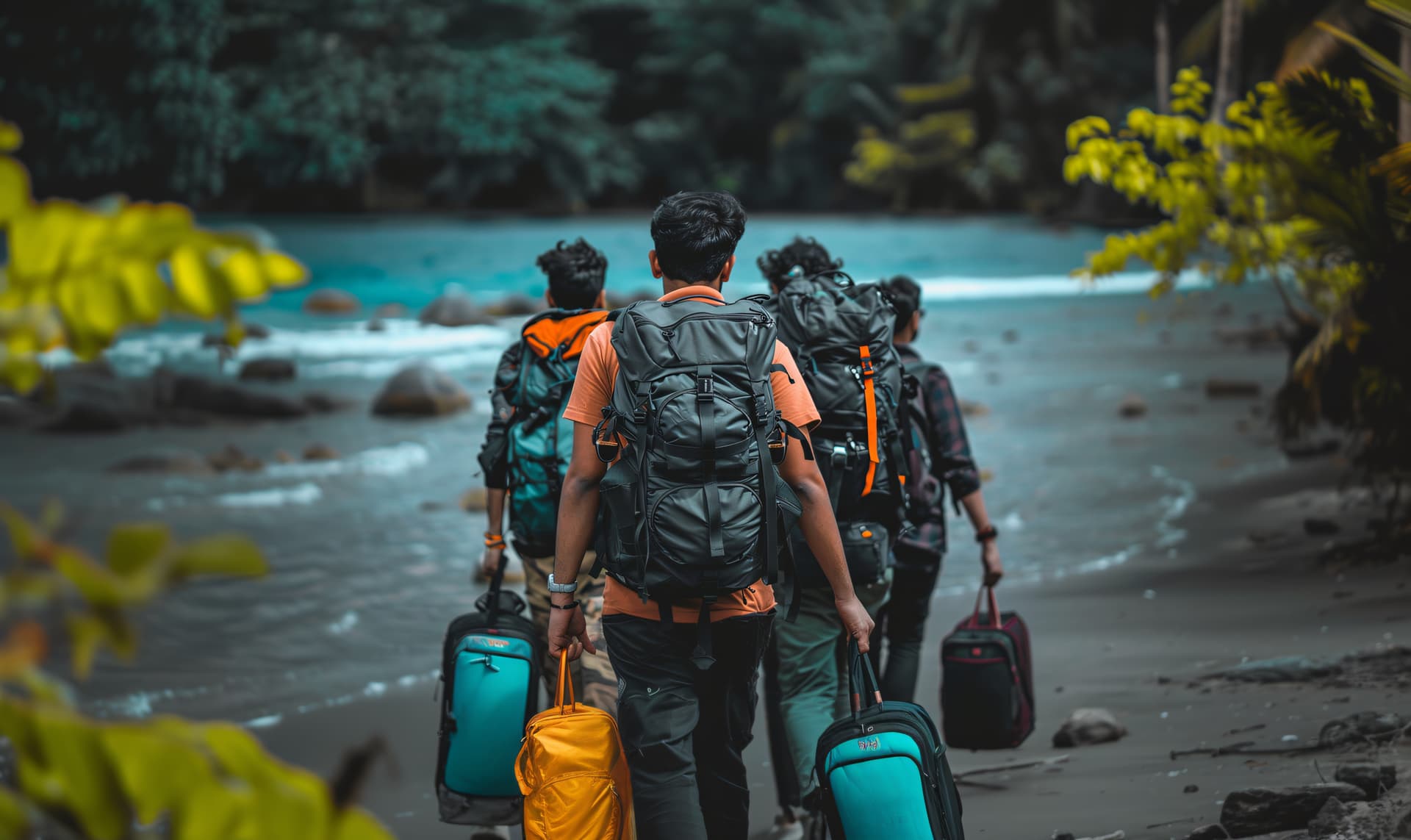
Now, let's talk logistics. How do you actually put this trip together? You can definitely book a comprehensive pelling tour package online before you go. These usually cover your pickup from Bagdogra airport or NJP railway station, your hotel, and a dedicated driver for a few days. This is super convenient, especially if you are traveling with family or carrying a lot of luggage. A standard pelling sikkim tour usually lasts about 3 to 4 days before people move on to Gangtok or Darjeeling.
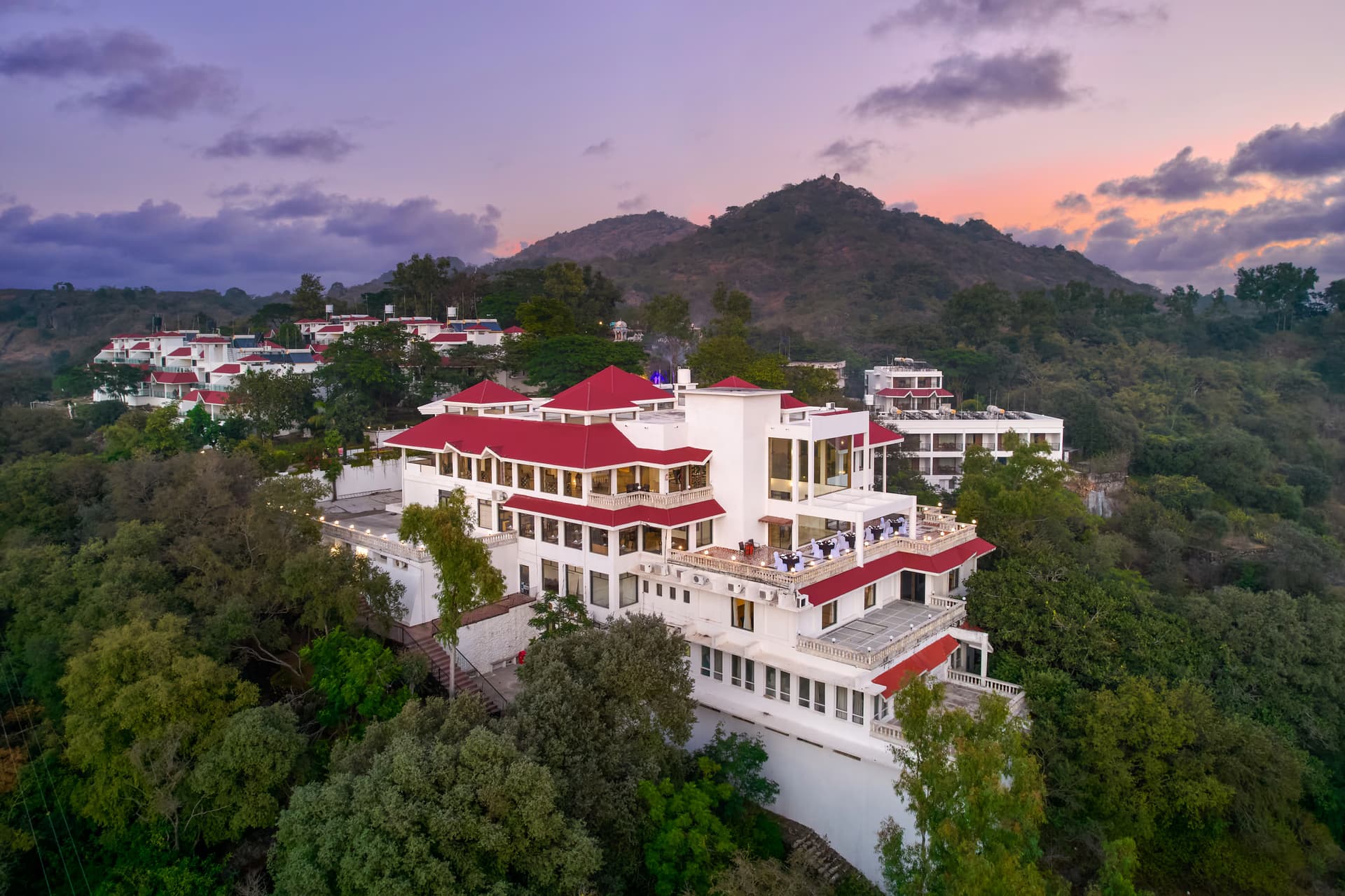
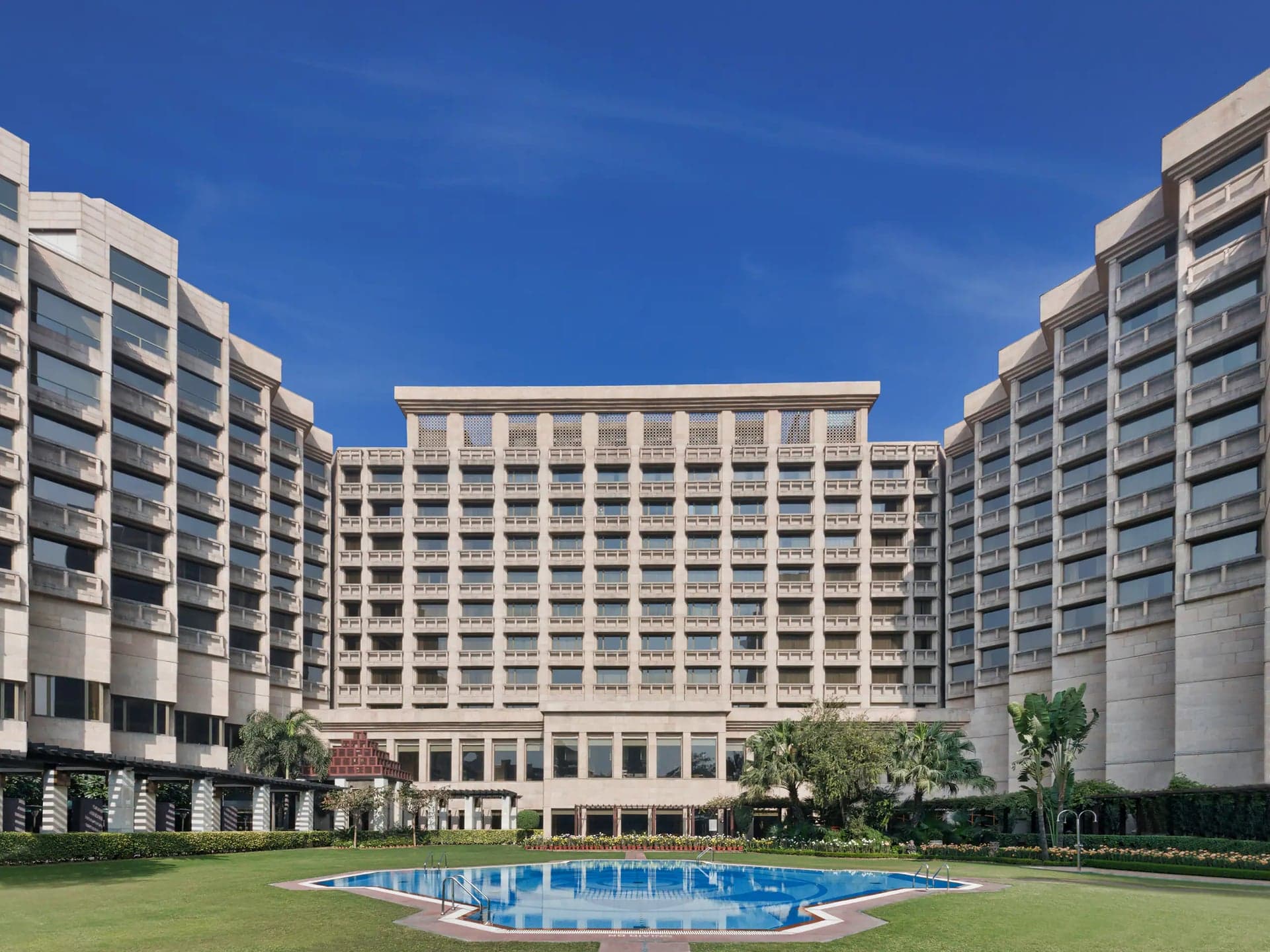
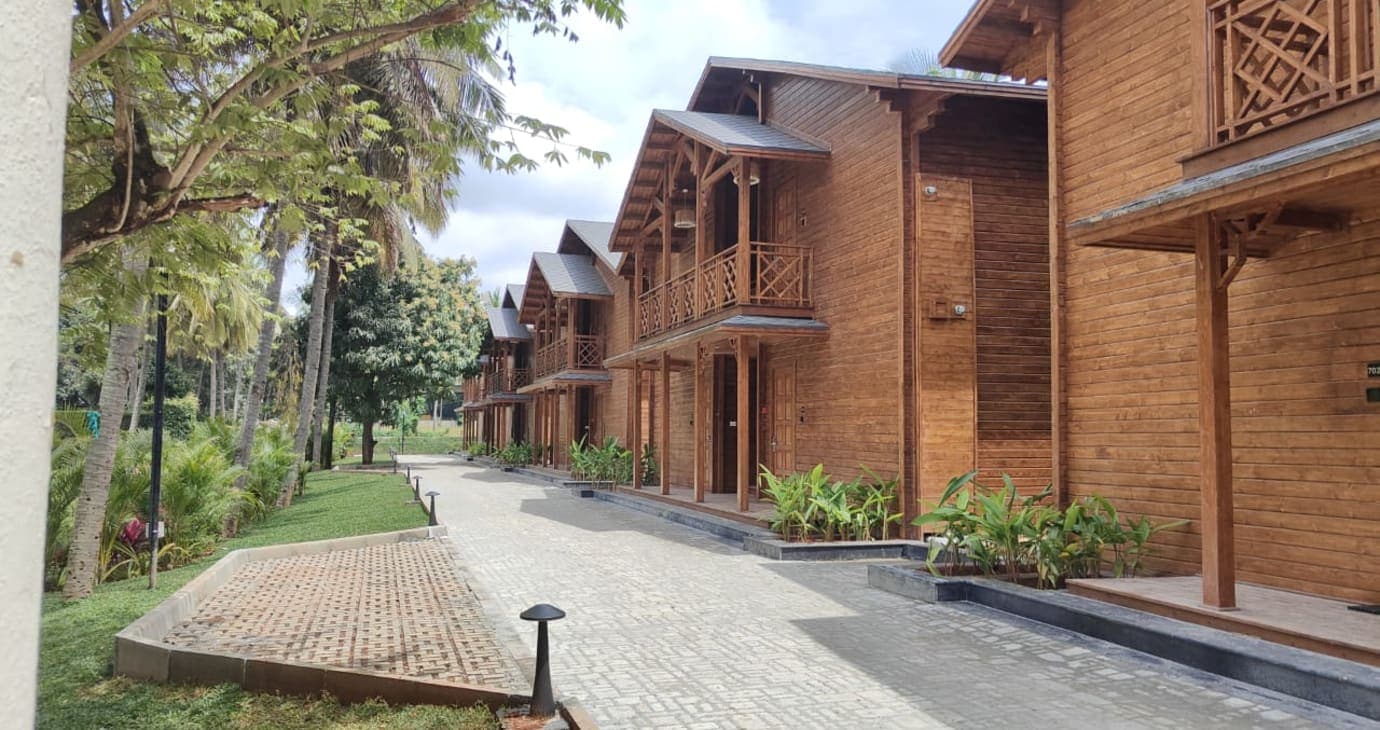
But if you like to wing it, you can easily just show up in town and hire a local taxi stand driver. You'll find the main taxi stand in Middle Pelling. Oh, speaking of which—the town is divided into Upper, Middle, and Lower Pelling. Upper Pelling has the best views and the fanciest hotels. Lower Pelling is where you go if you are on a strict budget and don't mind walking uphill. Middle Pelling is a solid compromise with good restaurants and easy access to transport.
A lot of people ask about combining different regions. If you are trying to do a massive trip, tying together Pelling north sikkim is a popular route. You would typically do Pelling first, drive back east to Gangtok, and then take a separate permit-driven trip up to Lachen and Lachung in the north. Just keep in mind that the roads in Sikkim are rough. A 100-kilometer drive is not a quick two-hour trip like it is on a highway. It will take you four or five hours because you are constantly winding up and down steep mountain passes. If you get carsick, definitely bring your meds.
Let's talk about food really quick. You will find street food and small cafes everywhere. Try the local thukpa (noodle soup). It is heavily spiced and exactly what you need after walking around in the cold wind. Also, look out for anything made with churpi, which is a local cheese made from yak or cow milk. It has a funky, strong taste, but it is super authentic to the region. Pair it with some local cherry brandy if you want to warm up before bed.
Overall, Pelling is just easy. It is not overly commercialized yet, but it has enough infrastructure that you aren't roughing it. You get the mountains, you get the quiet, and you get some really cool local culture. It is one of those places that actually looks like the postcards. Don't skip it, seriously.