
So, you're looking into Madhya Pradesh and wondering where to go next. Let's talk about Satna. It's not the kind of city that ends up on those shiny tourist brochures, and that's exactly why I like it. Most people just use it as a transit hub, hopping off a train and jumping right into a taxi to go somewhere else. Their loss, honestly. If you're putting together a satna travel guide in your head right now, throw out the rigid itinerary. This is the kind of place where you just go with the flow, drink too much sweet chai, and see what happens.
First things first. Looking up how to reach satna? Getting here is super easy. The Satna railway junction is heavily connected because it's on a major route. You'll find trains coming in from Delhi, Mumbai, Kolkata, and pretty much everywhere else. A sleeper class ticket from Delhi might cost you around ₹400, while a 2AC runs about ₹1500. Once you step out of the station, you're going to get hit by a wall of sound. Auto rickshaws revving their engines, vendors shouting about chai, people rushing around with heavy bags. It's loud and a bit chaotic at first glance. Just grab a ₹10 cup of tea in a tiny clay cup from a stall, take a breath, and get ready to jump in.
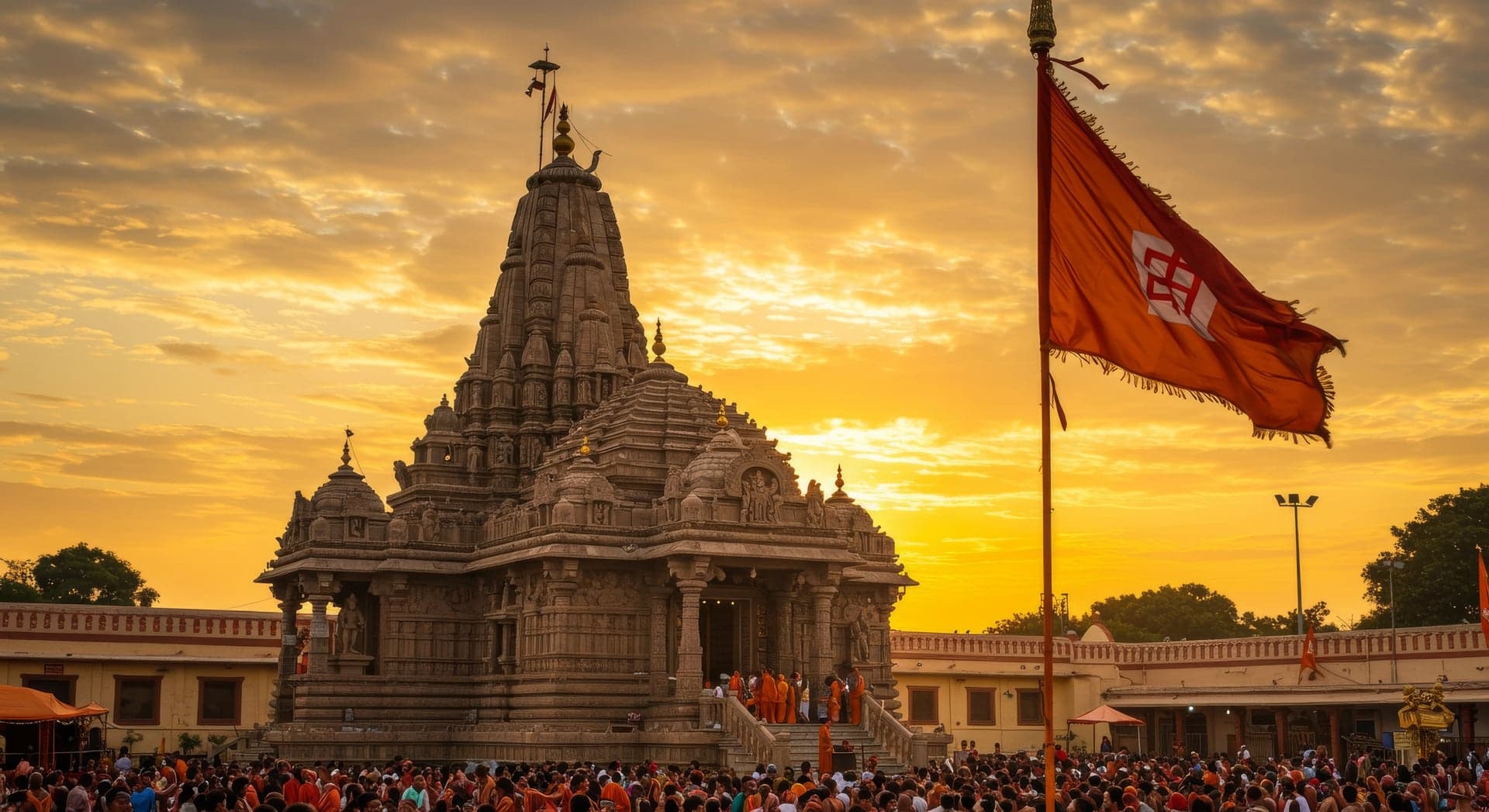
Let's get into the actual places to visit in satna. You really can't talk about this area without mentioning the famous maihar temple near satna. It's a town about 40 kilometers down the road. Why do thousands of people go there every single day? The Maa Sharda Temple. It sits way up on Trikuta hill. You have two choices to get up there. You can climb the 1,063 steps. Yes, over a thousand. It's a serious workout, and you'll see people of all ages doing it, which is honestly pretty motivating. Or, if you're not trying to sweat through your shirt before 10 AM, just take the ropeway. It costs about ₹110 for a round trip and takes just a few minutes. The view from the top? Absolutely incredible. You can see the whole valley stretched out below you, all green and hazy in the morning light.
Then there's Ramvan, which is just 16 kilometers from the city center. It's quiet. Really quiet. They have this famous Tulsi Museum right there on the grounds. If you're into old stuff and local culture, you'll love it. They've got sculptures, old coins, and artifacts that date way back to ancient times. Entry is usually free or costs some negligible amount like ₹10 or ₹20. It's a fantastic spot to kill a couple of hours away from the city traffic. You can just walk around the campus under the massive trees.
But maybe you're asking, what are the top tourist places in satna right inside the city limits? To be perfectly straight with you, the city itself is more about the vibe and daily life than specific massive monuments. You'll find a bunch of local parks pushed around the residential areas and small, neighborhood temples that light up during evening prayers. The real draw of staying here is using the city as a launchpad. You get the convenience of ATMs, good hotels, and transport links.
That brings us to one of the absolute biggest reasons people show up here: chitrakoot near satna. Chitrakoot is legendary. We're talking epic mythology here—it's tied heavily to the Ramayana. The town is physically shared between Madhya Pradesh and Uttar Pradesh, and Satna is the best railway head to base yourself to see it. The satna to chitrakoot distance is totally manageable, it takes maybe two hours by local bus to get there, and tickets are around ₹80-₹100. Once you're in Chitrakoot, go straight to Ramghat on the Mandakini river. You want to be there for the evening aarti (prayer ceremony). The river lights up with hundreds of floating oil lamps. It's magic.
While you're there, don't skip Gupt Godavari. It's a pair of caves with knee-deep water running right through them. Walking through a dark, narrow cave in cool water is an experience you won't forget anytime soon. Then there's Hanuman Dhara, a shrine located up a steep hill where a natural spring cascades over the rocks. It's a bit of a hike, but the breeze at the top makes it totally worth the effort.

Okay, let's pivot back to town, specifically to food and everyday stuff. When you're looking for things to do in satna, eating should be right at the top of your list. The street food here? Cheap, spicy, and ridiculously good. Start your morning like a local with a plate of hot poha and crispy jalebi. A generous plate will set you back maybe ₹20 or ₹30. You'll find wooden carts selling spicy samosas, kachoris, and aloo bonda all over the main markets like City Kotwali road. The area around the railway station never really sleeps, so you can always find something to snack on even at midnight. Grab some roasted peanuts or fresh guavas from the street vendors. Just stick to bottled water for drinking, and your stomach will be fine.
If you're still hunting for historical satna attractions, you should look into the remains of the Bharhut Stupa. It was originally built by Emperor Ashoka. Most of the really good, intact pieces were moved to the Indian Museum in Kolkata years ago (which is kind of a bummer for the locals), but the site itself still has this heavy, ancient feeling to it. You stand there in the dirt and realize people have been walking on this exact spot, praying and living, for over two thousand years. It puts things into perspective.
When it comes to getting around the city itself, auto rickshaws are going to be your best friend. There aren't any big app-based cabs functioning everywhere, so you'll need to haggle a bit. A standard short ride within the city shouldn't cost you more than ₹50. Drivers can be pretty pushy at the railway station, so just walk a few minutes outside the main gate if you want a fairer price. Also, people here are generally super helpful. If you look lost, someone will probably stop and point you in the right direction. Hindi is the main language, so knowing a few basic words will get you a long way. Even just saying 'kitna hua' (how much) when paying for your chai makes things smoother.
Let's talk logistics. If you are wondering about the best time to visit satna, remember that weather gets hot in summer. Really hot. We're talking 40°C or higher in May and June. You do not want to be walking around outdoor temples or climbing thousands of stairs in that kind of blazing heat. The absolute best time to show up is between October and March. The air is cool, especially in the early mornings and late evenings, making it way easier to handle the steps at Maihar or the caves in Chitrakoot.
As for what to pack, keep it modest and comfortable. You're going to be visiting a lot of temples and religious sites. Pack clothes that cover your shoulders and knees. Cotton is the way to go, honestly. It's light, breathable, and dries fast. A good pair of slip-on shoes is a lifesaver too. You'll be taking your shoes off constantly to go inside temples. Lacing up boots twenty times a day gets really annoying, really fast.
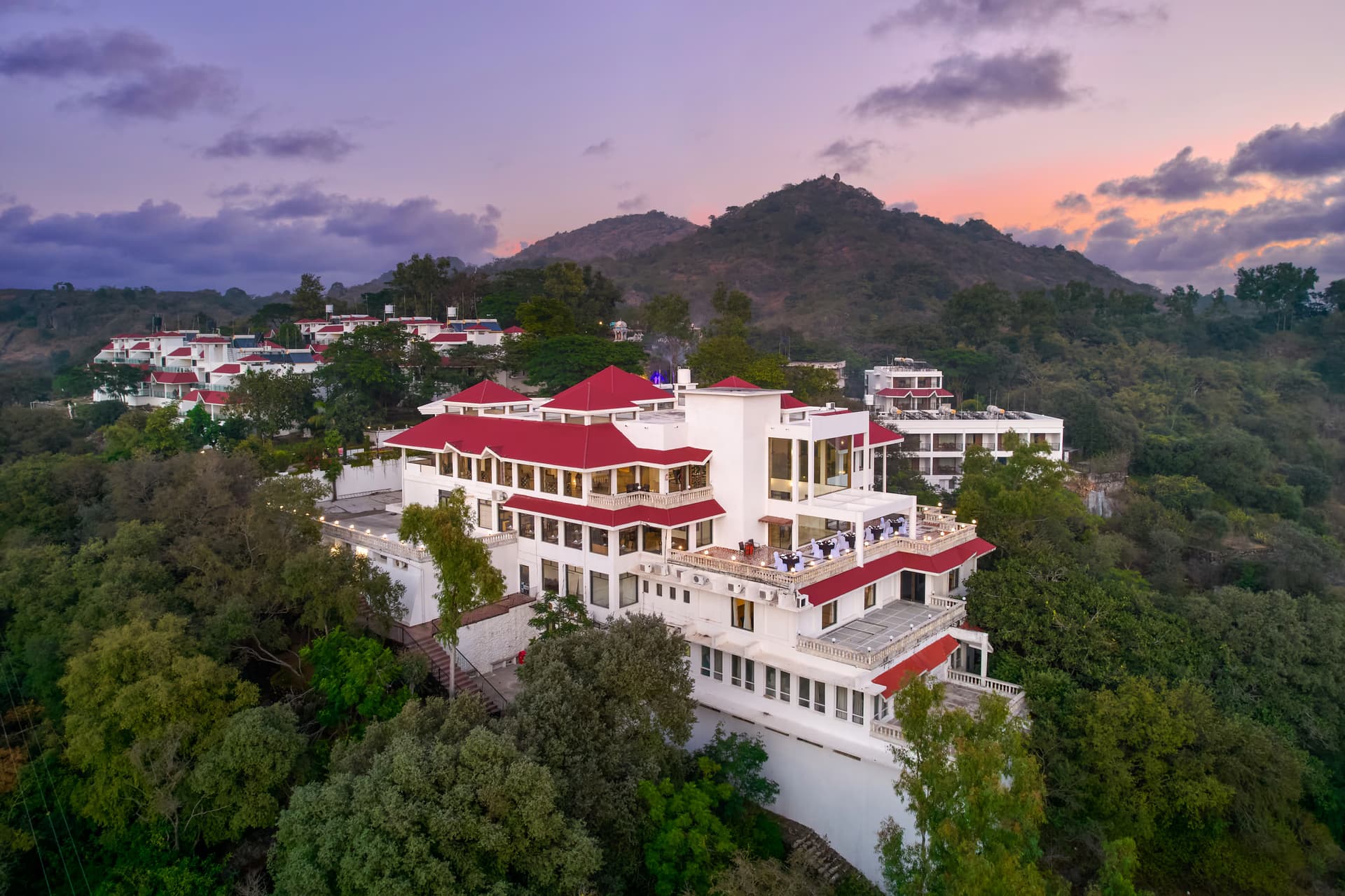
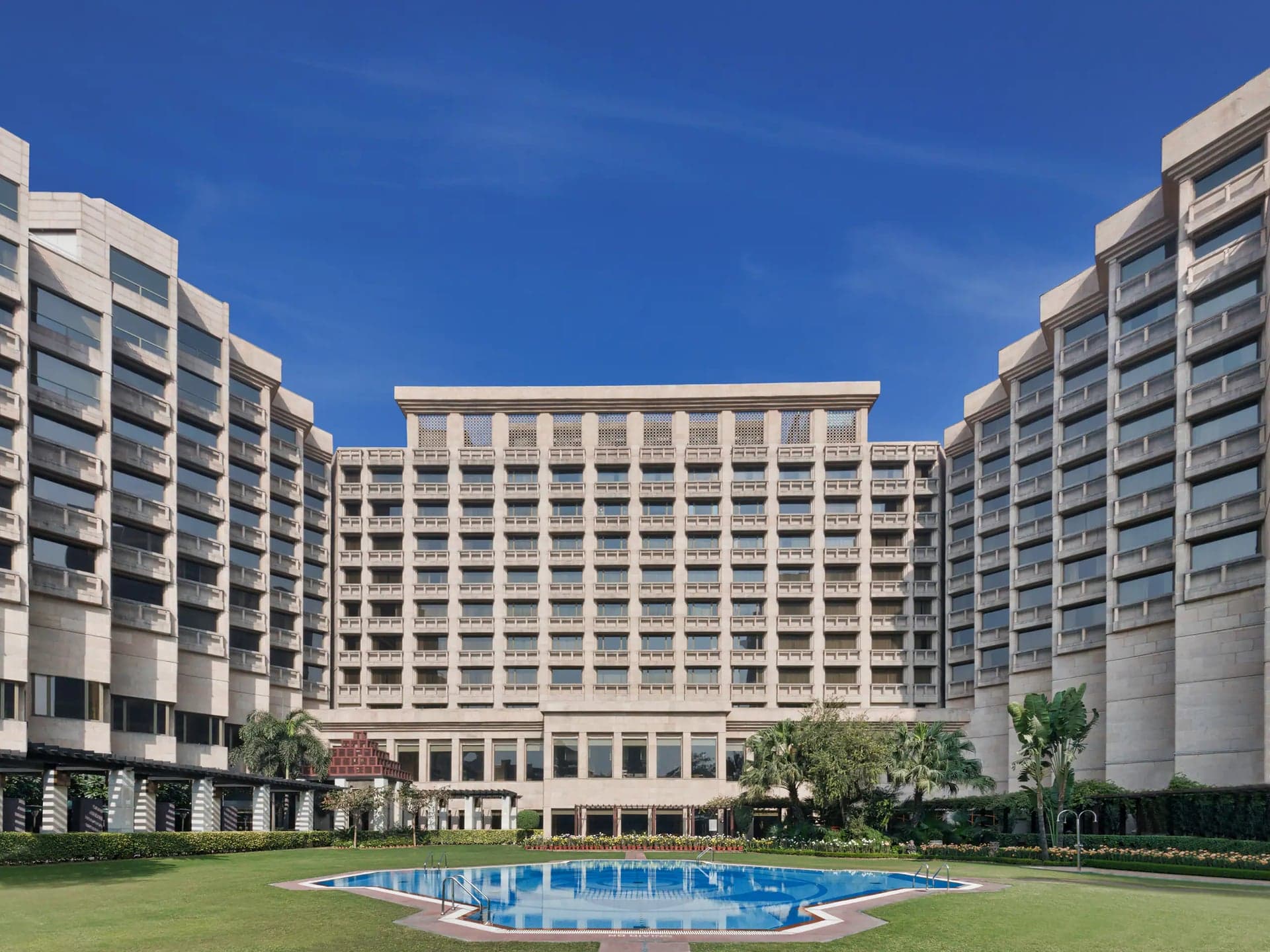
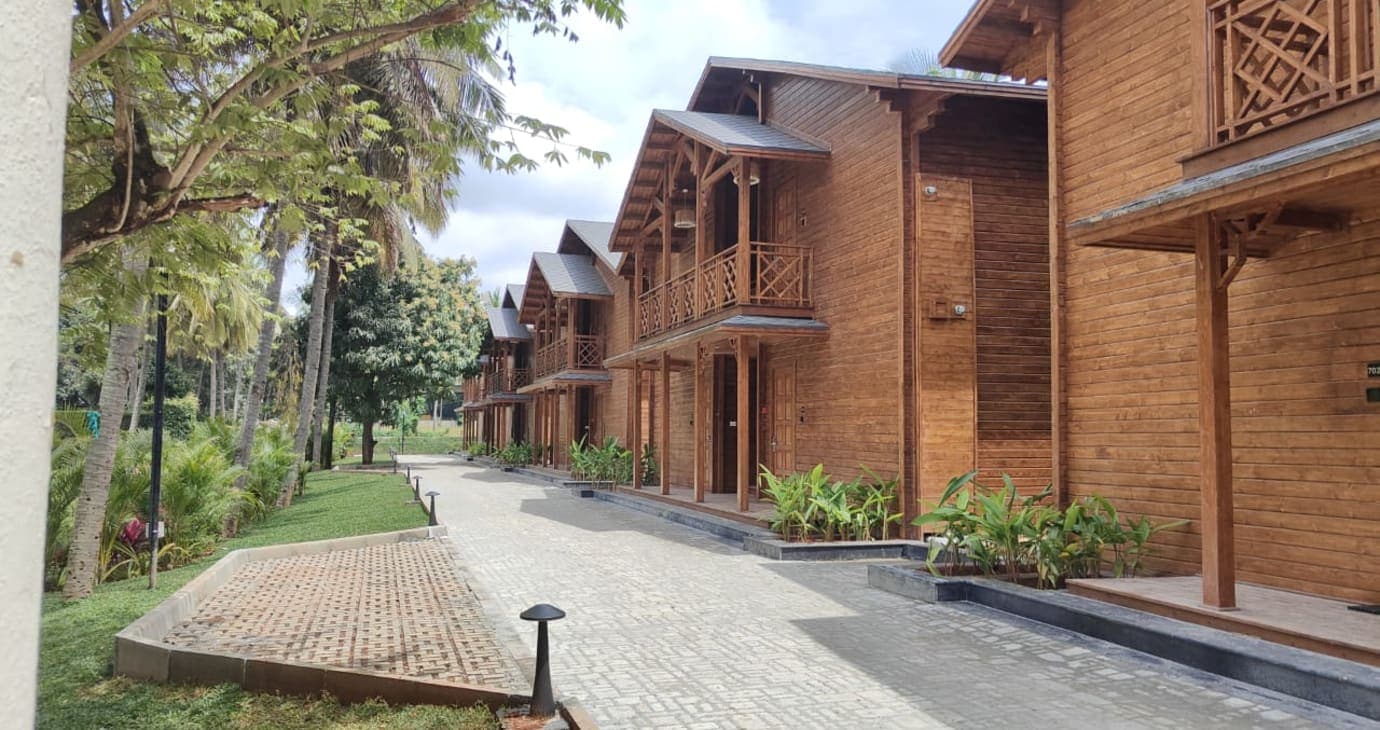
Accommodation is pretty straightforward. You won't find crazy five-star luxury resorts in the city center, but there are plenty of clean, decent mid-range hotels. A solid air-conditioned room will run you anywhere from ₹1000 to ₹2500 a night. Try to stay somewhere near the bus stand or railway station. It just makes planning day trips so much easier when you can walk out your door and jump straight into an auto or a bus.
What about other places near satna? If you have an extra day in your schedule, Panna National Park is totally doable. It's roughly a two-hour drive away. You can hire a private taxi for the day for about ₹2500 to ₹3500 depending on your haggling skills. Going on a tiger safari early in the morning is wild. Even if you don't manage to spot a tiger (they can be sneaky), the forest itself is beautiful and full of deer, monkeys, and massive birds. Khajuraho is also close by, about 115 kilometers away. You could literally wake up in Satna, grab a quick breakfast, and be looking at thousand-year-old temples in Khajuraho by lunchtime.
So, how many days do you actually need here? I'd say two to three days is the sweet spot. Day one: check into your hotel, grab some street food, walk through the local markets, and head to Maihar for the afternoon. Day two: do a full day trip to Chitrakoot, covering the caves, the ghats, and the temples. Day three: hit up the local museums or maybe head out to Panna National Park. It's a laid-back schedule, but it lets you actually see things without feeling totally rushed.
A lot of travelers overlook towns like this because they aren't heavily marketed online. But honestly, that's what makes it great. You get real prices, real interactions, and a genuine look at everyday life in central India. No tourist traps charging ten times the normal price, no overpriced bad souvenirs. Just a solid, authentic experience. Carry a bit of physical cash since not every tiny roadside vendor takes digital payments yet, and just enjoy the ride. It's a trip you won't regret taking.