
Okay, let's talk about Verona. Most people just do a day trip here from Venice or Milan. Their loss, honestly. Verona has this incredible laid-back vibe that you just don't get in the massive tourist hubs. You can walk almost everywhere, grab a really good coffee for €1.50, and stare at ruins that are literally two thousand years old.
So, when should you actually pack your bags? The best time to visit Verona Italy really depends on your tolerance for heat and crowds. Personally, I think late spring and early autumn are top tier. September is amazing. The weather cools down to a nice 22°C, and the summer rush is mostly gone. But if you're asking me about the absolute best time to go to Verona for music, you have to look at July and August. Yes, it gets hot. Really hot. We're talking 35°C sometimes. But that's when the magic happens in the main square.
If you're planning a trip around the hotter months, the best time to visit Verona is purely driven by the festival season. Have you heard about the Roman amphitheater right in the middle of the city? It's older than the Colosseum in Rome. And they still use it. The events arena Verona puts on during the summer are wild. We're talking massive, full-scale productions under the stars. People literally fly in just for this. If you don't want the stress of booking everything yourself, looking into verona opera tours is a pretty smart move. They handle the tickets, sometimes the hotel, and the logistics. There are tons of verona opera trips you can book online before you even land in Italy.
Let's get into a mini verona city guide. What do you actually do here besides listen to people sing really loudly? Well, the best things in Verona aren't always the most famous ones. Obviously, there's Juliet's balcony. You'll see signs for it everywhere. Go look at it, take your photo, but don't spend hours there. It's usually packed shoulder-to-shoulder with people.
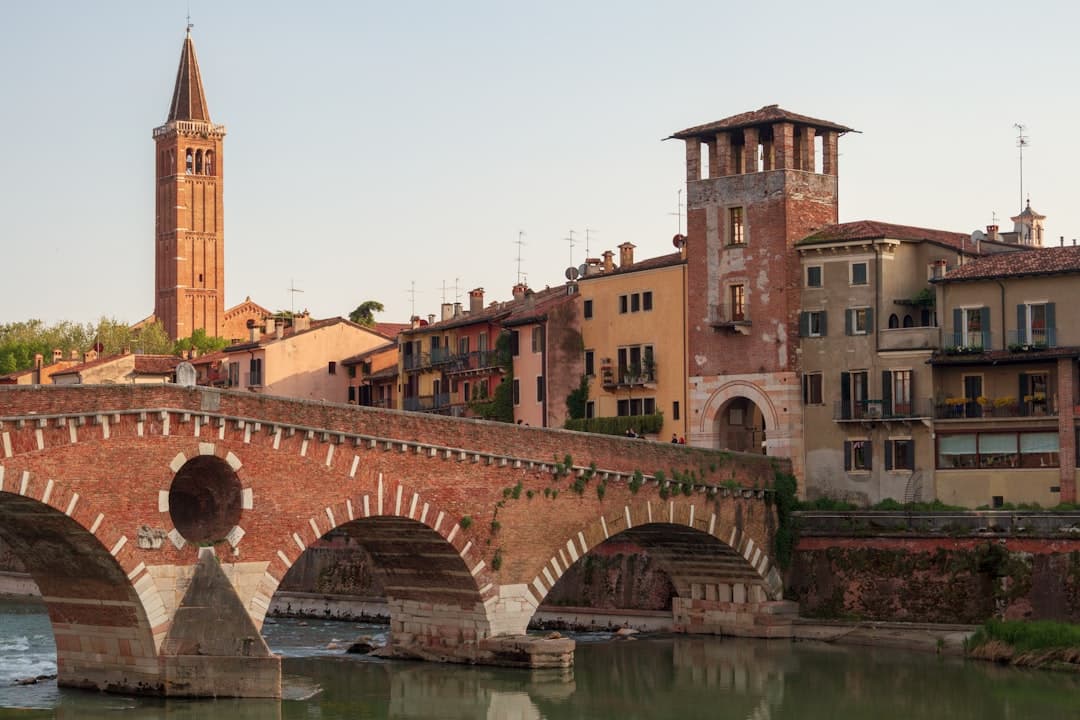
Instead, walk over to Castelvecchio. It's an old red-brick castle with a bridge that crosses the Adige river. Walking across that bridge at sunset? Absolutely ridiculous how pretty it is. Plus, it's completely free. From there, you can wander up to Piazzale Castel San Pietro. You have to take this little funicular railway up the hill (costs about €2), or you can walk up the stairs if you want a workout. The view from up there shows you the whole city layout with the river curving right through the middle.
Food is another major reason to stay a few nights. You won't find tourist-trap menus with pictures of spaghetti everywhere. Try the risotto all'Amarone. It's made with the local red wine and it is ridiculously good. Expect to pay around €15 to €20 for a solid dinner main course in a decent trattoria. And get a spritz. You're in northern Italy, it's practically mandatory.
If you get confused or lost (though the center is pretty small), just head to the tourist information verona italy office right by the train station or near Piazza Bra. They hand out free physical maps. Sometimes it's just easier to have a piece of paper in your hand instead of draining your phone battery on Google Maps.
Let's talk about where to stay. The historic center is the obvious choice. You step out of your Airbnb and boom, you're looking at a 12th-century church. But hotels here can be pricey, especially during festival season. If you want to save some cash, look at the San Zeno neighborhood. It's only a 15-minute walk from the main squares, but it feels like a completely different town. It's quiet, locals actually live there, and the cafes charge normal prices. Plus, the basilica there is seriously cool to look at.
What about a rainy day? It happens. Fall brings rain, and even summer has the occasional thunderstorm. If you get stuck inside, hit up the indoor markets or some of the smaller museums. The local wine scene is huge. Valpolicella is the big wine region right next door. You can easily spend an afternoon sitting in an enoteca (a wine bar) just tasting different glasses of Ripasso or Amarone. A good glass will run you maybe €6 to €8. Pair it with some local cheeses and cured meats, and you've got a perfect lazy afternoon.
A lot of people ask if three days is enough. Three days is perfect. You get one day for the main sights, one day to just wander and eat, and a third day for a quick trip out of the city. Lake Garda is insanely close. You can catch a regional train to Peschiera del Garda for a few euros, and you're at the lake in 15 minutes. It's a massive, gorgeous lake with little resort towns dotted all around it. Rent a bike, grab some gelato, and ride along the water.
Let's loop back to the practical stuff. Packing for this city requires some strategy. If you're coming for the summer shows, bring something nice to wear. Italians dress well, even when it's boiling outside. But do not bring high heels. The streets are completely paved in cobblestones and ancient slick marble. You will twist an ankle within five minutes. Comfortable sneakers or flat sandals are your best friends here.
Also, keep in mind that the local schedule might be different from what you're used to. Things close in the afternoon. From about 1 PM to 4 PM, a lot of shops and smaller restaurants just shut their doors. It's a good time to take a nap or sit in a piazza with a drink. Dinner doesn't really get going until 8 PM at the earliest. Show up at 6 PM expecting dinner, and you'll probably only find bars serving aperitivo snacks.
Getting here is super easy, too. The main train station, Verona Porta Nuova, connects to Venice in about an hour and to Milan in under 90 minutes. High-speed trains run constantly. You don't even need a car unless you're planning to drive out to the countryside.
So yeah, Verona is just one of those places that gets under your skin. It's completely manageable, the food is incredible, and you don't feel like you're fighting for your life against massive tourist groups, at least once you get away from Juliet's house. Pack light, eat the risotto, and definitely climb the hill for sunset.