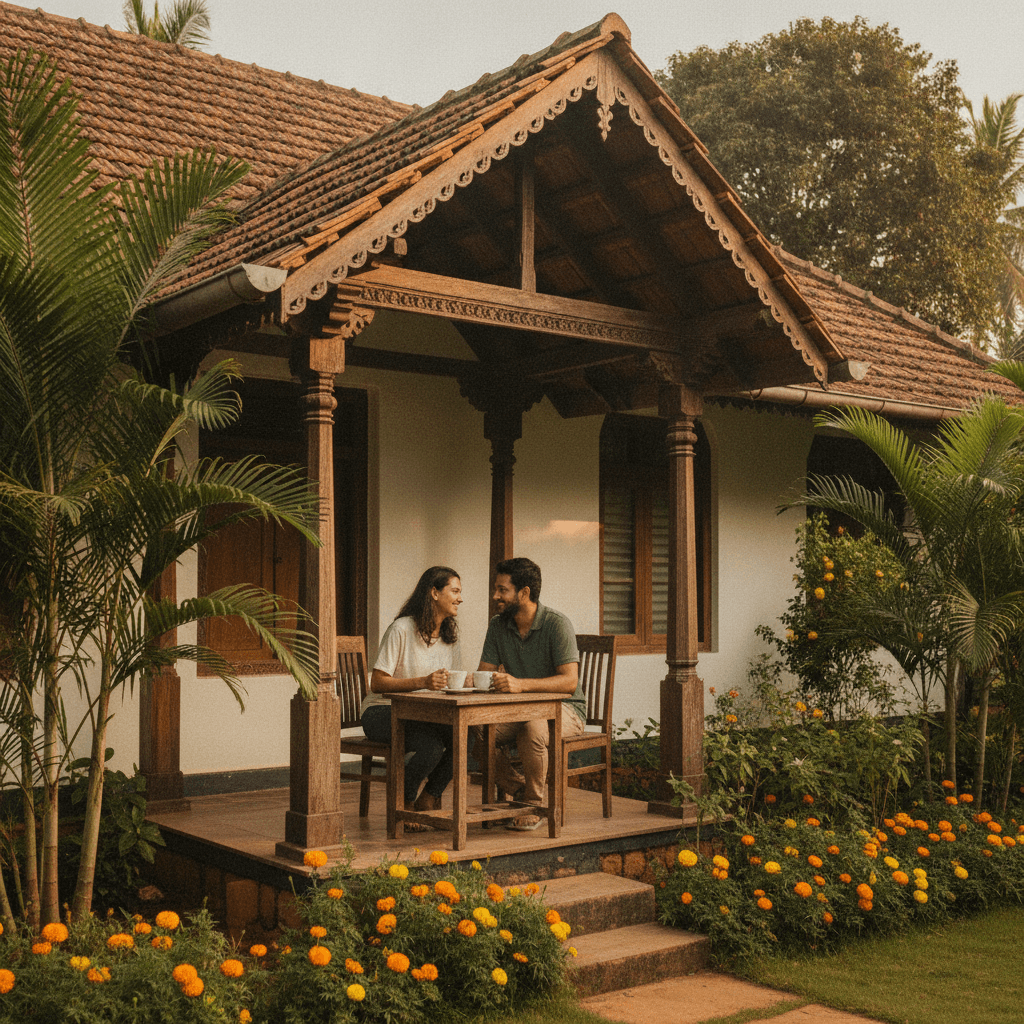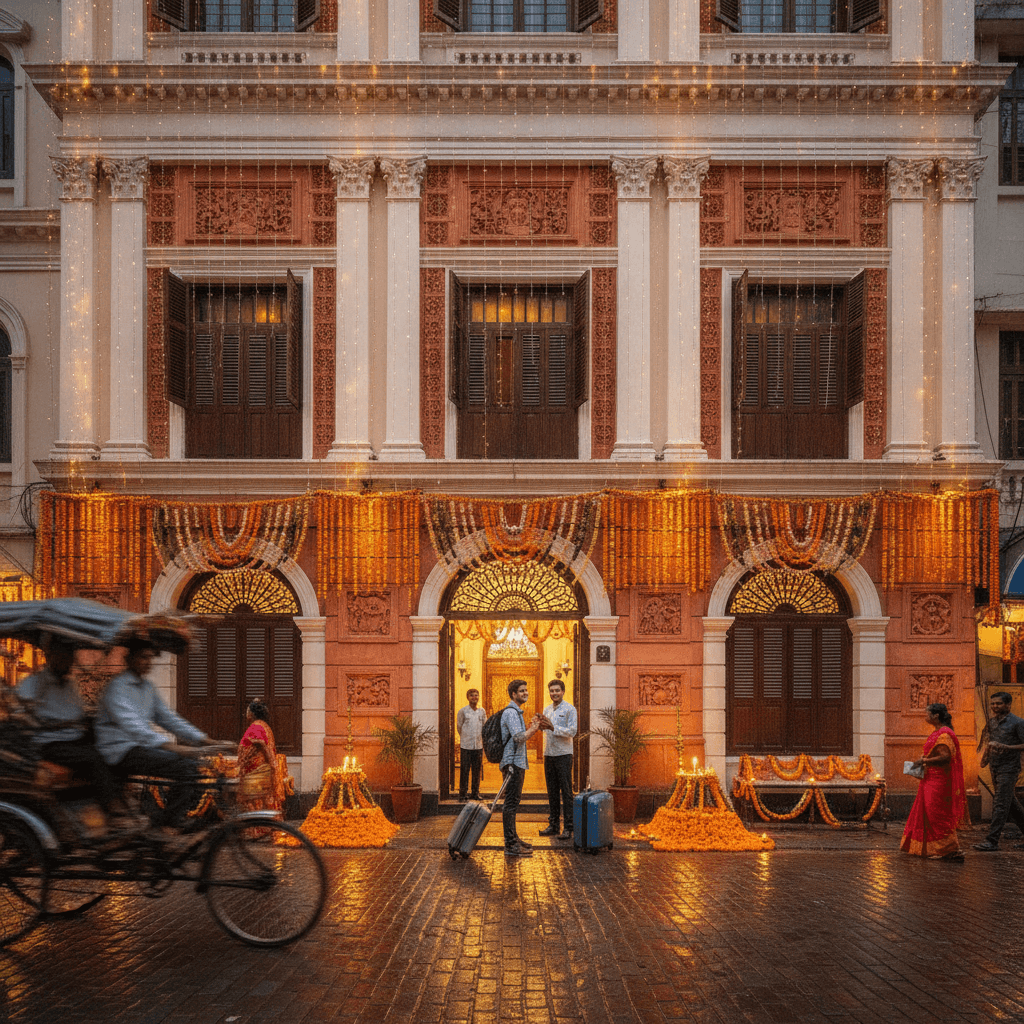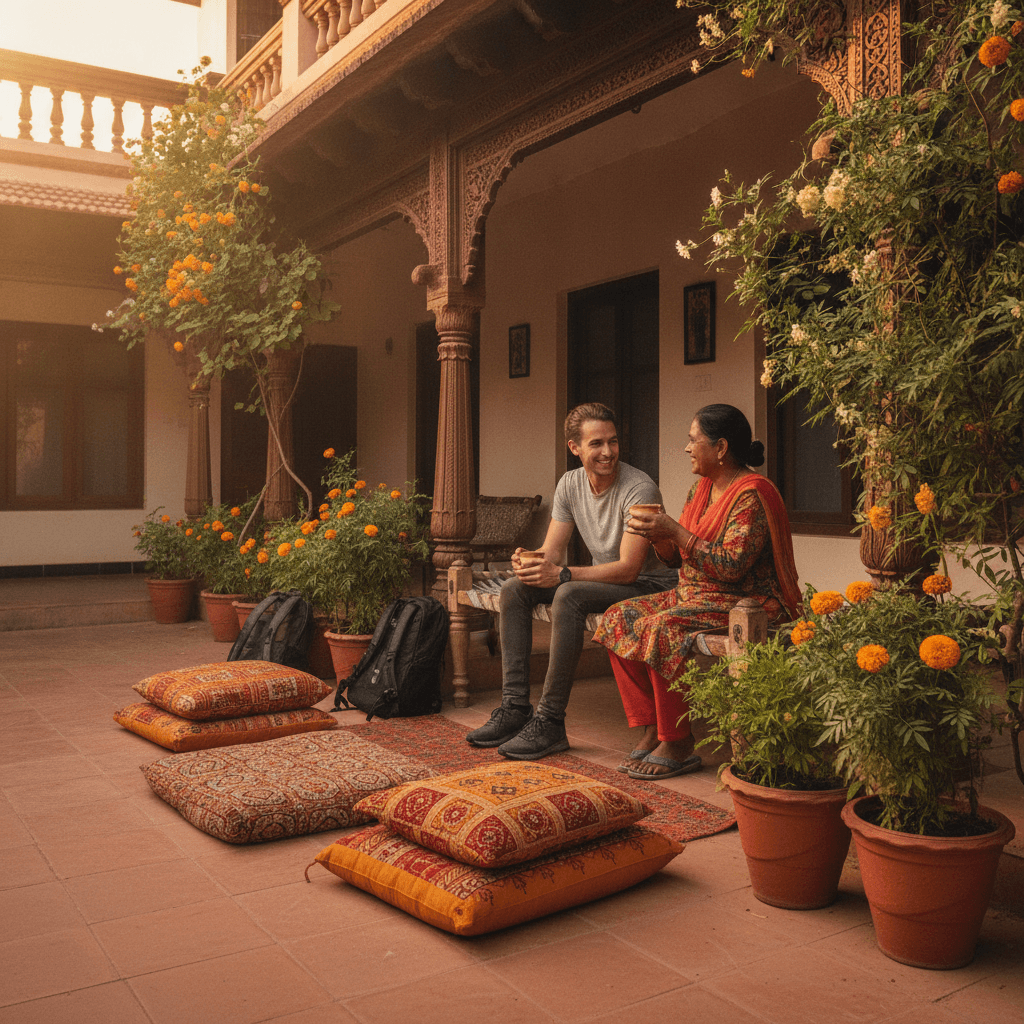

I used to default to the big global platforms for every single trip I took. Heading to Goa with friends? Open the app. Quick weekend getaway to Manali? Open the app. But lately, I think a lot of us are feeling the same specific kind of frustration. You find a gorgeous little cottage that says it costs ₹2,500 a night. Great, right? But by the time you click through to the checkout page, the cleaning fees, service charges, and taxes have somehow bumped it up to ₹4,200. It is exhausting.
Look, I still use it sometimes, but it's definitely not the only game in town anymore. Especially here in India, the homestay market has absolutely exploded over the last few years. If you are hunting for Airbnb alternatives in India, you actually have some really solid, often cheaper, options now, including platforms built specifically for this, like Tripandstays, which skips the hidden-fee problem altogether by showing you the final price upfront. And honestly, it is about time. When you are looking for budget stays, you want your money going to the actual host or toward your experiences, not paying massive overheads to a tech company in another country.
The thing about traveling in India is that our hospitality culture is naturally built around homestays. Long before apps existed, families in Kerala, Himachal, and Coorg were opening up their spare rooms to travelers. What's happening now is that local platforms and other travel aggregators are finally catching up to the tech side of things. Let's talk about some of the best ways to book your next trip without dealing with ridiculous hidden fees.
Tripandstays: Built for This Exact Problem
Before I get into the bigger names, I want to start with the platform that got me thinking about this whole topic in the first place. Tripandstays was built specifically to solve the hidden-fee frustration I mentioned above, what you see on the listing is what you pay at checkout, no surprise cleaning charges tacked on at the last screen.
What I like about it is how the categories are organized around why you're actually traveling, not just where. Planning a big family trip? Go straight to Family Reunion Villas. Need a few weeks somewhere to work remotely? There's a dedicated Workations category. Want a place with a private pool, a heritage property, or somewhere pet-friendly? Each has its own filtered section: Pool Villas, Heritage Homes, Pet-Friendly Stays. It cuts down on the endless scrolling you do on the bigger, more generic platforms.
MakeMyTrip and Goibibo: The Domestic Giants
I know what you're thinking. You probably use these apps for flights or standard hotels. But over the last couple of years, MakeMyTrip (and its sister platform Goibibo) have quietly built up one of the largest inventories of homestays and villas in the country. If you want something similar to Airbnb in India, this is usually the first place I tell people to look.
Here is what works for me with MMT: their pricing is usually exactly what you see on the first page. No massive cleaning fee jumps at checkout. Plus, because they are deeply embedded in the Indian market, they have listings in tier-2 and tier-3 cities that global platforms just don't reach. If you are trying to find a budget homestay in a lesser-known part of Uttarakhand or a small beach town in Karnataka, MMT often has local hosts who only list with them.
It's not perfect, obviously. The app interface can feel really cluttered with all the flight, cab, and train booking options shoved in your face. Sometimes it's hard to filter down to just homestays without accidentally including standard hotels. But if you have the patience to click through the filters, you can find incredible local properties. Another big bonus? Their customer service is India-based. If a host cancels on you last minute (which, let's be real, happens), it is usually much easier to get someone on the phone to sort out a refund or rebook you.
Agoda Homes and Booking.com: The Overlapping Inventory Secret
This is probably my favorite open secret in travel right now. A huge percentage of hosts list their properties on multiple platforms to get maximum visibility. That means the exact same beach hut or mountain cabin you found on one app is almost certainly listed on Agoda or Booking.com as well.
When people ask me for sites like Airbnb India, I always tell them to cross-check Agoda. Agoda has a specific "Homes" filter that weeds out the traditional hotels and only shows you apartments, villas, and homestays. Because Agoda and Booking.com use different commission structures, the nightly rate for the traveler is often noticeably cheaper. I've literally sat at my laptop with two tabs open, looking at the exact same property with the exact same photos, and booked it on Agoda for 15% less.
There is a catch, though. The communication system on these platforms isn't always as smooth for chatting with hosts before you book. If you have specific questions about whether the WiFi can handle Zoom calls or if the approach road is safe for a small car, real problems when road-tripping in India, getting an answer can sometimes take a day or two. But for the price difference, it's usually worth the slight inconvenience.
Zostel: Not Just for Backpacker Dorms Anymore
Hear me out on this one. When you hear "Zostel," you probably think of 19-year-olds playing acoustic guitars in a dorm room. And yeah, they still do that. But over the last few years, Zostel has aggressively expanded their private room and "Zostel Homes" categories.
If you are traveling solo or as a couple and looking for budget stays, Zostel Homes are genuinely fantastic. They partner with local property owners in places like Spiti Valley, Wayanad, and Sikkim to create boutique homestay experiences. You get the privacy of your own room and bathroom, but you still have access to the social common areas if you want to meet people. It completely solves the isolation problem that sometimes comes with renting an entire private apartment.
The downside? They sell out ridiculously fast. Because their quality control is generally very reliable (you know the bed sheets will be clean and the WiFi will mostly work), people book them months in advance for long weekends. Also, if you are someone who wants absolute dead silence at 8 PM, a property associated with a hostel brand might not be your best bet. But for the price point and the locations they offer, they are incredibly hard to beat.
SaffronStays and StayVista: When You Are Booking for a Group
Okay, let's pivot away from strictly budget stays for a second, because sometimes you are planning a trip for six friends or a big family get-together. When you split the cost of a large property, it often ends up being just as cheap per person as a budget hotel. For these kinds of trips, looking for sites similar to Airbnb India usually leads you to curated platforms like SaffronStays or StayVista.
Here is the thing about booking a massive 4-bedroom villa through unverified hosts: it is a huge gamble. I've shown up to "luxury" villas where the pool was half-empty and the AC units sounded like tractors. Platforms like SaffronStays manage the properties themselves. They handle the staff, the food, and the maintenance. It takes the unpredictability out of the equation.
What I really appreciate about this model is the focus on food. In traditional homestays, meals can be a gray area. Sometimes breakfast is included, sometimes you're cooking for yourself, sometimes there's a cook who charges extra. With these managed villa platforms, you usually get a dedicated caretaker and chef, and they are very upfront about meal package costs. It saves you from that dreadful group argument about where to order dinner from when you are miles away from the nearest Swiggy delivery zone.
If a managed group villa is what you're after, Tripandstays has the same curated model built in, check out Family Reunion Villas or Group Stays for verified, staffed properties without the guesswork.
Going Direct: The Old-School Method
At the end of the day, no platform is going to be perfect for every single trip. But I also want to give a shoutout to the most old-school method of all: direct booking. If you find a place you love on a major aggregator, try looking up the name of the homestay on Google Maps. More often than not, the host has set up a simple Google Business profile with their direct phone number. If you call them up, they are usually thrilled to take a direct booking because it saves them the 15-20% platform commission. They will almost always pass some of those savings on to you.
If you'd rather not hunt around, Tripandstays covers most of this ground already, but depending on what kind of trip you're planning, here's where to start:
- Mountain Cabins or Beachfront depending on the terrain you're chasing
- Farmstays for something slower-paced
- Long-Term Stays if you need more than a few nights
- Group Stays for a bigger crew
Tips for Booking Direct
If you are going the direct route, just keep a few practical things in mind to protect yourself:
- Ask for recent pictures of the room, especially if you are traveling right after the monsoon season when dampness is a real issue
- Confirm exactly what is included in the price (is the heater extra? is breakfast just toast and tea, or a proper local meal?)
- Don't pay the full amount upfront, a 30% to 50% advance via UPI is standard, pay the rest when you arrive and see the place
Final Thoughts
Traveling in India is incredible, but the planning phase shouldn't feel like a second job. We've gotten so used to paying premium fees just for the convenience of an app, but the landscape is shifting. Whether you use a local aggregator, a curated villa platform, or just start calling up homestays directly from Google Maps, you have the power to step outside the dominant ecosystem. It might take an extra ten minutes of research, but finding that perfect little homestay, and paying a fair price for it, is always worth the effort.
Curious what running a homestay actually earns? Check out Homestay Business: Earnings & Income Guide, or explore where the industry is headed in Stays Industry Trends: The Future of Accommodation.