Getting to the city is easy. That's what makes it strange that more people don't visit.
Bidar sits in the northern tip of Karnataka.
From Hyderabad, it's a straight drive on NH65. Roughly three hours, depending on city traffic. The road is smooth for the most part. You'll pass small dhabas and sugarcane fields. Stop for chai on the highway — it's part of the experience.
If you don't want to drive, take the train. The station sits right in the middle of town. Super convenient.
The Massive Walls of the Old City
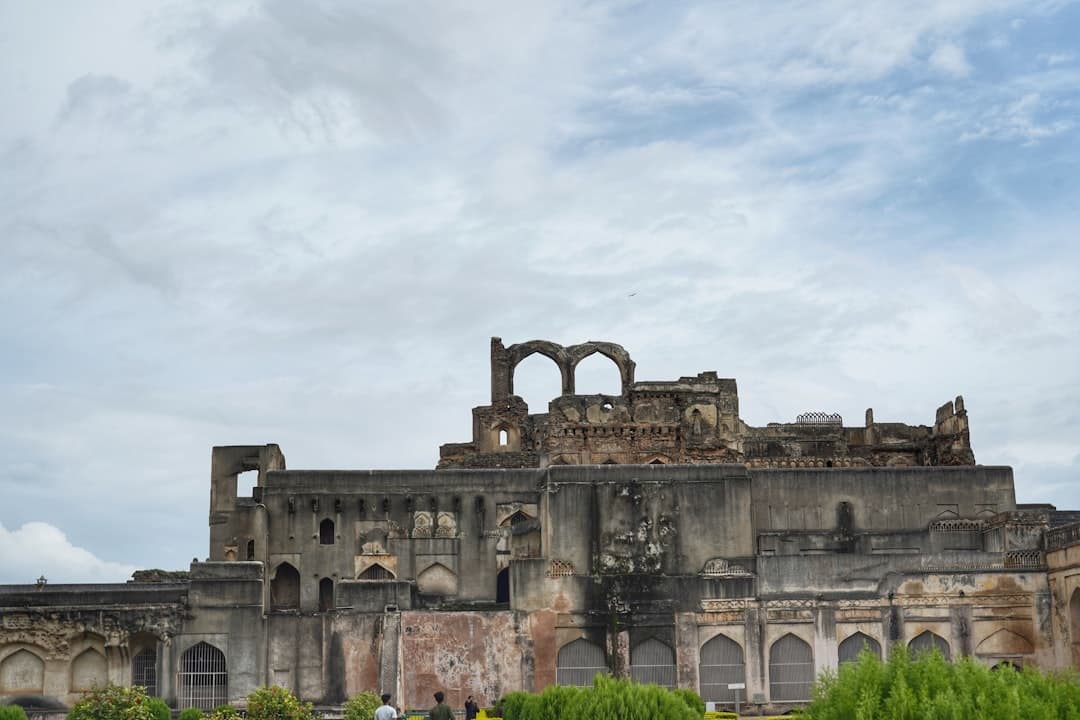
Once you arrive, drop your bags at a hotel and head straight for Bidar Fort.
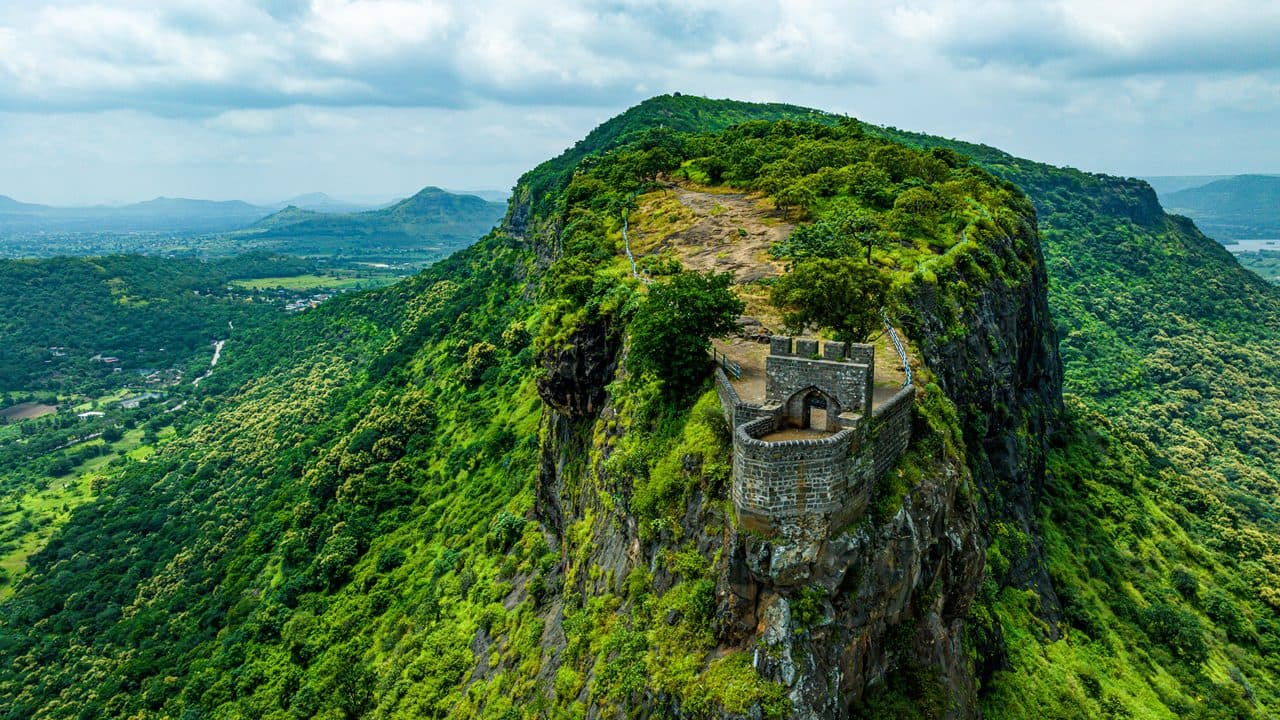
The scale is hard to describe. You walk through massive wooden doors with iron spikes — designed to stop elephants from ramming them down. Then you're transported to another era. A triple moat surrounds the whole thing. They really didn't want anyone getting in.
This fort is the anchor of any heritage trip to Bidar. Plan on four or five hours just inside these walls.
Inside, look for the Rangeen Mahal. The name means "Colorful Palace." It makes sense once you step in — the woodwork and mother-of-pearl inlay are incredibly detailed. Locals take selfies here, but it rarely feels crowded.
You'll also find old royal baths and audience halls, where kings once held court.
Quick tip: Wear comfortable shoes. The ground is uneven, and you'll walk a lot. Watch out for monkeys too. They will steal your water bottle if you're not paying attention.
Creepy but Cool Tombs
Next, head to Ashtur. It's a tiny village just outside the city, maybe 3–4 km out. Here you'll find the Bahmani Tombs. Eight giant domed structures stand in a row on a vast, empty plain. It's slightly eerie near sunset. Mostly, it's just cool. Don't skip this one. Some tombs still have faded paintings inside, somehow surviving for hundreds of years. There are no ropes, no glass cases. You walk right in. You can touch history.
Shopping and Local Crafts
Bidriware is one of the best things to explore in town. It's a unique metalwork craft that originated right here. Local artisans inlay pure silver wire into a blackened alloy of zinc and copper. The contrast between dark metal and bright silver is striking.
You'll find tiny workshops in the old town's winding alleys. Artisans sit on the floor, hammering away just like their grandfathers did. Buy a small vase or some bangles. Negotiate a little. A small piece runs about ₹500–1000, depending on detail. It also supports local craftsmen directly. Next, visit the Mahmud Gawan Madrasa. It looks like a piece of Persia dropped into India. It was once an ancient university.
The main minaret is covered in bright blue and green glazed tiles. A gunpowder explosion during a siege destroyed a large chunk of it centuries ago. What's left is still incredible. You can almost picture students from the 1400s studying math and astronomy here.
Food and Peaceful Retreats
You'll walk a lot seeing Bidar's attractions. You'll get hungry too. Ask any local auto driver for Kalyani Biryani. It's different from the famous Hyderabadi version next door — lighter, with more tomato and cumin. A steaming plate costs around ₹150 at small joints near the main bus stand. Pair it with strong, sweet local chai. Also visit the Gurudwara Nanak Jhira Sahib. It's one of the most important Sikh pilgrimage sites in South India — a surprise, given the location. The story: Guru Nanak visited this spot in the 1500s during a severe drought. He moved a rock with his foot, and a sweet water spring gushed out. That spring still flows today. You can drink from it. The complex is peaceful and spotless. The community kitchen (langar) serves free food to anyone, regardless of background.
Best Time to Visit
Summers get brutally hot — 40°C by April and May. Skip climbing stone steps in that heat. The best window is October to March. Mornings are cool. You might need a light sweater in December or January.
Monsoons (July–September) turn the rocky terrain a brilliant green. But heavy rain can disrupt walking plans.
Getting Around
You don't need to rent a car. Auto-rickshaws are everywhere. Just agree on the price before getting in. A full-day auto rental to see all the main spots costs around ₹800–1200, depending on your negotiation. Drivers usually know the shortcuts, the best food spots, and random ruins that aren't even on the map.
Final Thoughts
Bidar is for people who like to take their time. It's not flashy. No nightclubs, no luxury resorts. It's dusty, authentic, and full of character. Sit on a 15th-century fort wall. Watch the sun set over the Deccan plateau. You won't hear a single car horn. Most tourists skip this spot entirely. Their loss. Give Bidar at least two full days. It's worth the detour.