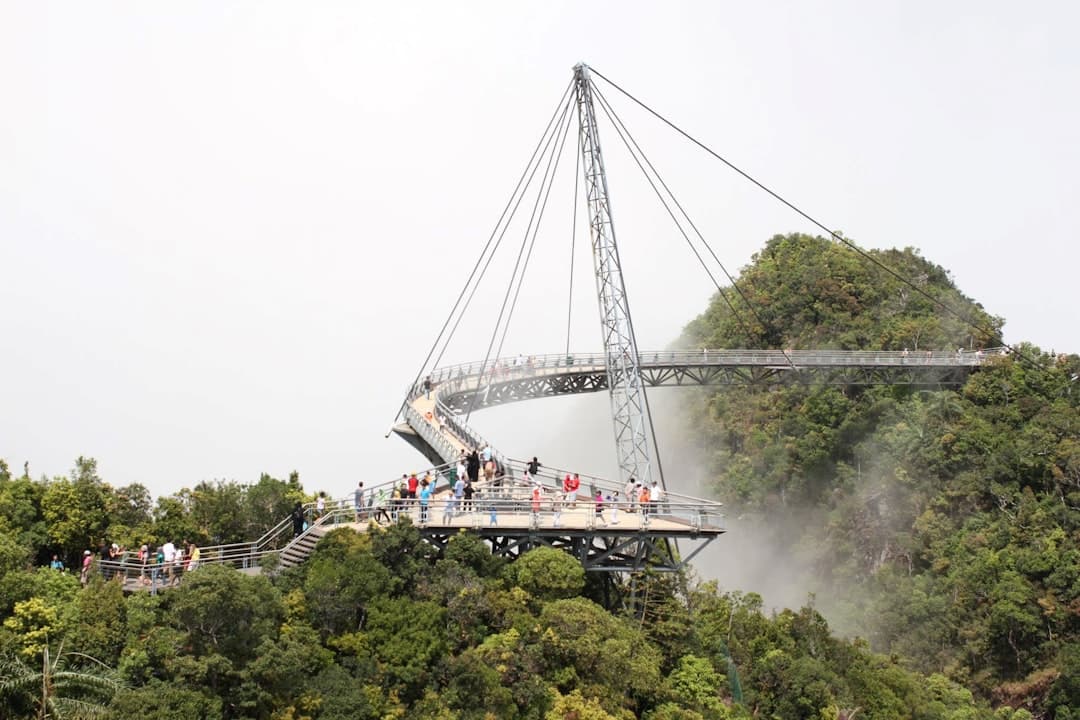
Okay, let's be honest for a second. When people talk about visiting Kedah, they’re usually talking about Langkawi. And sure, Langkawi is great. It has duty-free chocolate and nice beaches. But if you treat the mainland of Kedah as just a drive-through state on your way to the jetty, you are missing out on the soul of northern Malaysia.
I’ve spent time wandering around here, and the vibe is just... different. It’s slower. It’s greener. The food is spicier. It’s the kind of place where locals will actually stop and chat with you because they aren't sick of tourists yet. If you are looking for best places to visit in Kedah Malaysia that feel authentic, you have to explore the mainland.
The Capital: Alor Setar
You might expect the state capital to be noisy and congested, but Alor Setar is surprisingly chill. It’s easily one of the top tourist attractions in kedah, mostly because of the architecture.
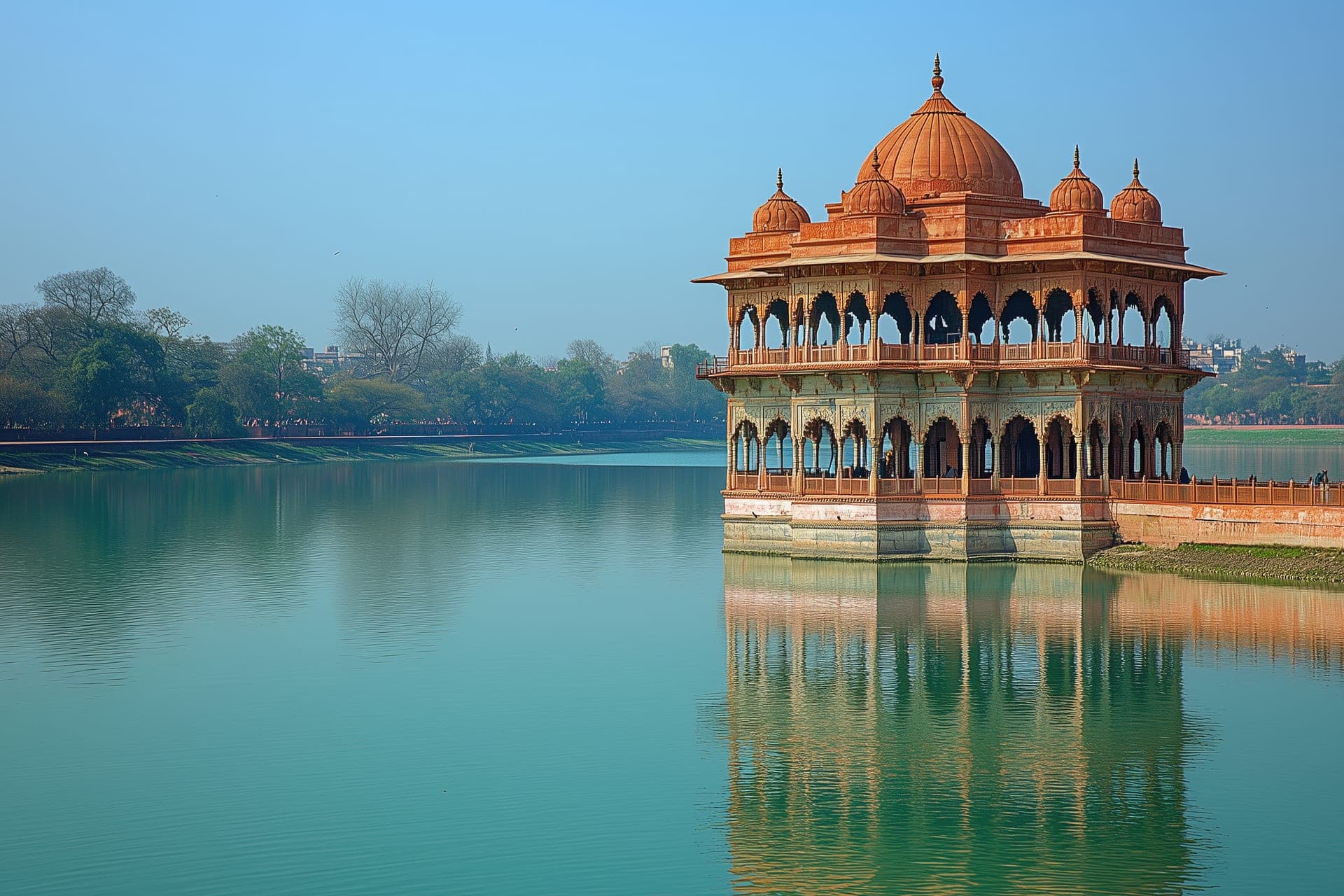
You have to see the Zahir Mosque (Masjid Zahir). It’s strictly one of the most beautiful mosques I’ve seen in Southeast Asia. It’s got these black domes and white walls, and it sits right in the middle of a massive square (Dataran Alor Setar). If you go there in the evening, the call to prayer echoes across the plaza, and it’s just a really powerful moment, even if you aren't religious.
Right across from it is the Royal Museum and the Balai Besar. They use a lot of wood and gold in the designs here. It feels regal but approachable. And the best part? Entry to most of these places is either free or costs practically nothing.
Then there’s the Alor Setar Tower (Menara Alor Setar). It’s the second tallest telecommunications tower in Malaysia. You can go up to the observation deck for about RM10 to RM20. On a clear day, you can see all the way to the coast. It’s a great way to get your bearings and see just how flat the surrounding paddy fields are.
The Rice Bowl Experience
Speaking of paddy fields, you can't come here and ignore the rice. Kedah produces nearly half of Malaysia's rice. If you are a photography nerd, the scenic spots in kedah malaysia don't get better than the endless green carpets of young rice plants (usually around May or June) or the golden fields ready for harvest (around December).
There is actually a Paddy Museum (Muzium Padi) at Gunung Keriang. It sounds boring—a museum about rice?—but it’s weirdly fascinating. They have this massive 360-degree mural upstairs that was hand-painted by North Korean artists. It spins slowly while you sit on these rotating chairs. It’s a bit trippy, but very cool. It’s also air-conditioned, which, let me tell you, is a lifesaver when it’s 34°C outside.
Ancient History in Bujang Valley
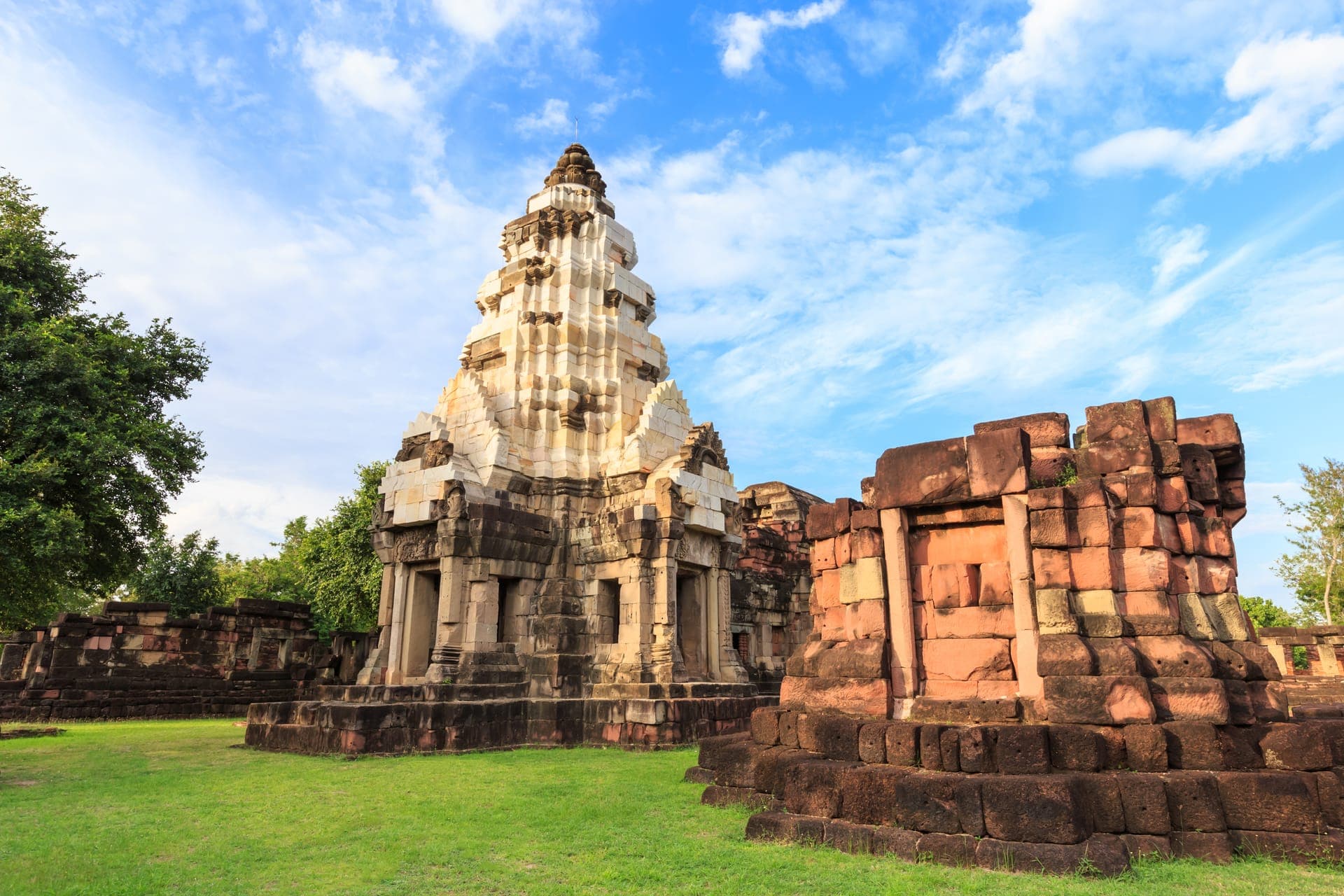
This is the part that blows my mind. Most people go to Cambodia for ancient ruins, but Kedah has the Bujang Valley (Lembah Bujang). We are talking about an civilization that was thriving way back in the 2nd century. That’s older than Angkor Wat and Borobudur.
It’s an archaeological site scattered with Hindu-Buddhist temples (candis). Now, don't expect massive towering structures like in Angkor. These are smaller, mostly the foundations, but the history is heavy here. It was a massive iron smelting center back in the day. The onsite museum is decent, and it sits right at the foot of the mountain. It’s definitely one of the hidden places in kedah because you’ll rarely see tour buses here. It’s quiet, surrounded by jungle, and feels like a proper discovery.
Gunung Jerai: The Mountain Retreat
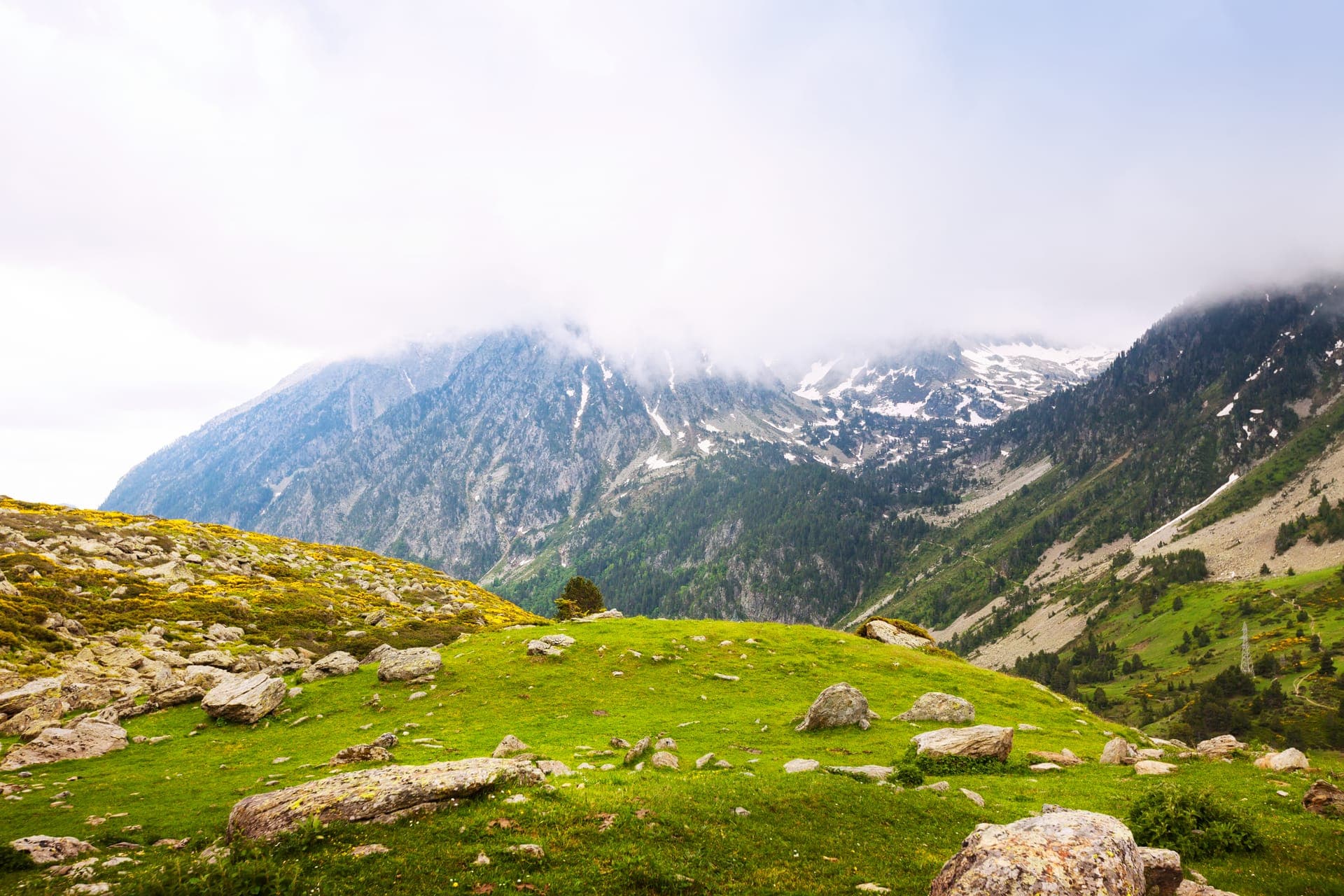
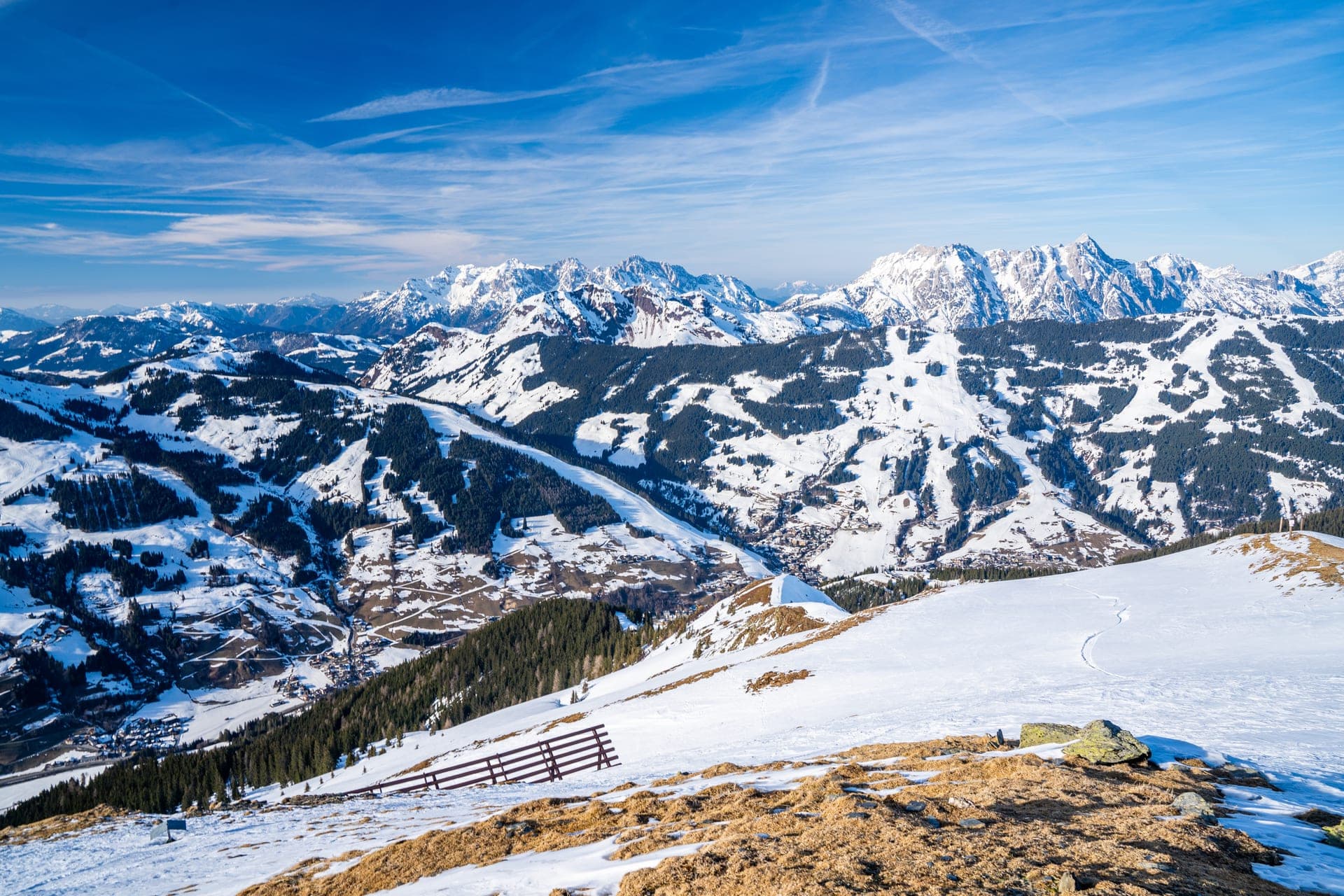
From almost anywhere in the flatlands of Kedah, you can see Gunung Jerai. It’s this massive limestone peak rising 1,200 meters straight up from the coast. Back in the ancient days, traders used it as a navigational landmark.
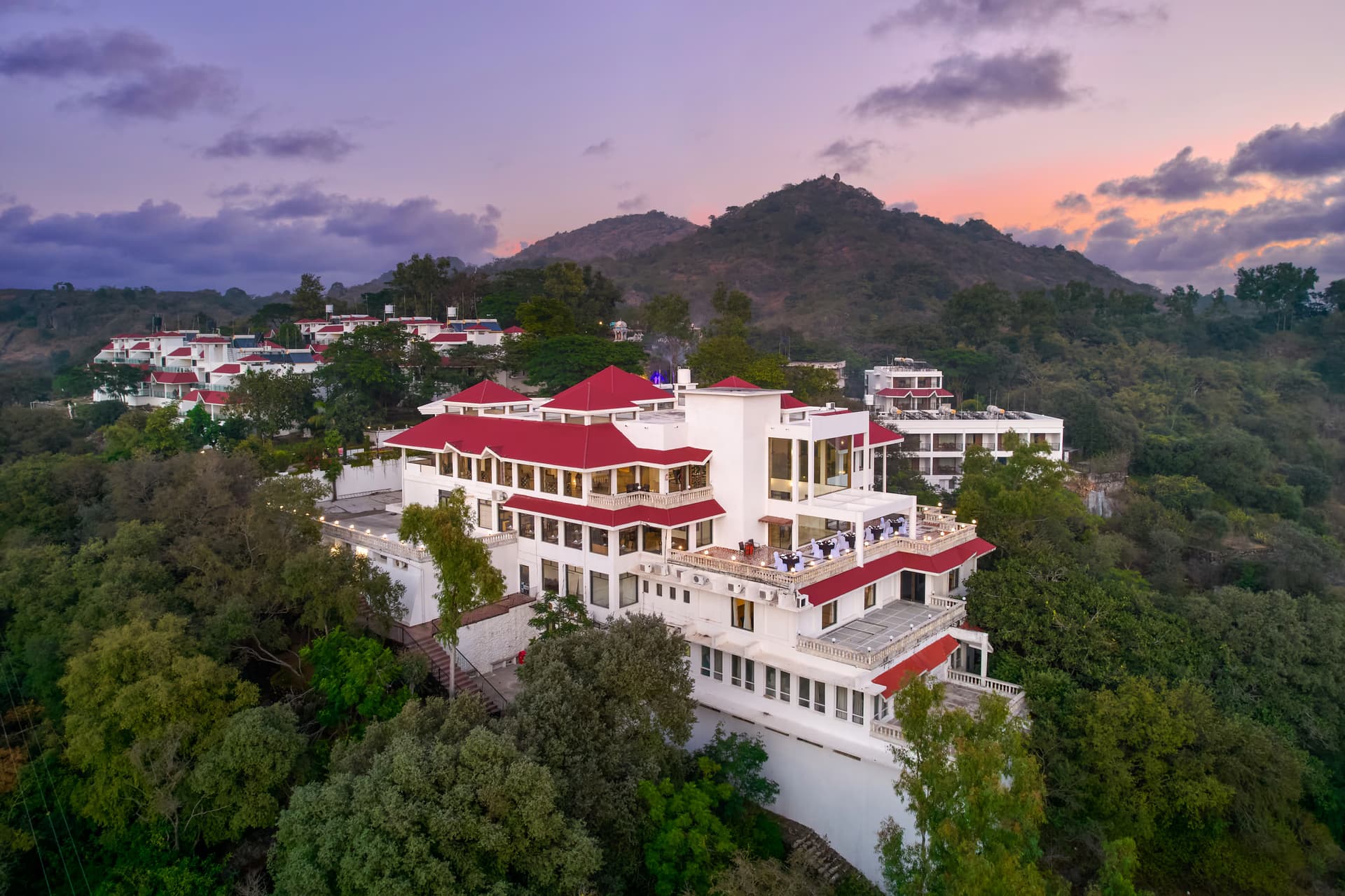
Today, you can drive all the way to the top. The road is steep and winding—seriously, make sure your brakes are good—but the view from the top is killer. The temperature drops significantly up there, so it’s a nice break from the humidity. There’s a resort at the top where you can grab coffee and look out over the rice fields meeting the sea. If you are putting together a kedah sightseeing itinerary, put this in the afternoon slot so you can catch the sunset.
Let's Talk Food (Important!)
You cannot write a kedah travel guide for tourists without talking about Laksa. Laksa Kedah is not like the curry laksa you get in KL. It uses a fish-based broth that is sour, spicy, and thick with pulverized mackerel. It uses rice noodles and is topped with cucumber, onions, and lots of chilies.
It’s intense. It’s funky. And it’s delicious. You can find it everywhere, but the roadside stalls usually do it best. Another staple is Nasi Daging (beef rice) served with a dark, sour dipping sauce called Air Asam. It’s comfort food at its finest.
Family Fun and Nature
If you have kids and are looking for family friendly attractions in kedah, check out Fantasia AquaPark in Jitra. It’s not Disney World, but it’s cheap, fun, and a great way to cool down.
For the nature lovers who want to go totally off-grid, look into Ulu Muda Eco Park. This is deep jungle territory. You have to take a boat up the river to get there. It’s a hotspot for birdwatching and spotting wild elephants. It takes some effort to organize a trip there, but it’s real wilderness.
When to Go?
The best time to visit kedah depends on what you want to see. If you want those bright green paddy photo ops, aim for May to June. If you want to see the golden harvest, go in December or January. Just try to avoid the monsoon transition months (October/November) because it can rain heavily in the afternoons, which might mess up your hiking plans at Gunung Jerai.
Getting Around
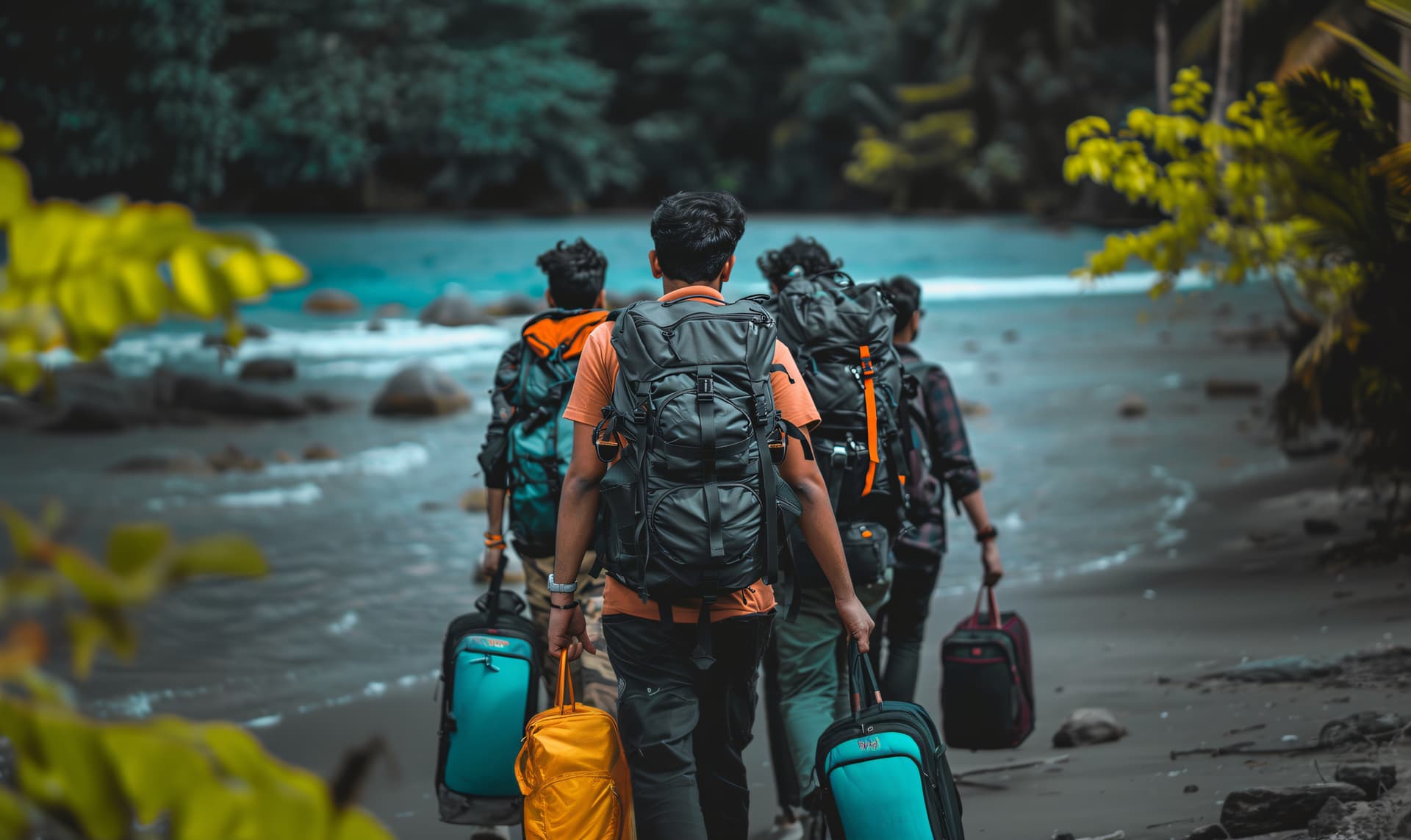
Public transport inside the cities is okay, but to really see the spread-out attractions like Bujang Valley or the random scenic paddy fields, you need a car. Renting a car gives you the freedom to stop whenever you see a cool village or a fruit stall selling cheap mangoes. The roads are generally flat and in good condition, so driving here is pretty stress-free compared to KL.
So, look, by all means, go to Langkawi. But spend two or three days on the mainland first. Eat the spicy food, climb the mountain, and soak up the history. Kedah has a lot more going on than people give it credit for.